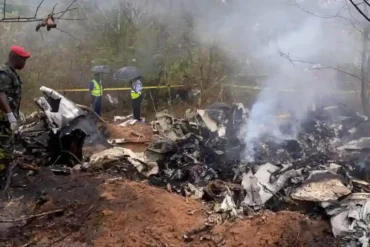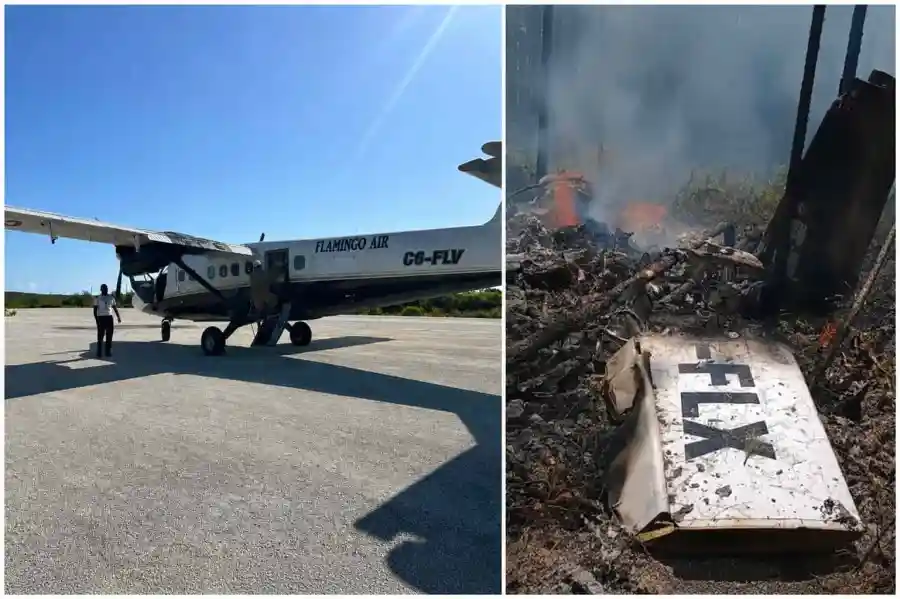
Bahamian regional airline Flamingo Air has been grounded after one of its Cessna 402C aircraft crashed on July 10, killing all ten people onboard. The Civil Aviation Authority Bahamas suspended the airline’s Air Operators Certificate (AOC) as a precautionary measure while investigators work to determine the cause of the accident.
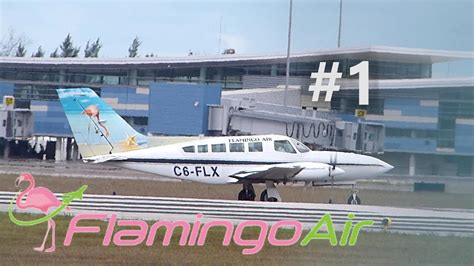
The aircraft, registered as C6-FLX, was operating a short domestic flight from Nassau to San Andros when it crashed into bushland in North Andros. Although initial reports indicated that one person survived the impact, the survivor later died from injuries sustained in the accident. Authorities have not yet released the names of the victims as families continue to be notified.
Investigation Begins After Bahamas’ Deadliest Aviation Accident
The crash has become the deadliest aviation accident in Bahamian history, prompting a major investigation involving aviation authorities and government officials. The suspension of Flamingo Air’s operating certificate does not indicate that the airline has permanently ceased operations, but it prevents flights from continuing until regulators complete their safety review.
The Bahamian Ministry of Energy, Utilities and Aviation described the decision as a necessary safety action to allow investigators to examine the circumstances surrounding the accident. Officials will review aircraft maintenance records, pilot information, operational procedures, and possible mechanical or environmental factors that may have contributed to the crash.
Prime Minister Philip Brave Davis expressed condolences to the families affected, describing the incident as a national tragedy. The crash has deeply affected the local aviation community, where small regional airlines play an essential role connecting the many islands that make up The Bahamas.
A Short Flight That Ended in Tragedy
The ill-fated flight was expected to be a routine journey between two Bahamian islands. The route from Nassau to San Andros normally takes approximately 15 minutes, covering around 36 miles (58 kilometers) across the Tongue of the Ocean, a deep marine trench separating New Providence and Andros.
Flight tracking information showed that the aircraft departed Nassau at approximately 12:31 PM and was scheduled to arrive in San Andros around 12:46 PM. However, the aircraft never reached its destination and went down in the wooded area of North Andros.
The short duration of the flight highlights how quickly conditions can change during regional aviation operations. Investigators will examine the aircraft’s final moments, including communications with air traffic control, flight path data, and any reports of problems before the crash.
Flamingo Air Fleet Grounded Following Multiple Incidents
The fatal Cessna 402 crash was not the only operational issue Flamingo Air faced on the same day. Another aircraft operated by the airline, a Beech 99, reportedly experienced mechanical problems during a flight to Mayaguana and was forced to return to Nassau.
After landing, reports indicated that the aircraft was involved in a fire incident. The combination of two separate events within the same day increased concerns and contributed to the regulator’s decision to suspend the airline’s operations while conducting a broader safety assessment.
Flamingo Air operates a small fleet consisting of seven aircraft, including four Beech 99 aircraft, one DHC-6-200 Twin Otter, and two Cessna 402 aircraft. The airline provides scheduled passenger services between Bahamian islands as well as charter flights within The Bahamas and to destinations in Florida.

Cessna 402 Remains a Popular Regional Aircraft
The aircraft involved in the accident was a Cessna 402C, a lightweight twin-engine aircraft widely used for commuter and regional aviation. The type was originally certified in 1966 and became popular among airlines operating short routes because of its reliability, flexibility, and ability to serve smaller airports.
The Cessna 402C variant features improvements including a higher takeoff weight, longer wingspan, hydraulic landing gear, and Continental TSIO-520-VB engines producing 325 horsepower each. The non-pressurized aircraft can typically carry up to nine passengers along with one pilot.
For many island nations, aircraft such as the Cessna 402 remain an important part of transportation networks because they can operate efficiently between airports that cannot support larger commercial aircraft.
Authorities Continue Searching for Answers
The investigation into the Flamingo Air crash will determine whether the accident was caused by mechanical failure, operational issues, weather conditions, pilot factors, or another contributing element. Until investigators complete their findings, Flamingo Air’s aircraft will remain grounded.
The airline has stated that it is cooperating fully with authorities and gathering information about the incident. As the investigation continues, attention will remain focused on improving aviation safety standards and understanding what led to the tragic loss of ten lives.
For The Bahamas, the crash represents a painful reminder of the challenges faced by regional aviation operators that connect remote communities across the islands. The final investigation report will be critical in preventing similar tragedies in the future.