Why Aircraft Need Cabin Pressurization at Extreme Altitudes
Modern commercial aircraft spend most of their cruising time between 30,000 and 40,000 feet above the ground, where the atmosphere is dramatically different from the environment humans experience on Earth. Flying at these altitudes allows aircraft to operate more efficiently because the thinner air reduces aerodynamic drag and improves fuel economy. However, the same thin atmosphere that benefits aircraft performance creates a serious survival problem for passengers and crew.
At 40,000 feet, the outside air pressure is only a small fraction of what exists at sea level. The amount of oxygen available is far too low for the human body to function normally. An unprotected person exposed to this environment would quickly experience hypoxia, a dangerous condition where body tissues do not receive enough oxygen. Within seconds, judgment becomes impaired, coordination disappears, and consciousness can be lost.
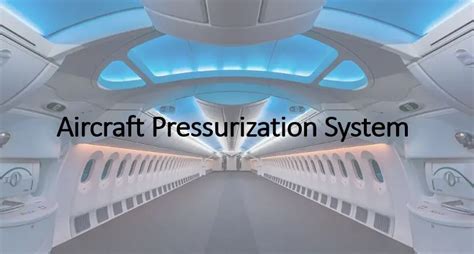
The solution is one of the most important engineering achievements in aviation history: cabin pressurization. This technology creates an artificial environment inside the aircraft, allowing passengers to breathe comfortably even while the airplane flies through an environment that would otherwise be fatal.
Instead of matching the extreme outside altitude, aircraft designers create a controlled cabin altitude, usually equivalent to approximately 6,000 to 8,000 feet above sea level. This means passengers are not actually breathing sea-level air, but the pressure is high enough to provide a safe amount of oxygen for normal human activity.
Cabin pressurization is not simply about adding air into the aircraft. It is a carefully balanced system that continuously controls airflow, pressure levels, temperature, and structural forces. Every second of a high-altitude flight depends on this invisible technology working correctly.
How Aircraft Cabin Pressurization Systems Work
An aircraft cabin is designed as a sealed pressure vessel. The fuselage structure must withstand the constant difference between the pressure inside the cabin and the extremely low pressure outside the aircraft.
During normal flight, the aircraft constantly receives fresh compressed air while carefully releasing excess air. The balance between these two actions creates the comfortable environment passengers experience inside the cabin.
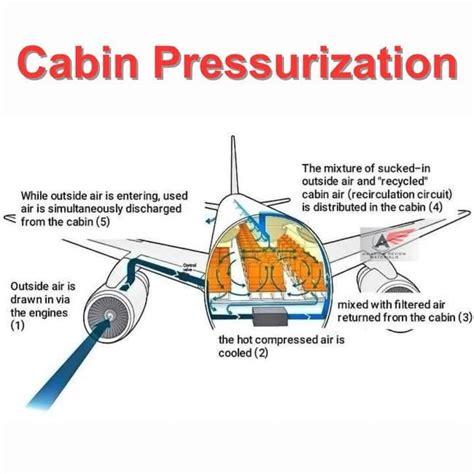
Most traditional jet aircraft use a system based on engine bleed air. During engine operation, air is taken from the compressor stages of the engines. This air is extremely hot and highly compressed, so it must pass through the aircraft’s environmental control system before entering the passenger cabin.
The process involves several stages:
- Compressed air is extracted from the engines.
- The air is cooled and regulated through air conditioning systems.
- Filters and control systems prepare the air for cabin use.
- Fresh air enters the cabin at a controlled rate.
- Excess air leaves through the outflow valve.
The key component controlling cabin pressure is the outflow valve. This valve acts like a carefully managed door between the aircraft interior and the outside atmosphere. It does not simply open or close. Instead, it constantly adjusts its position to maintain the desired cabin pressure.
As the aircraft climbs, the pressurization system gradually reduces cabin pressure to simulate a higher altitude environment while keeping the cabin comfortable. The change is slow enough that passengers usually notice only minor effects, such as ear pressure changes during takeoff and landing.
The Role of Outflow Valves and Pressure Monitoring
Maintaining cabin pressure requires precise monitoring because the aircraft structure has limits. Too much pressure difference between the inside and outside of the fuselage could place excessive stress on the aircraft body.
Aircraft systems continuously monitor several important measurements:
- Cabin altitude — the equivalent altitude passengers experience inside the aircraft.
- Cabin rate of climb or descent — how quickly cabin pressure changes.
- Differential pressure — the difference between cabin pressure and outside atmospheric pressure.
The aircraft’s pressurization computers automatically manage these factors, but pilots closely monitor the system throughout every flight.
The maximum cruising altitude of an aircraft is partly determined by how much pressure difference the fuselage can safely handle. As an aircraft climbs higher, the outside air becomes thinner, increasing the pressure load on the aircraft structure.
When the aircraft reaches its designed pressure limit, the system maintains that differential pressure while allowing the cabin altitude to continue changing slightly. This careful balance ensures both passenger comfort and structural safety.
A safety valve provides additional protection. If cabin pressure becomes too high or abnormal conditions occur, the valve prevents dangerous pressure buildup. It can also allow pilots to manually release cabin pressure when required during certain emergency procedures.
What Happens During a Loss of Cabin Pressure
A failure of cabin pressurization at high altitude is one of aviation’s most serious emergencies. Without cabin pressure, the aircraft environment can quickly become dangerous.
A decompression event can happen in two main ways: rapid decompression and slow decompression.
Rapid decompression occurs when cabin air escapes suddenly. This may happen because of structural damage, a damaged window, a door failure, or another major breach in the fuselage.
Passengers may experience several warning signs:
- A loud bang or explosive sound.
- A sudden rush of air.
- Fog or mist appearing inside the cabin.
- A rapid temperature decrease.
- Difficulty communicating because of noise and airflow.
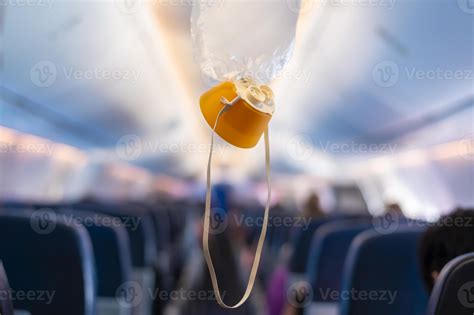
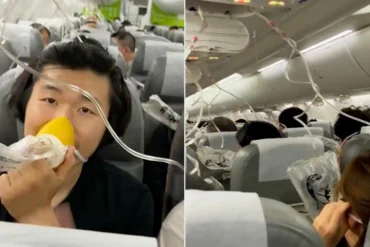
When cabin altitude reaches approximately 14,000 feet, passenger oxygen masks automatically deploy. This system is designed because humans may have only a very short amount of useful decision-making time at extreme altitudes.
At around 35,000 feet, the time of useful consciousness after a sudden decompression may be only 15 to 60 seconds, depending on individual conditions. This means passengers must immediately put on their oxygen masks rather than waiting for instructions or helping others first.
Slow decompression is more difficult to recognize because the loss of pressure happens gradually. It can result from a damaged seal, a small crack, or a malfunctioning pressurization component.
Signs of slow decompression may include:
- Ear discomfort.
- Unusual sounds such as whistling.
- Increasing fatigue or confusion.
- Oxygen masks deploying unexpectedly.
Because slow decompression can develop unnoticed, aircraft systems are designed to detect abnormal pressure changes before conditions become dangerous.
Why Hypoxia Is the Biggest Danger Without Cabin Pressure
The greatest threat during depressurization is not cold temperatures or the lack of air movement. It is oxygen deprivation, known as hypoxia.
At high altitude, the problem is not that oxygen disappears completely. Instead, the atmospheric pressure becomes too low for the lungs to effectively transfer enough oxygen into the bloodstream.
The human body depends on oxygen reaching the brain and organs. When oxygen levels drop, the first effects often involve mental performance rather than physical discomfort.
A person experiencing hypoxia may suffer from:
- Confusion.
- Poor decision-making.
- Reduced coordination.
- Euphoria or unusual confidence.
- Loss of consciousness.
One of the most dangerous aspects of hypoxia is that victims may not realize they are becoming impaired. Unlike pain or injury, oxygen deprivation can quietly reduce a person’s ability to recognize danger.
This is why aviation procedures emphasize immediate oxygen mask use. A few seconds of delay can determine whether someone remains capable of responding during an emergency.
Real Aviation Accidents That Show the Importance of Pressurization
Several aviation accidents throughout history have demonstrated why cabin pressurization systems and emergency procedures are essential.
In 2005, a Helios Airways Boeing 737-300 crashed near Athens, Greece, after a pressurization failure. A maintenance procedure left the aircraft’s pressurization system incorrectly configured, and the problem was not detected during flight checks. As the aircraft climbed, the cabin altitude increased, causing the pilots and passengers to become incapacitated because of hypoxia.
The aircraft continued flying under autopilot control until fuel exhaustion. The accident became a major reminder of the importance of pressurization monitoring, checklist discipline, and crew awareness.
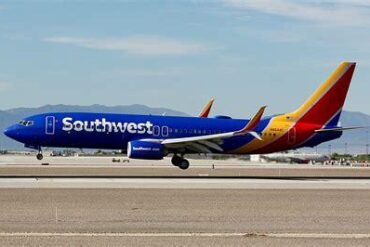
Another example occurred in 2018 when a Southwest Airlines Boeing 737 experienced a rapid decompression after engine debris damaged the aircraft fuselage during flight. The crew performed an emergency descent and successfully landed the aircraft, although one passenger died.
These events show that pressurization systems are not merely comfort features. They are life-support systems that protect everyone onboard.
How the Boeing 787 Changed Cabin Pressurization Technology
The Boeing 787 Dreamliner introduced one of the biggest changes in aircraft cabin pressurization technology in decades.
Traditional aircraft rely heavily on engine bleed air, but the 787 uses a bleedless architecture. Instead of taking compressed air directly from the engines, the aircraft uses electrically powered compressors to provide cabin air.
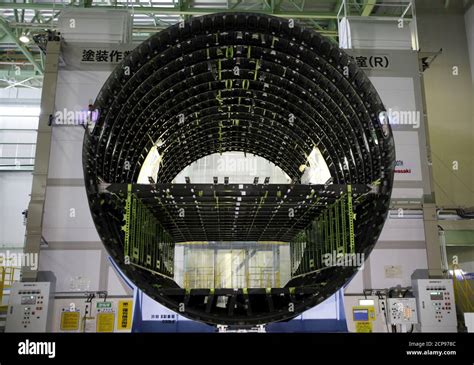
This design became possible because the 787 uses a large amount of carbon fiber composite material in its fuselage. The stronger structure allows the aircraft to maintain a lower cabin altitude compared with many traditional aluminum aircraft.
While many aircraft maintain a cabin altitude of approximately 8,000 feet, the Boeing 787 can maintain around 6,000 feet during cruise.
This difference may appear small, but it improves passenger comfort. Higher cabin pressure means more oxygen reaches the bloodstream, which can reduce fatigue, headaches, and discomfort during long flights.
The Dreamliner also provides higher cabin humidity and continuously refreshes cabin air, creating a more comfortable environment on long-distance routes.
The Future of Aircraft Cabin Pressure Systems
As aircraft continue to evolve, cabin pressurization technology will remain a major focus of aviation engineering. Future aircraft designs aim to improve passenger comfort while reducing energy consumption and maintenance requirements.
Advanced materials, smarter sensors, and automated pressure management systems will allow aircraft to fly higher and farther while maintaining safe cabin environments.
From the first pressurized airliners to modern composite aircraft like the Boeing 787, cabin pressurization has transformed aviation. It has made long-distance air travel possible by creating a small, controlled atmosphere inside a machine traveling through one of the most hostile environments on Earth.
At 40,000 feet, the outside world is nearly impossible for humans to survive. Inside an aircraft cabin, however, carefully engineered systems quietly maintain the air pressure that keeps millions of passengers alive every day.