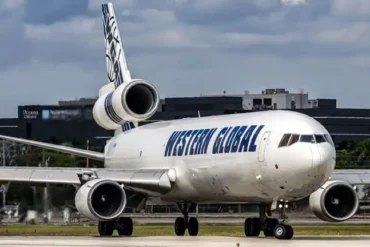
The aviation industry has a habit of quietly retiring its legends. Aircraft fade out, replaced by quieter engines, lighter materials, and more efficient designs. The McDonnell Douglas MD-11 was supposed to follow that script—phased out, respectfully remembered, and ultimately replaced. Instead, it has become something far more unusual: a critical asset that one of the world’s largest cargo carriers refuses to let go.
When a catastrophic crash involving a UPS MD-11 in late 2025 triggered a global grounding, the industry braced for the aircraft’s final chapter. Most operators didn’t hesitate. They exited. They wrote off costs. They moved on. But FedEx made a very different bet—one that involved hundreds of millions of dollars, operational risk, and a clear signal that the MD-11 still solves a problem no modern aircraft has fully replaced.
This isn’t nostalgia. It’s strategy.
A Crash That Should Have Ended the MD-11 Era
The turning point came abruptly. A UPS-operated MD-11 freighter crashed shortly after takeoff from Louisville, never climbing beyond a few dozen feet before disaster struck. The cause—fatigue cracks in the engine pylon structure—was both technical and deeply unsettling. It exposed vulnerabilities in an aging airframe that had already been under scrutiny for years.
Regulators moved fast. The FAA issued an Emergency Airworthiness Directive, grounding every MD-11 worldwide. Overnight, a slow retirement process became an industry-wide freeze.
Most carriers saw clarity in the chaos. The aircraft was old. Production had ended in 2000. Passenger service had vanished years earlier. The crash didn’t just raise safety questions—it accelerated a conclusion the industry had already reached.
Except FedEx didn’t see it that way.
UPS Walks Away—FedEx Doubles Down
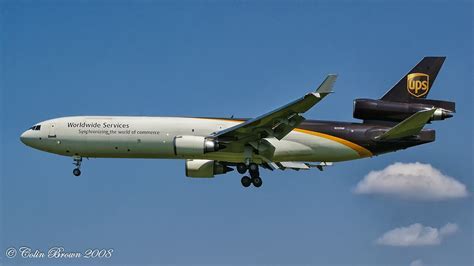
UPS acted decisively. Within weeks, it retired its entire fleet of 27 MD-11 freighters, absorbing a significant financial hit but eliminating long-term uncertainty. The decision aligned with its existing fleet strategy and future aircraft orders.
FedEx, however, chose the harder road.
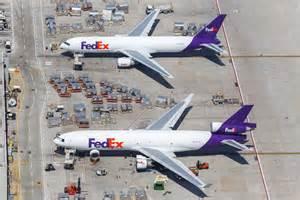
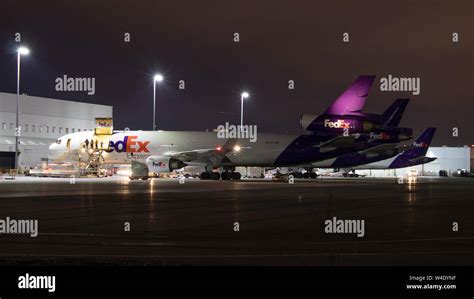
Instead of retiring its roughly 28 MD-11s, the company committed to returning every aircraft to service. That decision came at a steep cost—approximately $175 million in just five months. The grounding forced FedEx to scramble for replacement capacity, leaning heavily on partner airlines and even ground transport to maintain delivery commitments during peak shipping season.
The financial strain was immediate and measurable. Tens of millions were lost in a single month, followed by continued operational pressure across subsequent quarters. Yet despite the cost, FedEx stayed the course.
That choice wasn’t stubbornness. It was rooted in a simple reality: removing the MD-11 created a capability gap that no existing aircraft could easily fill.
The Hidden Advantage FedEx Had All Along
One critical detail separates FedEx from other operators—and it explains why its decision, while expensive, was still viable.
Back in 2011, Boeing had identified potential issues with the MD-11’s engine pylon structure. At the time, the issue wasn’t considered severe enough to mandate action. Operators could choose whether to implement modifications.
FedEx chose to act. UPS did not.
That earlier investment turned out to be pivotal. When the grounding occurred, FedEx’s fleet was already closer to compliance with updated safety expectations. The path back to service, while still complex, was shorter, clearer, and ultimately more defensible.
In aviation, timing matters. So does foresight. FedEx had both.
Why the MD-11 Still Matters in 2026
To understand why FedEx is willing to spend nine figures to keep the MD-11 alive, it helps to look beyond age and focus on capability.
The MD-11 occupies a very specific niche in the cargo world:
- It can carry around 92 metric tonnes of freight
- It sits between mid-size freighters like the Boeing 767F and heavy-lift giants like the 777F
- It offers a balance of range, payload, and cargo flexibility that few aircraft match
This positioning isn’t accidental—it’s incredibly useful.
For FedEx, the MD-11 acts as a bridge aircraft, handling routes that are too demanding for smaller jets but don’t justify deploying the largest, most expensive freighters.
A Freighter That Fits Where Others Don’t
Modern cargo operations are not just about moving weight—they’re about moving the right cargo, in the right configuration, across the right distances.
The MD-11 excels in several areas that remain difficult to replicate:
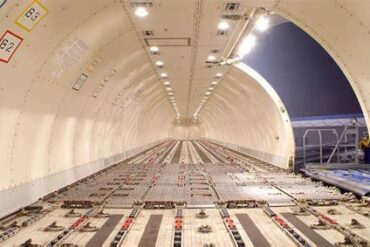
Its main deck cargo door accommodates oversized freight that other aircraft struggle with. Industrial equipment, irregularly shaped cargo, and high-volume shipments all benefit from this flexibility.
Its range and payload combination makes it ideal for long-haul routes, particularly across the Asia-Pacific and Asia-Europe corridors, where demand is high and margins depend on efficient load balancing.
And then there’s its trijet design—a feature that may seem outdated but still offers operational advantages in certain scenarios. While twin-engine aircraft dominate modern aviation, the MD-11’s three-engine configuration provides additional routing flexibility on specific long-distance flights.
In short, the MD-11 isn’t just another freighter. It’s a specialist tool—and removing it leaves a gap.
The Replacement Problem No One Talks About Enough
Here’s the uncomfortable truth: the aviation industry doesn’t currently have a clean replacement for the MD-11.
The Boeing 767F is too small. Replacing one MD-11 requires multiple 767 flights, which means more crews, more fuel cycles, and more logistical complexity.
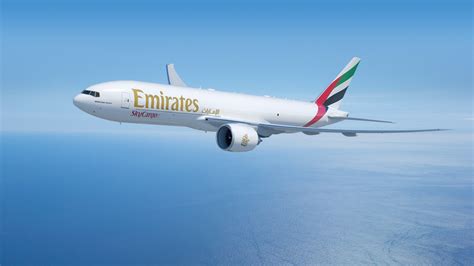
The Boeing 777F is closer in capability but comes with its own challenges. It’s larger, more expensive, and—critically—not available in sufficient numbers.
The Airbus A350F, often positioned as the future of cargo aviation, is still ramping up production and has yet to reach widespread operational deployment.
This creates a bottleneck. Airlines want to modernize, but they can’t get aircraft fast enough to do it without sacrificing capacity.
FedEx isn’t ignoring the future. It simply doesn’t have the luxury of waiting for it.
A Supply Chain Crisis That Changed Fleet Strategy
The global supply chain disruptions of recent years didn’t just affect shipping—they reshaped aircraft manufacturing itself.
Production delays, supplier shortages, and labor constraints have slowed the delivery of new widebody freighters. Aircraft that should be arriving today are scheduled years out.
For cargo carriers, this creates a difficult choice:
- Retire older aircraft and accept reduced capacity
- Or keep aging fleets flying while waiting for replacements
FedEx chose the second option—and the MD-11 became the centerpiece of that decision.
In a normal market, the aircraft’s age might have been a dealbreaker. In today’s constrained environment, it’s a manageable compromise.
The Real Cost of Letting the MD-11 Go
The $175 million FedEx spent during the grounding isn’t just a number—it’s a case study.
That cost represents what happens when the MD-11 disappears from the network:
- Expensive outsourced capacity
- Increased reliance on partner airlines
- Operational inefficiencies across long-haul routes
- Reduced flexibility in handling specialized cargo
Put simply, the cost of not having the MD-11 was higher than the cost of keeping it.
That calculation is what ultimately drives fleet decisions—not sentiment, not branding, not even age.
Why FedEx’s Network Is Built Around This Aircraft
FedEx operates one of the most complex logistics networks in the world. Its system isn’t just about aircraft—it’s about precision timing, route optimization, and capacity balancing.
The MD-11 plays a specific role within that system. It connects major hubs, handles peak international demand, and provides a buffer against fluctuations in cargo volume.
Removing it doesn’t just reduce capacity—it disrupts the architecture of the network itself.
And rebuilding that architecture around different aircraft isn’t a quick fix. It requires years of planning, billions in investment, and—most importantly—available aircraft.
Right now, that last piece is missing.
Flying Into the 2030s: A Delayed Goodbye
FedEx has no illusions about the MD-11’s long-term future. The aircraft is expected to be retired in the early 2030s. That timeline hasn’t changed significantly, even after the 2025 crash.
What has changed is the industry’s understanding of how difficult that transition will be.
Between now and retirement, the MD-11 will continue to serve as a workhorse on high-demand international routes. Its return to service restores a level of operational stability that FedEx has spent months trying—and failing—to fully replicate through other means.
New aircraft will eventually take over. Orders for Boeing 777 freighters are already in place. The transition will happen.
Just not yet.
An Aircraft That Refused to Become Obsolete
The MD-11’s story is unusual. It was never the most efficient aircraft. It never dominated passenger markets. Its production run ended relatively early.
And yet, decades later, it remains indispensable.
That’s not because it’s perfect. It’s because it fits a gap that still exists.
In an industry driven by optimization, the MD-11 survives because it solves a problem better than anything else currently available at scale. Until that changes, its role remains secure—no matter how old the airframe becomes.
FedEx isn’t clinging to the past. It’s making a calculated decision based on present realities.
And for now, those realities say the MD-11 still has work to do.