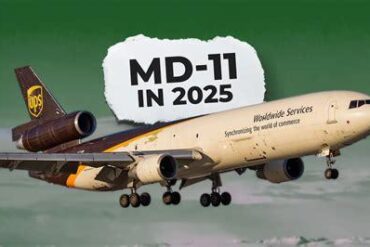
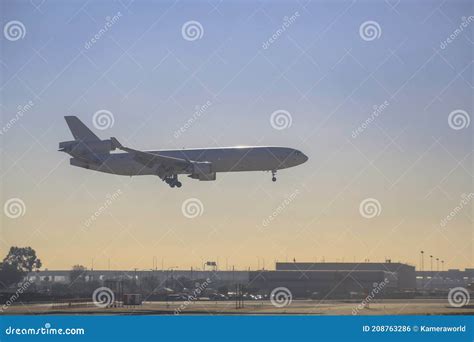
The McDonnell Douglas MD-11 appeared destined for extinction after the catastrophic 2025 UPS Airlines crash that forced regulators to ground the entire US-operated fleet. For months, the once-iconic tri-jet sat idle across cargo ramps in America, fueling speculation that one of aviation’s most recognizable freighters had finally reached the end of its operational life. Instead, the aircraft has staged an unlikely comeback.
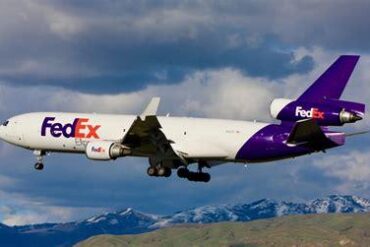
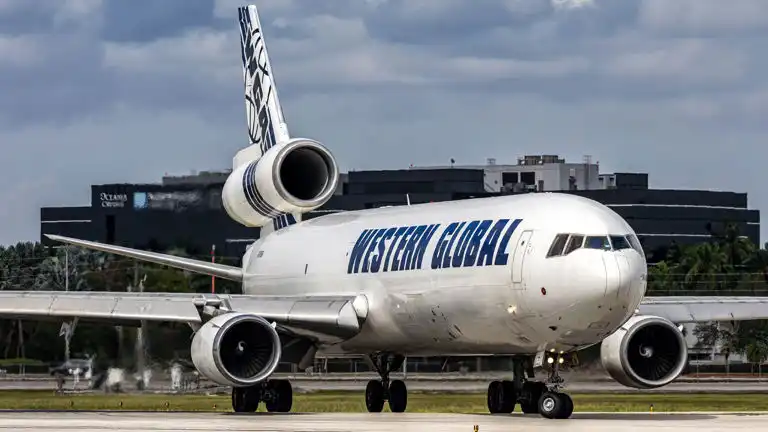
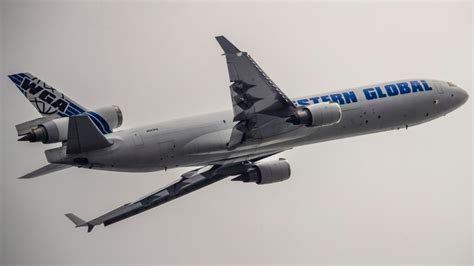
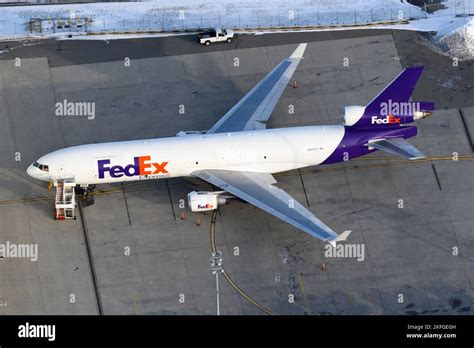
Western Global Airlines officially resumed MD-11F operations on May 21 after the Federal Aviation Administration approved Boeing’s structural inspection and repair program for the aging freighter. The Florida-based cargo airline has now joined FedEx as only the second carrier willing to reactivate the MD-11 following one of the most serious crises in the aircraft’s troubled history.
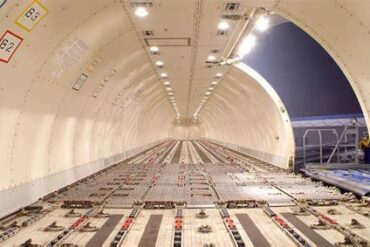
The decision carries enormous significance for the global air cargo market. While most airlines retired passenger variants years ago, the MD-11 continued carving out a specialized role in freight operations thanks to its impressive payload capabilities and long-haul range. Even so, few expected operators to invest heavily in reviving a three-engine aircraft whose production ended more than two decades ago.
Western Global’s return to service demonstrates how difficult it has become for cargo airlines to replace large freighters quickly, especially as global shipping demand continues pressuring fleet availability.
Western Global’s MD-11 Fleet Returns To The Sky
Flight tracking activity first revealed signs of the aircraft’s return earlier this week when aviation observers detected a Western Global MD-11F operating between Fort Myers and Columbus Rickenbacker Airport. The aircraft, registered as N781SN, completed a test flight after remaining parked for months during the FAA grounding order.
The sight of the MD-11 back in motion immediately drew attention throughout the aviation community. Enthusiasts closely monitored the tri-jet’s movements because many industry analysts had predicted Western Global might permanently retire the fleet rather than absorb the enormous costs associated with inspections, modifications, and ongoing maintenance.
That prediction ultimately proved incorrect.
Western Global’s business model remains deeply connected to the MD-11. Unlike larger cargo giants operating diverse fleets across multiple aircraft categories, the airline built much of its international freight network around approximately 15 secondhand MD-11 freighters. The company also operates several Boeing 747-400Fs, but the MD-11 remains the backbone of many routes due to its unique balance of capacity and operating flexibility.
The grounding created substantial operational turmoil inside the airline. Reports emerged suggesting pilots had been furloughed while aircraft sat inactive across parking aprons. For a carrier heavily dependent on one aircraft type, the shutdown represented an existential threat rather than a temporary inconvenience.
Once the FAA approved Boeing’s revised return-to-service protocol, Western Global moved rapidly to restore operations. FedEx restarted flights almost immediately after regulators lifted restrictions, and Western Global soon followed with its own reactivation program.
The Crash That Nearly Destroyed The MD-11 Legacy
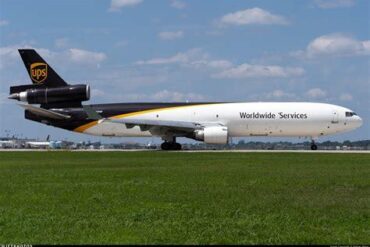
The MD-11 crisis began in November 2025 following the fatal crash of a UPS Airlines freighter near Louisville Muhammad Ali International Airport. During takeoff, investigators determined the aircraft suffered a catastrophic engine separation event linked to structural fatigue cracking within a critical engine pylon support component.
The accident killed 15 people and triggered immediate scrutiny from federal investigators and aircraft engineers.
The National Transportation Safety Board launched an extensive investigation into the structural integrity of the aircraft’s engine attachment system. Boeing engineers spent months analyzing maintenance histories, fatigue data, and wreckage evidence before developing an inspection and repair framework acceptable to regulators.
The FAA responded with a sweeping grounding order affecting every US-operated MD-11 freighter. Although the aircraft had maintained a complicated safety reputation throughout its history, the Louisville accident intensified fears surrounding the long-term viability of aging tri-jet fleets.
For cargo operators, the grounding produced immediate logistical and financial consequences.
FedEx warned investors the loss of its MD-11 fleet could generate operational disruption costs approaching $175 million as the company rushed to substitute aircraft capacity during critical shipping periods. Charter markets tightened rapidly while airlines attempted to secure alternative lift capability.
Western Global faced even greater challenges because of its smaller operational scale and heavier reliance on the type. Without immediate replacements available, portions of its cargo network effectively stalled.
The eventual FAA approval centered around enhanced structural inspection procedures focused specifically on engine pylon attachment areas. Boeing’s repair program introduced new maintenance protocols designed to identify fatigue cracking before it could compromise structural integrity.
The regulator ultimately concluded the aircraft could safely return to service if operators complied fully with the revised maintenance requirements.
Why Airlines Still Need The MD-11
Despite its age, the MD-11 continues filling an important niche in global cargo aviation. The aircraft offers long-range performance and substantial payload capability while maintaining operational flexibility at airports less suited for larger modern freighters.
FedEx currently remains the world’s largest MD-11 operator, retaining roughly 29 aircraft within its fleet. Western Global operates about half that number, making the two companies the final major defenders of a freighter platform many airlines abandoned years ago.
The aircraft’s persistence highlights a major reality inside the cargo industry: replacing freighters is neither simple nor fast.
Modern alternatives such as the Boeing 777F provide superior fuel efficiency, lower operating costs, and stronger long-term economics. Boeing’s future 777-8F is expected to extend those advantages even further. Meanwhile, the Boeing 767F continues dominating medium-capacity cargo operations because of its reliability and manageable operating profile.
Yet production backlogs and delivery delays continue constraining fleet renewal across the aviation industry.
Cargo airlines cannot instantly replace dozens of large freighters, especially during periods of elevated shipping demand. That reality has extended the operational lives of older aircraft once considered obsolete. The MD-11, despite its age and maintenance intensity, still provides valuable cargo capacity that airlines are reluctant to lose prematurely.
For Western Global in particular, retiring the type immediately would likely require a massive capital investment the airline may prefer to delay while cargo markets remain volatile.
The MD-11’s Uncertain Future In Cargo Aviation
Even with its return, the MD-11’s long-term outlook remains limited. Production ended decades ago, spare parts are becoming increasingly specialized, and maintenance costs continue rising as fleets age further.
The aircraft also carries historical baggage.
Originally developed as an advanced successor to the DC-10, the MD-11 entered service during the early 1990s with ambitious performance promises that often proved difficult to achieve in real-world airline operations. Passenger carriers gradually retired the aircraft after newer twin-engine jets delivered better efficiency and lower fuel consumption.
Cargo airlines, however, discovered the MD-11 remained highly effective for freight operations where fuel economics could be balanced against payload flexibility and acquisition cost advantages.
That secondary life has now lasted far longer than many industry observers expected.
Still, the future will eventually belong to twin-engine freighters with superior economics and stronger manufacturer support. Boeing’s expanding freighter lineup continues reshaping the cargo landscape, while environmental pressure and operating costs increasingly challenge older three-engine aircraft.
For now, though, the MD-11 survives.
Its return through FedEx and Western Global represents more than a technical recovery story. It reflects the broader realities of modern cargo aviation, where fleet shortages, high replacement costs, and persistent shipping demand can breathe new life into aircraft many assumed were gone forever.
The unmistakable silhouette of the MD-11 may be operating on borrowed time, but it remains one of the most resilient aircraft ever to carve out a second act in commercial aviation history.