Quang Tri province, a hidden gem in Vietnam, is on the brink of transforming its tourism landscape to gain global recognition. With an extraordinary mix of historical landmarks, unspoiled beaches, and breathtaking landscapes, Quang Tri is not just a destination; it’s a tapestry woven from threads of history, nature, and culture. The region is poised for a dramatic evolution, leveraging its unique offerings to craft a compelling narrative that resonates with both domestic and international travelers.
Tapping Into Vietnam’s Richest Tourism Diversity
Quang Tri is one of Vietnam’s most varied regions, boasting a rich collection of historical sites, sacred landmarks, nature reserves, and picturesque coastal destinations. Despite this wealth of resources, the province’s tourism industry has yet to fully capitalize on its potential. To position itself among Vietnam’s premier destinations, Quang Tri must implement a forward-thinking strategy that harmonizes growth with preservation, innovation with inclusivity, and local engagement with global outreach. This involves creating a cohesive development model that integrates tourism with community development, environmental sustainability, and digital transformation.
A well-rounded approach will allow Quang Tri to evolve beyond a mere heritage site into a vibrant, multifaceted tourism hub. Recent efforts indicate a growing recognition of this need, as stakeholders come together to forge a unified path forward. This strategic pivot is essential not only for economic growth but also for cultural preservation and community empowerment.
Building a Cohesive Tourism Identity
In recent years, both Quang Tri and its neighboring province, Quang Binh, have made notable strides in developing their tourism sectors. However, a lack of regional coordination has hampered branding efforts and slowed overall growth. A more synchronized approach—potentially through administrative collaboration—could allow both provinces to share resources and market themselves effectively.
Creating a clear tourism identity is fundamental to this transformation. While Quang Binh has established itself as a haven for dramatic caves and natural adventures, Quang Tri’s narrative is deeply rooted in history, remembrance, and resilience. By merging these identities into a broader, unified brand, Quang Tri can create a powerful appeal. The proposed theme “From Wilderness to Memory” encapsulates the essence of the region and could resonate with visitors seeking both adventure and introspection.
To support this new identity, a comprehensive branding toolkit is essential. This should include:
- A recognizable logo that embodies the spirit of Quang Tri
- Multilingual digital platforms that cater to diverse audiences
- Travel planning applications that simplify the visitor experience
- Interactive websites featuring engaging content and resources
- Professionally produced promotional media that highlights the province’s unique offerings
Furthermore, data-driven marketing strategies should target key visitor markets, particularly those from Hanoi, Ho Chi Minh City, Europe, the United States, Thailand, and Laos. By understanding and catering to these markets, Quang Tri can position itself as a must-visit destination.
Strategic Investment and Infrastructure Development
Branding alone will not suffice; tangible investment is crucial to bring Quang Tri’s vision to fruition. Focused development in strategic tourism zones promises significantly greater results than scattered projects. A proposed division of the province into tourism clusters offers a roadmap for targeted growth:
- Eco-Nature Cluster (North): Stretching across destinations like Phong Nha, My Thuy Beach, and Con Co Island, this zone can cater to luxury resorts, adventure tourism, and eco-sports.
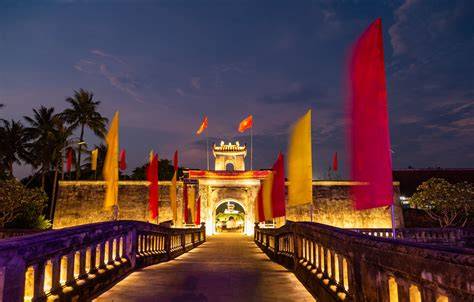
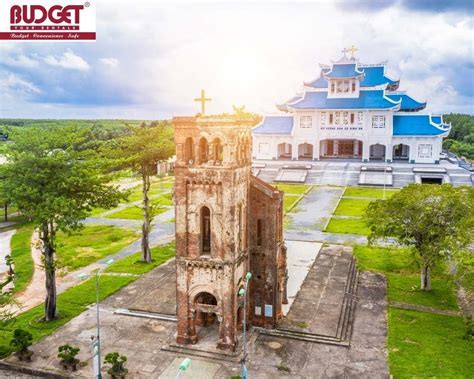
- Heritage and Spiritual Cluster (East-West): Centered on sites such as the Quang Tri Citadel, La Vang Church, and historical battlefields, this zone can develop thematic travel experiences focused on cultural remembrance and education.
- Adventure and Border Cluster (Southwest): Encompassing the Dakrong and Huong Hoa districts, this zone holds potential for mountain trekking, cultural village stays, and cross-border tourism with Laos.
Beyond zoning, there is a critical need to strengthen physical infrastructure, including airports, seaports, and highways. Additionally, enhancing digital tools for travel planning and tourism management will improve overall visitor experiences. These investments must align with a compelling destination theme such as “Land of Peace and Rebirth,” evoking emotional connections and fostering long-term brand recall.
Elevating Human Capital and Innovation
A thriving tourism sector requires capable, well-trained personnel. Currently, Quang Tri faces significant challenges related to human resources, particularly a shortage of skilled guides, hospitality workers, and digital-savvy professionals. Closing this gap is essential for sustaining tourism growth. Partnerships with educational institutions can facilitate the launch of specialized training programs in areas such as tour guiding, event coordination, storytelling, and digital communication.
Additionally, local communities should be encouraged to engage in community-based tourism, including homestays, traditional craft production, and culinary tourism. These initiatives not only enhance authenticity but also foster local engagement and economic empowerment. Furthermore, embracing innovation through experimental tourism offerings—such as ziplines, cliffside trails, sky bridges, and elevated camping sites—can attract a wider audience and enhance the visitor experience. Clear legal frameworks will support these developments while ensuring safety and environmental integrity.
Digital Transformation and Future Planning
As Quang Tri looks toward the future, integrating smart tourism solutions into its development plan is paramount. A robust digital ecosystem powered by big data, integrated platforms, and mobile-friendly services can connect tourists, businesses, and government stakeholders in real time. This connectivity improves planning, feedback, and resource allocation, ultimately enhancing the overall tourism experience.
Efforts are already underway to finalize the province’s long-term tourism master plan through 2040. The vision is clear: elevate Quang Tri as a leading destination for historical, ecological, and island tourism in Vietnam’s central region. To achieve this ambitious goal, the province aims to attract significant domestic and international investments while building a destination brand rooted in sustainability, culture, and innovation.
A Bold Vision for Tomorrow
Quang Tri has declared tourism as one of its three foundational sectors for economic development. This strategy transcends superficial changes; it represents a reimagining of the province through a lens of resilience, connection, and creativity. If guided correctly, tourism will not only showcase Quang Tri’s beauty and legacy to the world but will also uplift its communities and inspire future generations.
With the right policies, infrastructure, investment, and human capital, Quang Tri is poised to rise as a dynamic, sustainable, and globally admired destination—where travelers come not just to visit but to remember, discover, and connect. As the province embarks on this exciting journey, it stands at the threshold of a new era in tourism, ready to embrace the world and share its rich heritage with a global audience.