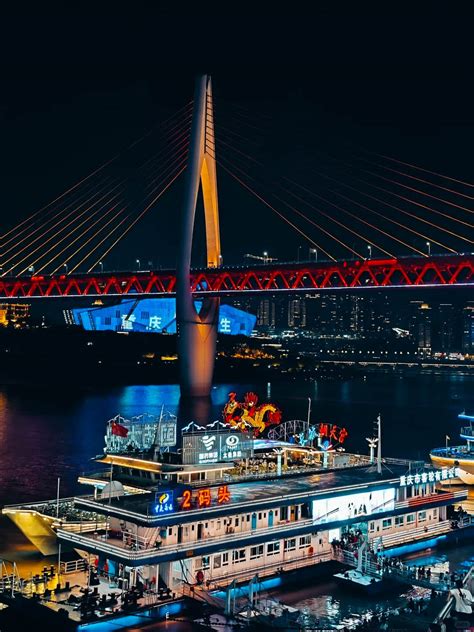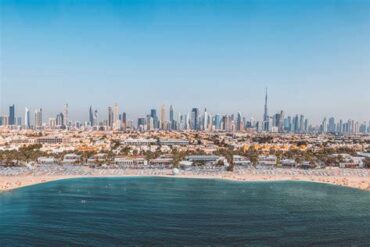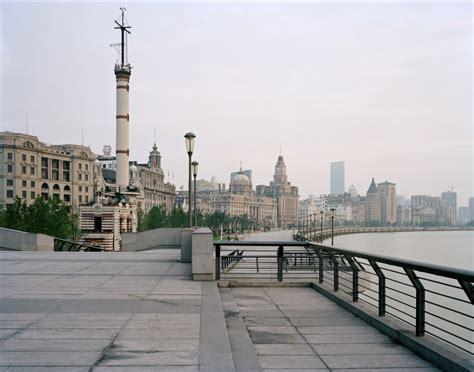
China’s Ministry of Transport (MOT) has unveiled an ambitious and transformative tourism initiative featuring 36 new “golden waterway tourism routes” that traverse 23 provinces and cities. This strategic expansion is part of China’s broader effort to rejuvenate domestic and international travel following the post-pandemic recovery, while repositioning the country as a top-tier global tourism destination. These routes are not merely scenic tours—they are a deliberate blend of urban vibrancy, natural beauty, and profound cultural heritage.
The initiative integrates majestic rivers, historic canals, and shimmering coastal waters, transforming them into dynamic corridors of exploration. From the mighty Yangtze River to the historic stretches of the Grand Canal, each route is designed to narrate China’s past while presenting its modern capabilities.
Waterway Tourism as a National Development Strategy
This sweeping tourism infrastructure plan is not a standalone project. It aligns with China’s nationwide strategy to stimulate regional economies, foster sustainable tourism, and improve the quality of travel experiences across all tiers of society. By upgrading port services, building eco-conscious infrastructure, and enhancing terminal facilities, China is positioning waterways as essential assets in its tourism arsenal.
The MOT’s plan is deeply infrastructural:
- Passenger terminals are being modernized to international standards.
- Port services are being streamlined for efficiency and comfort.
- Navigation and signage systems are being installed to improve accessibility.
- Green transport integration is being piloted to ensure eco-friendly transit between docking areas and city centers.
This commitment reflects the government’s goal to encourage not just movement—but meaningful, immersive, and comfortable travel.
Blending Culture and Scenery Along Historic Rivers
The golden waterway initiative is a celebration of China’s layered identity, weaving its natural wonders with its 5,000-year history. Prominent rivers such as the Pearl River, Yangtze, and Songhua are the main arteries of this initiative, flanked by historically significant landmarks, ancient towns, and World Heritage Sites. Each route is curated to tell a regional story—some steeped in dynastic grandeur, others in revolutionary significance.
Key examples include:
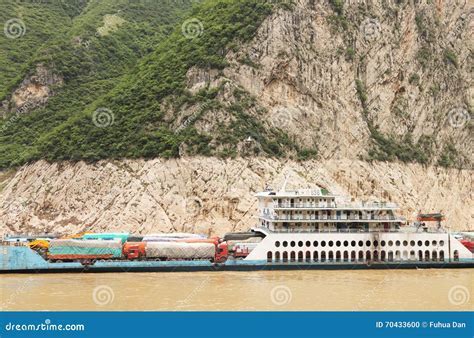
- The Yangtze River Cruise from Chongqing to Yichang, revealing the awe-inspiring Three Gorges and its dam—one of the largest infrastructure projects on Earth.
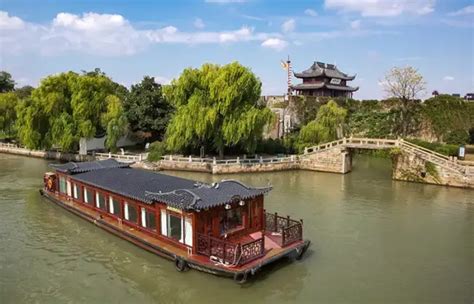
- The Beijing-Hangzhou Grand Canal Route, lined with ancient water towns such as Wuzhen and Tongli, preserving architecture from the Ming and Qing dynasties.
- The Zhujiang (Pearl River) Delta Path, showcasing the megacities of Guangzhou and Shenzhen while floating past futuristic skyline silhouettes.
Red Tourism and Revolutionary Heritage Sites
Beyond nature and architecture, the program gives a prominent role to “red tourism”—an increasingly popular genre that promotes sites tied to the Chinese Communist Party’s revolutionary history. These locations serve as both educational and patriotic attractions, aiming to cultivate civic pride while preserving legacy.
Notable routes include:
- The Yan’an Red River Route in Shaanxi Province, offering insight into Mao Zedong’s wartime headquarters.
- The Jinggangshan Water Trail in Jiangxi, known as the birthplace of the Red Army.
These additions further diversify the waterway experience by offering ideological depth alongside visual splendor.
Economic Empowerment Through Rural Tourism
Integral to the initiative is the revitalization of rural communities. By redirecting tourist flows into lesser-known inland regions, China is creating new economic lifelines for countryside economies that have historically remained peripheral to tourism income. Travelers will have the opportunity to explore idyllic agrarian villages, sample regional cuisines, and partake in local cultural festivals.
Areas benefiting from this rural spotlight include:
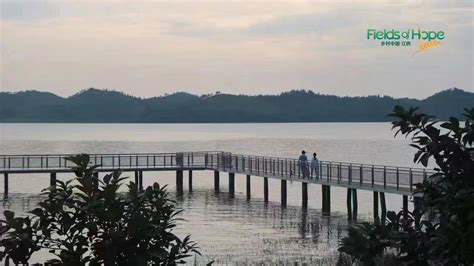
- Poyang Lake Basin in Jiangxi, known for its wetlands and biodiversity.
- Qiandao Lake in Zhejiang, a man-made reservoir of 1,078 islands with surrounding tea-growing communities.
These routes not only boost the local economy but also promote environmental awareness and cultural preservation, ensuring that tourism does not come at the cost of authenticity.
Tourism Safety Upgrades Tailored to Each Route
With an eye on safety, the Ministry has introduced customized protocols to fit the unique characteristics of each route. These protocols cover:
- Enhanced onboard emergency response systems
- Life-saving equipment at key points along the journey
- Real-time weather monitoring systems to prevent navigation accidents
- Crew training specific to water-based emergencies and crowd management
Each of the 36 routes is subject to a precision safety framework, acknowledging that the topography and risks of each water body differ greatly. This granular approach underscores the seriousness with which the MOT is managing safety in tandem with tourism promotion.
Festival Surge Reflects Travel Demand and Market Timing
The timing of the golden waterway rollout aligns with a robust upward trend in domestic travel. During the 2025 Dragon Boat Festival, the Ministry of Culture and Tourism recorded 119 million domestic trips, marking a 5.7% increase from the previous year. Tourism revenue surged to ¥42.73 billion ($5.95 billion), demonstrating growing public enthusiasm for domestic travel.
This rebound has validated the government’s tourism expansion agenda. By increasing route diversity, emphasizing high-value experiences, and ensuring seasonal alignment, the initiative is maximizing its reach across multiple traveler demographics—young explorers, cultural tourists, retirees, and international visitors.
Strengthening China’s Global Tourism Position
The unveiling of the golden waterways is also a soft power maneuver. As geopolitical tensions reshape international travel patterns, China’s enhanced internal offerings position the country as both a self-sustaining tourism economy and a destination market for overseas travelers. These golden waterway routes function not only as leisure corridors but also as platforms to project China’s technological advancement, ecological awareness, and cultural pride.
Each upgraded terminal, each bilingual tour guide, each sustainable ferry vessel tells a story—not just of tourism, but of national rebranding through experience.
Conclusion: A New Era of Immersive Water-Based Tourism
With the golden waterway initiative, China is not merely creating sightseeing circuits. It is orchestrating a symphony of urban vibrance, natural tranquility, and historical resonance along its rivers and canals. The initiative strikes a delicate balance between economic development, cultural education, and sustainability, ensuring that every kilometer traveled contributes meaningfully to the traveler and the local community alike.
As this expansive program takes root, it promises to redefine how the world experiences China—not from planes or highways, but from the timeless rhythm of its flowing waterways.