The United Kingdom has officially launched an all-new, comprehensive North Yorkshire Dales Travel Guide, aiming to transform how both locals and visitors explore one of England’s most spectacular rural regions. With a strong focus on sustainability and community connectivity, this initiative seeks to reduce car dependency while unlocking seamless access to the breathtaking landscapes, historic villages, and renowned walking trails of North Yorkshire.
Transforming Rural Exploration Through Integrated Public Transport
The newly released 80-page “Dales Area Bus and Train Times” guide compiles every critical piece of transport information for visitors wanting to discover the Yorkshire Dales without the environmental burden of private vehicles. By providing clear timetables, routes, and travel tips, the publication highlights how integrated bus and rail services can open up sustainable travel opportunities across the region.
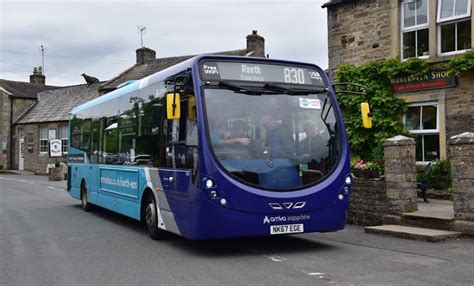
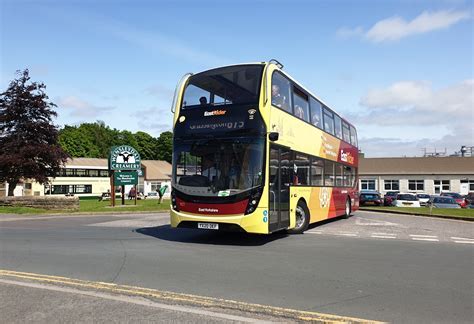
Two cornerstone routes championed in the guide are the Nidderdale DalesBus 821, which travels from Keighley through the Washburn Valley to Pateley Bridge and Upper Wharfedale, and the Cravenlink 866, connecting Keighley with the idyllic village of Malham. These services provide direct, eco-conscious links to some of Yorkshire’s most celebrated natural landmarks, from rolling moorlands to towering limestone formations.
Pioneering Sustainable Tourism for North Yorkshire
The initiative arrives as the United Kingdom faces a growing appetite for sustainable travel experiences that balance visitor demand with the protection of rural communities and landscapes. By encouraging public transport use, the Dales guide directly aligns with wider regional ambitions to cut traffic congestion, reduce emissions, and support remote communities often underserved by conventional transport options.
Backed by a coalition of stakeholders—including North Yorkshire Council’s Bus Service Improvement Plan (BSIP), the York & North Yorkshire Combined Authority, West Yorkshire Combined Authority, the Dales and Bowland Community Interest Company, and the Settle–Carlisle Railway Development Company—this publication embodies the collaborative spirit essential for driving rural mobility forward.
Enhancing Accessibility for All Travelers
More than just a schedule, the guide serves as a vital resource for those seeking an authentic, low-impact way to engage with the Yorkshire Dales’ rich heritage. Its user-friendly design incorporates:
- Clear route maps, making navigation simple even for first-time visitors.
- Detailed service timetables, ensuring travelers can efficiently plan their journeys.
- Travel tips, helping users make the most of the region’s scenic highlights and cultural attractions.
Printed copies are readily available at key transit hubs such as major bus and rail stations, visitor centers, and local libraries, ensuring widespread accessibility for residents and tourists alike.
Unlocking Iconic Landscapes with Public Transport
Among the most notable routes featured is the Nidderdale DalesBus 821, particularly popular during summer months when the region’s natural beauty is at its peak. This service winds through panoramic vistas of moorlands, reservoirs, and traditional villages, culminating at Pateley Bridge and Upper Wharfedale—areas steeped in history and renowned for walking trails.
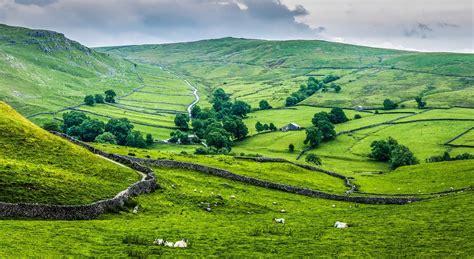
Meanwhile, the Cravenlink 866 delivers visitors directly to Malham, gateway to world-famous sites like Malham Cove, a colossal limestone amphitheater, and the dramatic waterfall gorge of Gordale Scar. Both destinations have long drawn hikers, photographers, and nature enthusiasts, and now more visitors can reach them sustainably without contributing to rural traffic pressures.
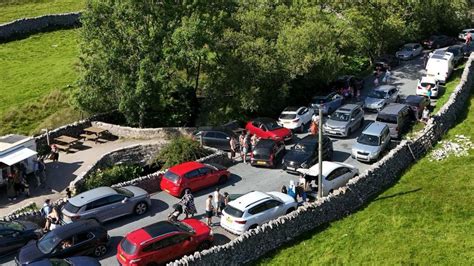
Supporting Rural Communities and Reducing Car Dependency
Beyond tourism, these enhanced transport services provide essential connections for residents in isolated communities. In rural Yorkshire, where private vehicle ownership may be limited and transport options scarce, the DalesBus and Cravenlink routes offer critical mobility, linking villages with market towns, healthcare facilities, and other vital services.
The travel guide thus reflects a broader strategy to bridge urban-rural divides and promote transport equity, ensuring that communities within the Yorkshire Dales National Park and surrounding areas are not left behind in efforts to modernize mobility infrastructure.
A Model for Environmentally Conscious Exploration
The release of the Dales Travel Guide comes as demand for nature-based, low-carbon tourism reaches unprecedented levels across the UK. With the pandemic reshaping holiday patterns and fostering a renewed appreciation for local destinations, many travelers are actively seeking “slow travel” experiences that minimize environmental impact.
By championing public transport, the guide supports this ethos, empowering individuals to explore Yorkshire’s rugged beauty without resorting to private cars. This contributes to lower emissions, reduced traffic congestion on narrow rural roads, and the preservation of the region’s ecological integrity.
Regional Collaboration Driving Sustainable Progress
The guide’s publication represents the culmination of extensive collaboration between transport authorities, community organizations, and local councils. North Yorkshire Council’s Bus Service Improvement Plan, which secured funding for the initiative, reflects a county-wide commitment to upgrading transport links and facilitating greener, more inclusive travel.
The involvement of groups like the Dales and Bowland Community Interest Company and the Settle–Carlisle Railway Development Company underscores how partnerships between public, private, and voluntary sectors are key to addressing the mobility challenges facing rural England.
Furthermore, integrated planning between West Yorkshire and York & North Yorkshire Combined Authorities ensures that cross-regional transport networks function cohesively, maximizing accessibility for both day-trippers and longer-stay visitors.
Encouraging Eco-Tourism Without Compromise
The guide not only enhances transport convenience but also serves as a statement of intent: North Yorkshire is committed to growing its tourism economy without compromising environmental or community well-being. Through better transport integration, the region can welcome increased visitor numbers while safeguarding its iconic landscapes, biodiversity, and cultural heritage.
Visitors can now immerse themselves in experiences ranging from tranquil moorland walks to exploring bustling market towns—all accessible via public transport. The guide makes it easier than ever to engage with the Yorkshire Dales National Park, one of the UK’s most treasured rural destinations, in a responsible and rewarding manner.
Looking Ahead: Sustainable Tourism as the Future
As demand for environmentally responsible travel accelerates, the North Yorkshire Dales Travel Guide sets a benchmark for other UK regions seeking to balance tourism growth with sustainability. By putting public transport front and center, authorities have demonstrated that rural beauty need not be synonymous with car reliance.
The publication is poised to become an indispensable tool for anyone planning to explore the Yorkshire Dales, whether for a summer hiking adventure, cultural escape, or leisurely countryside retreat. With clear, consolidated travel information now readily available, sustainable exploration is more accessible than ever.
Ultimately, the guide reflects a progressive vision for tourism—one where exploration, community support, and environmental stewardship coexist. North Yorkshire’s initiative is a bold stride toward a future where visitors and residents alike can enjoy the Dales’ unmatched beauty, without leaving a damaging footprint behind.