In the realm of aerial combat simulations, few genres carry the weight of strategic complexity, historical reverence, and emotional gravity quite like air bomber games. These tabletop experiences do more than entertain; they invite players to immerse themselves in high-stakes decision-making, replicating the grueling, precise, and morally complex air campaigns of the 20th century. Among the most evocative titles in this domain are Bomber Command: The Night Raids 1943–1945, Down in Flames: Locked-On, and Wild Blue Yonder: The Air War in Europe, 1940–1944. Each delivers a distinct vision of aerial warfare, filtered through detailed mechanics and richly thematic card-based play.
At their core, these games blur the boundary between historical recreation and strategic abstraction, allowing players to step into the roles of squadron leaders, bomber pilots, or fighter commanders. Whether managing a nocturnal bombing sortie over Germany or engaging in high-speed jet duels, the gameplay relies on tightly engineered card mechanics to convey altitude, momentum, initiative, and firepower.
Bomber Command: A Night in the Skies Over Germany
Few air bomber games confront the ethical and operational dimensions of aerial war like Bomber Command: The Night Raids 1943–1945 from GMT Games. Set during the late stages of World War II, this two-player experience pits the Royal Air Force against Luftwaffe night fighters in a tense, asymmetrical cat-and-mouse game of radar sweeps, evasive routing, and deadly interception.
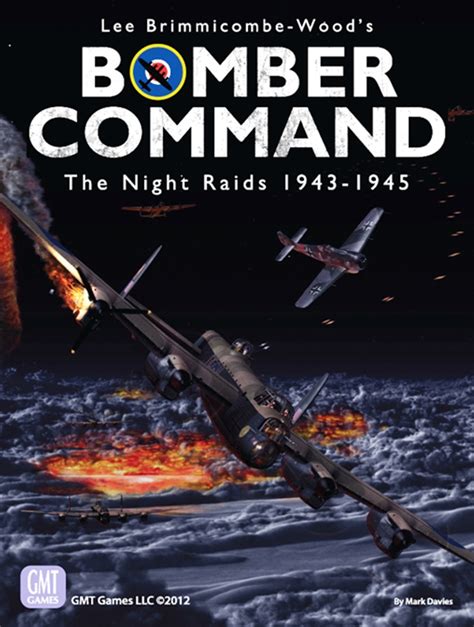
Built on the “raid-scale” engine refined in Downtown and The Burning Blue, Bomber Command prioritizes hidden movement, strategic misdirection, and the real dangers of anti-aircraft artillery and mid-flight mechanical failure. Players must choose their loadouts carefully—high explosive for infrastructure, incendiaries for disruption—knowing that bombing accuracy might falter and drift toward civilian targets, sparking grim introspection.
The game’s strength lies in how it captures the psychological tension of planning and executing a night raid. From plotting routes through radar gaps to bracing for sudden interception, the experience is as much about what players don’t see as what they do. The stakes are amplified by mechanics that simulate crew fatigue, damaged fuselages, and morale attrition, making every sortie a gamble between mission success and survival.
Down in Flames: Locked-On – The Jet Age Evolution
From the night skies of Europe to the missile-rich airspaces of the Cold War and beyond, Down in Flames: Locked-On by Dan Verssen Games modernizes the classic dogfighting system with jet propulsion, missile locks, and afterburner mechanics. It’s a visceral leap forward in tempo and tension, allowing players to command aircraft from the F-86 Sabre to the F-22 Raptor, as well as MiGs, Harriers, and more.
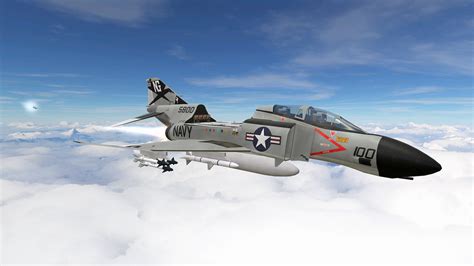
The game’s system introduces a Relative Range mechanic—Gun, Heat Seeking, Radar Homing, and Active Homing—that forces players to constantly assess range thresholds and deploy countermeasures. Each aircraft’s performance envelope feels distinct, and managing altitude, thrust, and range becomes a cerebral exercise in energy conservation and timing.
What elevates Locked-On is its tactical card interplay. Attacks, evasions, counter-attacks, and missile launches are all executed through card draws, with every hand demanding resourceful improvisation. It captures the core tension of air combat: the simultaneous need for aggression and evasion, where a moment’s miscalculation can mean a fatal lock-on.
The inclusion of afterburner cards, chaff/flares, and elevation advantages enriches the decision space. The modular display cards help players keep track of missile inventories and range bands, giving the system a clarity often missing in high-detail wargames.
Wild Blue Yonder: Air War Reimagined
For those who crave a comprehensive, theater-wide experience spanning the entire European aerial campaign, Wild Blue Yonder is an unmatched synthesis. Compiling the best modules from Rise of the Luftwaffe, Eighth Air Force, Zero!, and Corsairs and Hellcats, it presents a streamlined yet deeply strategic overview of dogfighting from 1940 to 1944.

There is no game board. Instead, everything—from altitude to positional advantage—is rendered via cards. This absence of a spatial grid enhances narrative immersion while still maintaining clarity. Each player manages a Leader and Wingman, who can become Tailed, Advantaged, or Disadvantaged depending on play choices.
Attack cards and Burst mechanics govern damage output, with multiple bursts increasing lethality based on position and speed. The game emphasizes hand management, forcing players to choose whether to hold cards for defensive counters or commit them to offense.
A key innovation is how altitude is tracked: by drawing or discarding cards, players simulate gaining or losing height. This dynamic abstraction maintains tactical depth while reducing fiddly mechanics. Wild Blue Yonder encourages resource management, momentum control, and role-playing engagement, making every round feel like a cinematic sortie.
Why Air Bomber Games Resonate
There’s a reason Grant and Alexander, passionate enthusiasts of aerial war simulations, keep returning to these titles. It’s not just about the rules or the historical veneer—it’s the way these games explore moral ambiguity, decision-making pressure, and sudden reversals. Games like Bomber Command make players live through the consequences of total war doctrines. Locked-On challenges them to anticipate missile trajectories in milliseconds. Wild Blue Yonder pulls them into the cockpit at the moment of decisive attack.
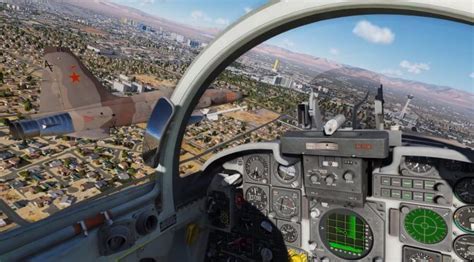
The use of cards in all three titles is not a gimmick but a powerful abstraction. Cards allow for the modeling of fog of war, tactical unpredictability, and the bounded rationality of real-time combat. Rather than relying on hex grids or dice-heavy resolution systems, these games focus on sequential logic, adaptive planning, and sudden chance. That makes the experience not only historically evocative but cognitively demanding.
A Tribute to Strategy and Reflection
What binds these games is their ability to generate emotional resonance alongside strategic challenge. The firestorm of Hamburg, the cockpit panic of an F-15 lock-on, the disorienting burst from a tailing Zero—all are moments made vivid through thoughtful mechanics. These aren’t just games. They’re meditations on risk, sacrifice, and adaptation.
In an age where many war games seek scale over depth, these titles prove that tightly focused simulations can provide more impactful experiences. They demand study, yes—but also empathy. They reward not just tactical brilliance but narrative curiosity, asking players to wonder what it was like to fly, to fear, and to decide.
Whether through the quiet dread of a radar sweep, the explosive release of a missile card, or the careful management of a battered bomber wing, air bomber games remain one of the most compelling subgenres in the world of strategic gaming. They offer not only challenge but insight—into both history and the human condition.