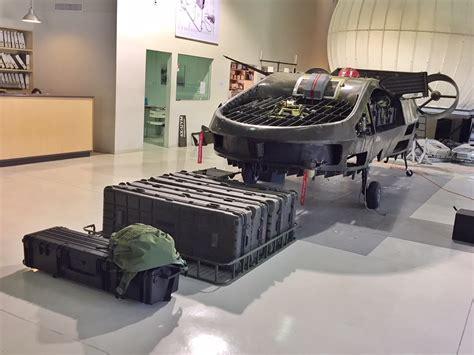
The Tactical Robotics Cormorant, also known as AirMule or Mule, is a groundbreaking unmanned aerial vehicle (UAV) that is revolutionizing the way military and rescue operations are conducted. Developed by Tactical Robotics Ltd., a subsidiary of Urban Aeronautics Ltd., the Cormorant is specifically designed to meet the needs of the Israel Defense Forces (IDF) and other organizations requiring specialized capabilities for dangerous and inaccessible missions. This UAV is primarily intended for tasks such as rescue operations in hostile environments, evacuations from burning buildings, and supply drops in urban combat zones, making it a versatile asset for both military and civilian applications. As an innovative solution to modern warfare and rescue operations, the Cormorant presents a host of advantages over traditional aerial vehicles like helicopters, particularly in navigating narrow and confined spaces.
Design and Development of the Cormorant
The development of the Cormorant UAV began in the wake of the 2006 Lebanon War, where the Israel Defense Forces (IDF) identified a significant gap in their evacuation and rescue capabilities. The need for an unmanned medical evacuation platform became evident, prompting Tactical Robotics to begin designing a vehicle that could perform these vital tasks without the need for human pilots.
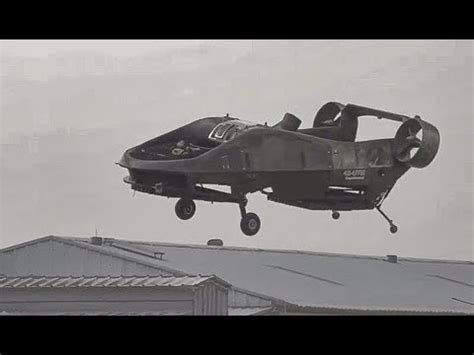
The Cormorant’s design is based on the Fancraft technology, a novel propulsion system that is supported by multiple patents. This innovative design provides the UAV with unique flight characteristics that make it especially effective in urban and combat zones where traditional helicopters struggle. One of the most important features of the Cormorant is its ducted fan propulsion system, which not only improves the efficiency of the vehicle but also reduces the risk of damage from external hazards such as debris or small arms fire. The system is designed to operate in harsh environments, including hazardous conditions such as power line maintenance or inspections around nuclear reactors.
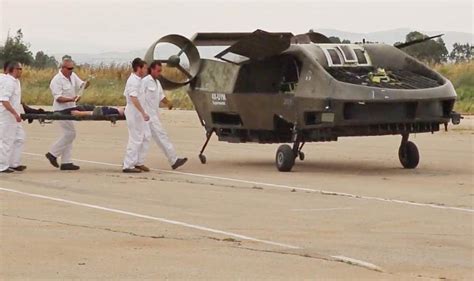
The Cormorant’s ability to transport up to 500 kilograms of cargo sets it apart from other UAVs. The vehicle can carry up to two casualties to medical facilities, providing life-saving evacuation capabilities in otherwise inaccessible areas. This combination of cargo capacity and specialized flight characteristics makes the Cormorant an invaluable tool for rescue operations, particularly in dense urban environments.
The Key Features of the Cormorant
The Cormorant is engineered to deliver exceptional performance in difficult conditions. Here are some of its standout features:
- Ducted Fan Propulsion System: The unique propulsion technology offers enhanced safety and efficiency, making the Cormorant capable of flying in tight spaces and urban environments that would otherwise be too risky for helicopters.
- Composite Fuselage: The lightweight, durable fuselage provides the UAV with optimal performance while maintaining structural integrity in challenging conditions.
- Sophisticated Flight Control System: The Cormorant’s flight stability, control, and safety are managed through an advanced flight-control system, which ensures smooth operation even in turbulent environments.
- Payload Capacity: The Cormorant can carry up to 500 kg, allowing it to perform critical medical evacuations and supply delivery missions with ease.
- Highly Maneuverable: Thanks to its ducted fan system, the Cormorant can navigate narrow streets, confined spaces, and congested urban areas with ease.
The UAV’s capacity to operate in environments such as combat zones and urban disaster areas positions it as a key asset for various military and civilian applications. Whether it’s evacuating casualties from war zones or delivering critical supplies to isolated areas, the Cormorant excels in versatility.
The Cormorant’s Role in Medical Evacuations
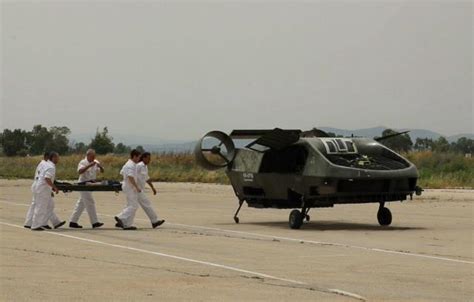
One of the most important missions for the Cormorant is its role in medical evacuations, particularly in military combat scenarios. The need for an unmanned system capable of quickly extracting casualties from dangerous areas has become increasingly urgent. In traditional operations, helicopters are often the go-to solution for medical evacuations, but their size and vulnerability make them unsuitable for urban environments or combat zones where space and safety are limited.
The Cormorant addresses these limitations by offering unmanned operation, which eliminates the risk to human pilots while still ensuring that casualties are evacuated promptly and safely. In addition to carrying medical supplies, the Cormorant can transport two casualties at once, significantly increasing the speed and efficiency of emergency medical operations. This capacity is particularly valuable during military conflicts or disasters, where human operators might face imminent threats, such as enemy fire or hazardous weather conditions.
Military and Civilian Applications
While the primary target market for the Cormorant UAV is military forces such as the Israel Defense Forces (IDF), the system’s potential extends far beyond the military. The Cormorant is designed to be adaptable to a range of civilian applications, including disaster response, search and rescue missions, and high-risk infrastructure inspections.
In disaster zones, the Cormorant can be deployed to evacuate injured civilians and deliver humanitarian aid to isolated areas. The ability to reach places that are cut off from ground access due to debris, fires, or damaged infrastructure makes it an invaluable tool for first responders and aid organizations.
Furthermore, the Cormorant’s capabilities are also suited for infrastructure maintenance, including the inspection of power lines and nuclear reactors. Its ducted fan propulsion system allows it to hover and move efficiently in environments where conventional drones or helicopters would be less effective.
Future Development and Prospects
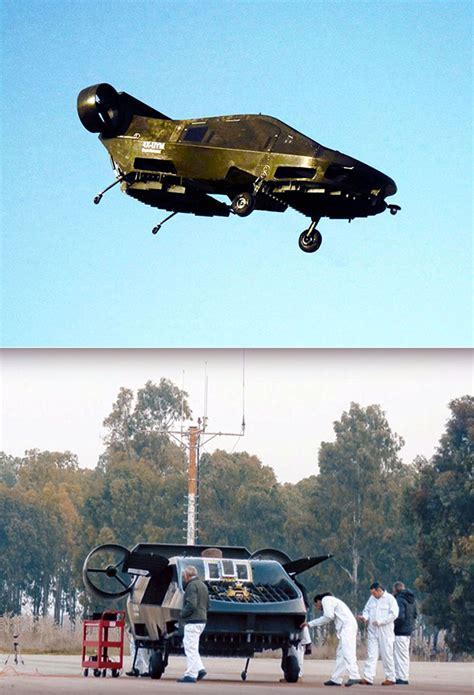
The development of the Cormorant is ongoing, with live demonstrations having already taken place as early as 2018. The UAV is still being refined to meet both NATO and IDF standards for unmanned medical evacuation and casualty transport. Future versions of the Cormorant are expected to be equipped with higher-speed capabilities, further expanding its use for tactical supply missions in both military and civilian contexts.
Urban Aeronautics is actively seeking international partnerships to expand the global reach of the Cormorant. As the demand for unmanned aerial vehicles continues to rise across industries, the Cormorant is well-positioned to become a leading solution for both military operations and civilian rescue efforts.
Conclusion
The Tactical Robotics Cormorant is a transformative unmanned aerial vehicle that is setting new standards in medical evacuation, rescue operations, and supply deliveries. Its unique design, which combines cutting-edge propulsion technology and an adaptable payload capacity, allows it to operate effectively in some of the most dangerous and confined environments. Whether used for military operations or humanitarian missions, the Cormorant is proving to be a versatile and life-saving asset in critical situations.
As Urban Aeronautics Ltd. continues to refine the Cormorant and explore new partnerships, its potential applications are vast. The combination of advanced technology, strategic military use, and future civilian applications positions the Cormorant as a key player in the future of unmanned aerial vehicles. The world of rescue missions and military operations will never be the same, thanks to the innovative capabilities of the Cormorant UAV.