The current state of the global tourism sector tells a compelling story. According to recent analyses, tourism receipts worldwide grew by a mere 4.4% in 2025, marking the weakest growth rate in five years. With global travel revenue estimated at around 2.025 trillion U.S. dollars, the slowdown is evident across various sectors, including river cruises, which have seen their once-robust growth decline from 7.9% to 4.9%. The challenges faced by private accommodations and hotel chains mirror this trend, highlighting the urgent need for innovation and adaptation.
Experiential Travel: A New Paradigm
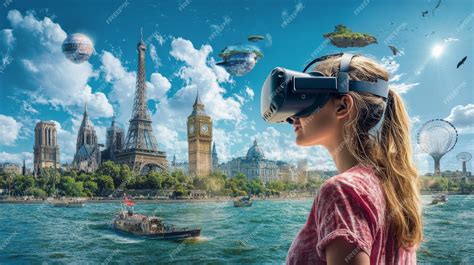
In response to these daunting statistics, many hospitality groups are proactively embracing experience-driven initiatives that add value to each moment of a guest’s stay. Hoteliers are no longer just providing accommodations; they are curating unique experiences that resonate emotionally with guests, ensuring that their memories linger long after their visit. For instance, several estates have introduced immersive motorsport-themed afternoons, complete with driving simulators, themed cocktails, and engaging narratives that capture the thrill of a Formula One race day. Today’s travelers are not just booking rooms; they are seeking out stories and experiences that enrich their lives.
Wellness Reimagined: A Local Touch
As part of this experiential evolution, wellness offerings are also undergoing a transformation. Hotels are moving beyond traditional spa services to provide treatments that reflect local culture and natural surroundings. An exemplary case is the Himalayan Spa Experience, which combines ancient herbal remedies with serene relaxation spaces, inspired by the tranquil essence of the mountains. This approach not only enhances wellness tourism but also satisfies the growing demand for authenticity and meaningful downtime among travelers. Guests leave these experiences not just rejuvenated but also enriched by a deeper connection to their destination.
Emotional Connections Drive Loyalty
Industry leaders assert that the shift towards experience-centric approaches is not a fleeting trend but a crucial strategy for survival. In an era where travelers face an abundance of choices and economic uncertainties can swiftly alter demand, creating emotional bonds has become paramount. As Dominique Van Wezop, General Manager of Radisson OR Tambo, aptly notes, “During tough times, it’s the special moments that people remember.” This sentiment underscores the importance of crafting experiences that entertain, inspire, and connect with guests on a profound level. From unexpected surprises like a motorsport lounge to intimate candlelit dinners in the forest or bespoke yoga retreats, hotels are finding inventive ways to encourage repeat visits that transcend mere monetary value.
Innovation as a Necessity
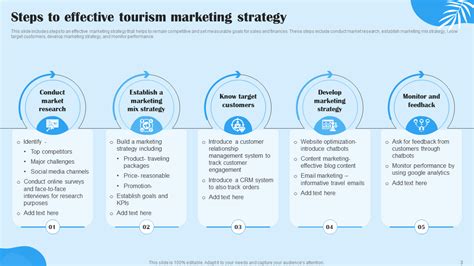
Despite the downturn in revenue, the ongoing innovation within the tourism sector exemplifies its resilience and adaptability. The fact that businesses are actively pursuing creative campaigns, rebranding initiatives, and innovative destination marketing strategies reflects a sector that is not merely surviving but thriving on imagination and guest-centered concepts. Destination marketers are increasingly collaborating with hoteliers and tour operators to develop thematic itineraries that go beyond conventional sightseeing, incorporating elements such as culinary narratives, heritage trails, and nature therapy circuits, all designed to enhance visitor spending without overwhelming local infrastructure.
The Future of Travel: A Holistic Approach
The emphasis on experience over volume is not just a temporary response to current challenges; it signifies a broader framework for the future success of the tourism industry. Travelers today seek more than simple relaxation or sightseeing; they crave discovery, purpose, and joy in their journeys. This pivotal moment presents an opportunity for every facet of the tourism ecosystem—from airlines and cruise lines to boutique hotels and personal guides—to rethink their operations and adopt an innovation-first mindset.
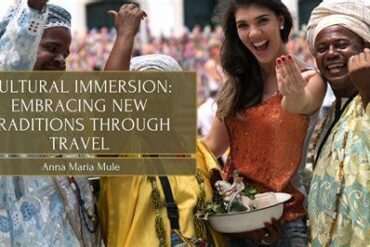
Unique, culturally authentic experiences are not just effective tools for attracting visitors; they play a crucial role in fostering respect, sustainability, and trust within the industry. As the global tourism landscape continues to evolve, embracing innovative strategies and immersive experiences will be vital for ensuring the resilience and longevity of the sector in the years to come. By prioritizing emotional connections and meaningful interactions, the world tourism industry is poised to navigate the complexities of the modern travel landscape while remaining steadfast in its commitment to delivering unforgettable experiences.