The Hotel Association of India (HAI) has recently embarked on a significant collaboration with the Maharashtra government to accelerate sustainable growth in the state’s tourism sector while addressing pressing challenges faced by the hotel industry. This strategic partnership aims to create a conducive environment for the long-term development of the hospitality sector, focusing on key issues such as high operational costs, regulatory bottlenecks, and the urgent need for enhanced infrastructure. By aligning their efforts, both entities seek to implement strategic initiatives that will not only bolster Maharashtra’s position as a premier tourism hub but also pave the way for a more sustainable and profitable future for its hotel industry.
In a recent dialogue led by Dr. Sanjay Sethi, the Honorary Treasurer and Chairperson of HAI’s Maharashtra Chapter, alongside Mrs. Charulata Sukhija, Deputy Secretary General of HAI, discussions were held with Dr. Atul Patne, Principal Secretary – Tourism for the Government of Maharashtra. This meeting marks a pivotal step in fostering public-private collaboration, emphasizing the necessity for ongoing engagement between the association and state authorities to enhance the hospitality ecosystem.
During this significant meeting, both parties acknowledged the strengths of Maharashtra’s tourism policy and its forward-looking vision while also identifying critical regulatory and infrastructural bottlenecks that continue to impede the efficiency and profitability of the hotel industry. Addressing these concerns is vital for ensuring that Maharashtra can compete effectively on both domestic and international fronts in the tourism sector.
One of the foremost concerns raised by HAI was the need for an urgent implementation of industry-level electricity tariffs for hotels. Currently, hotels in Maharashtra are charged at higher commercial power rates, which significantly inflates their operational costs. This is particularly burdensome for hospitality establishments, where heating, ventilation, and air conditioning (HVAC) systems account for a substantial share of energy consumption. Although Maharashtra had previously recognized hotels under the industrial category, execution issues have led to inconsistencies in the benefits. HAI emphasized that uniform application of industry tariffs across all eligible properties would not only make hotel operations far more cost-efficient but also enable stakeholders to reinvest savings into enhancing services and upgrading infrastructure.
Another area of focus during the discussions was the simplification of the excise licensing framework. HAI proposed the adoption of a unified licensing model known as “One License One Property” (OLOP). This innovative system would consolidate multiple licenses into a single comprehensive permit covering all business activities within a hotel property, including bars, restaurants, banquet halls, rooftops, and poolside areas. Currently, hotels must navigate a fragmented and cumbersome licensing process involving multiple authorities, often leading to delays and unnecessary compliance burdens. The OLOP model is anticipated to not only reduce bureaucratic hurdles but also significantly enhance the ease of doing business for hoteliers in Maharashtra, thereby encouraging new investments and smoother operations.
Furthermore, HAI put forward recommendations to revise and enhance fiscal incentives outlined in the state’s Tourism Policy 2024. These proposals include increasing capital subsidies for new and existing hotel infrastructure, extending SGST (State Goods and Services Tax) reimbursements over longer durations, introducing wage-linked incentives to stimulate employment generation, and offering enhanced subsidies for properties committed to adopting sustainable practices. Such policy adjustments are strategically aimed at driving investment into both established tourist hubs and underdeveloped regions across the state. By promoting equitable tourism development, these reforms could significantly address regional disparities while simultaneously boosting Maharashtra’s overall tourism potential.
Dr. Atul Patne expressed strong support for the points raised by HAI and reaffirmed the government’s commitment to strengthening the state’s hospitality and tourism sectors. He emphasized that Maharashtra is focused not only on enhancing tourist arrivals but also on transforming the state into a premier destination for both domestic and international travelers. The government’s strategic direction includes developing high-quality infrastructure, improving regulatory transparency, and fostering partnerships that can elevate Maharashtra’s brand value in global tourism markets. Dr. Patne’s openness to HAI’s recommendations underscored the importance of industry-government collaboration in achieving shared objectives.
As the Hotel Association of India continues to engage with the Maharashtra government, it reaffirms its dedication to collaborating on forward-looking policies that stimulate growth, encourage sustainability, and unlock employment opportunities in the hospitality domain. HAI remains committed to being a partner in Maharashtra’s ambitious journey from being an emerging tourism state to a top-ranking travel destination.
This collaboration between the Hotel Association of India and the Maharashtra government is poised to not only lay the groundwork for regulatory reform and fiscal empowerment but also to reaffirm a shared vision of building a robust, efficient, and sustainable hospitality sector in Maharashtra. With cooperative efforts, the state’s hotel industry is well-positioned to thrive, innovate, and contribute significantly to economic development in the years ahead.
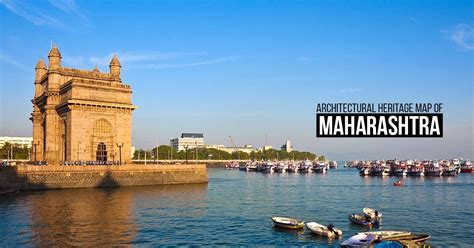
Through this partnership, the HAI and the Maharashtra government aim to foster a sustainable tourism environment that enhances operational efficiency, streamlines regulations, and strengthens the state’s tourism infrastructure for long-term success. As these initiatives unfold, they have the potential to transform the landscape of hospitality in Maharashtra, establishing it as a model for sustainable tourism practices across India.