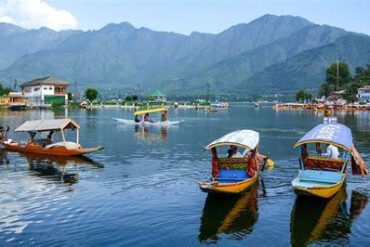
The Kashmir Valley, long cherished for its breathtaking beauty and cultural richness, is once again opening its arms to the world. After a temporary lull caused by the April 22 Pahalgam attack, the region is now witnessing a robust revival effort spearheaded by airlines, railway authorities, and travel agencies determined to reignite tourist inflows. As summer unfolds across the Indian subcontinent, Kashmir’s hospitality sector is staging a strategic and emotionally resonant comeback—one that reaffirms the valley’s place as a crown jewel in India’s travel landscape.
After hostilities subsided on May 10, several domestic flight connections resumed, breathing life back into the tourism economy. Yet, essential air corridors like the Kolkata–Srinagar route remained suspended—an absence that dealt a heavy blow to both connectivity and traveler sentiment. Recognizing this gap, one major airline has confirmed the relaunch of its Kolkata-Srinagar direct flight on June 16, a move widely welcomed by the travel trade as a significant signal of returning normalcy.
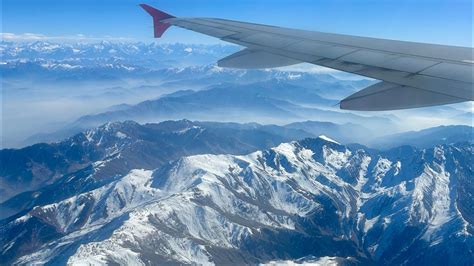
The return of this crucial route is not merely a logistical upgrade—it is a psychological turning point. Eastern India, particularly Kolkata, has historically been a vital feeder market for Kashmir’s tourism sector. With over 400,000 travelers using major travel agency platforms from Kolkata annually—and approximately 10% selecting Kashmir—this single reconnection may serve as a springboard for accelerated recovery.
Flight Suspensions Crippled Tourism Infrastructure
During the weeks of suspended air travel, tourism-dependent businesses across the Valley saw unprecedented losses. Cancellations poured in. Family vacationers opted for alternate hill stations. Honeymooners postponed trips. And adventure seekers hesitated, wary of the uncertainties. The ripple effect was swift and unforgiving. From houseboat operators on Dal Lake to small handicraft vendors in Pahalgam, incomes plummeted. Hotel bookings nosedived. Restaurant footfall shrank. Transport providers stood idle. And the once-bustling valleys fell silent.
In response, local stakeholders adopted emergency measures. Hotel rates were slashed. Travel packages were bundled at discounts. But without airlift, these incentives had limited impact. As one tour operator noted, “You can’t sell paradise if no one can get to it.”
“Chalo Kashmir” and “Rally for Valley”: Restoring the Region’s Tourism Identity
To counteract fear and revive interest, the tourism sector launched emotionally charged promotional campaigns like “Chalo Kashmir” and “Rally for Valley.” These campaigns are not just slogans—they are movements rooted in restoring public trust. The language is aspirational, invoking both safety and solidarity. They emphasize Kashmir not as a conflict zone, but as a place of peace, poetry, and panoramic wonder.
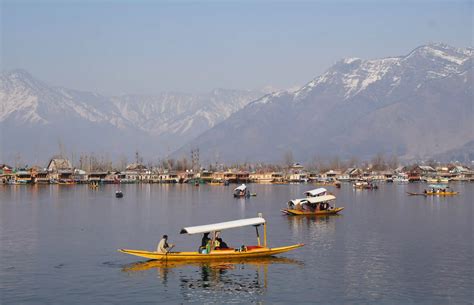
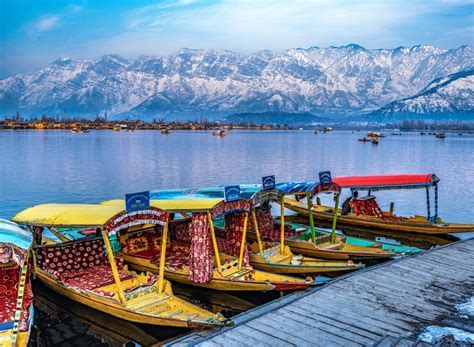
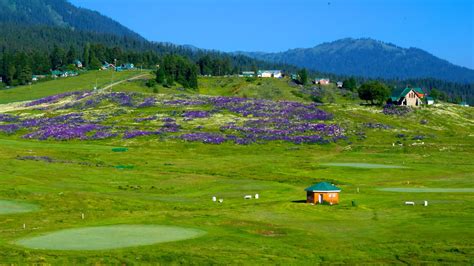
Travel agencies, tourism boards, and social influencers have amplified these narratives across platforms, positioning Kashmir as “not just a destination, but a return to emotional calm.” Curated videos of blooming tulip gardens, quiet shikara rides, and vibrant local markets are dominating social feeds. The tone is unmistakable: Kashmir is open. It is safe. And it is waiting.
Railway Revival: Vande Bharat and the Iconic Chenab Bridge
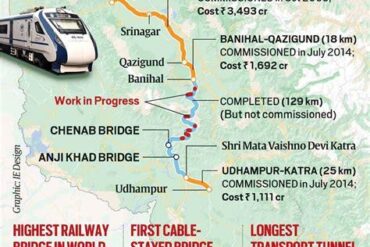
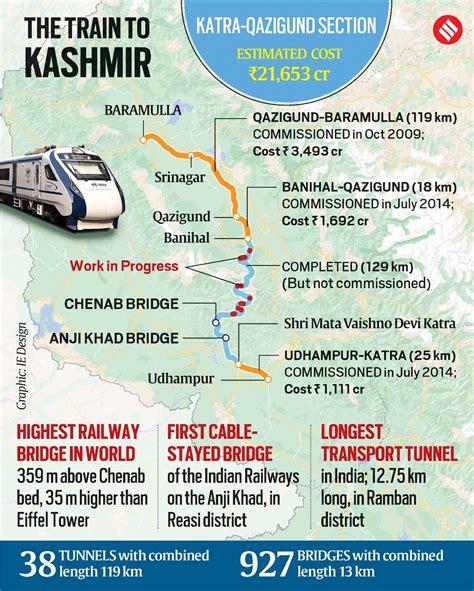
While airlines are the obvious lifeline, Indian Railways is playing an equally strategic role in the tourism rebound. The Vande Bharat Express, one of India’s most luxurious and fastest trains, is being promoted not just for convenience—but for the symbolic beauty of the journey itself. Traversing the world’s highest railway bridge—the awe-inspiring Chenab Bridge—this rail experience offers travelers an unforgettable route into the heart of Kashmir.
The idea is not just about transport. It’s about experiential tourism. Authorities hope that travelers disillusioned by recent air travel risks will turn to railways as a scenic and secure alternative. For many, the train journey through winding gorges and lush meadows becomes the first emotional contact with the Valley, setting the stage for a deeper connection upon arrival.

Promotional Roadshows: The Rebranding of Kashmir’s Image
Tourism boards have taken their battle for recovery on the road—literally. In metro cities like Kolkata, Delhi, and Bangalore, roadshows and B2B events are being held to rejuvenate the flow of travelers. These are not generic travel expos; they are tailored campaigns aimed at travel agents, tour planners, bloggers, and content creators.
The message is being woven with precision: Srinagar’s hospitality is undiminished, Pahalgam’s trails are safe, Sonmarg’s glaciers await, and Gulmarg’s slopes remain thrilling. These promotions are supplemented by exclusive travel deals, media collaborations, and real-time itinerary personalization—all delivered through both digital and in-person activations. Each touchpoint works to replace apprehension with anticipation.
Economic Repercussions: A Tense Backdrop to Recovery
The economic cost of the tourism disruption has been staggering. Thousands of livelihoods across Kashmir rely directly on seasonal tourist inflow. In 2023, the region welcomed over 1.5 million visitors, positioning it as a rising contender in India’s domestic travel boom. The April 22 attack abruptly halted this trajectory.
From independent guides to café owners, artisans to photographers, the pain of lost income is palpable. Many have had to pivot, taking up odd jobs or exhausting savings. The current rebound is thus not merely about numbers—it is about survival, dignity, and economic justice for the people of the Valley.
To cushion this fragile phase, industry leaders are calling for a reintroduction of COVID-era pricing strategies. These include:
- Low-cost airfare subsidies to re-enable volume tourism.
- Subsidized accommodation packages, particularly for budget travelers and large families.
- Public-private partnership schemes to support struggling local operators with grants or tax relief.
While government response has been measured, there is growing momentum for a tourism stimulus package focused on Kashmir.
Safety, Perception, and the Future of Travel to Kashmir
At the heart of the revival lies the question of perception. Despite years of political progress and enhanced security, episodes like the April attack rekindle age-old fears. However, it is notable that after the May 10 de-escalation, no further incidents have been reported. Increased patrols, surveillance, and state-level assurances have helped restore order and confidence.
The Ministry of Tourism, in coordination with state authorities, has also worked closely with the travel trade to:
- Issue regular safety advisories based on real-time intelligence.
- Facilitate coordination centers at tourist hotspots to assist travelers.
- Encourage tourism insurance coverage and emergency contact systems.
These interventions, coupled with grassroots narratives of hospitality and resilience, are slowly reshaping public opinion.
Cultural Tourism and Sustainable Revival
Beyond logistics and marketing lies the cultural core of Kashmir’s tourism appeal. The region is more than scenery—it is story, tradition, and sensory richness. Revival efforts are now also focusing on sustainable, culture-rooted tourism. This includes:
- Reviving Sufi music festivals and handicraft melas in collaboration with local artisans.
- Promoting eco-tourism treks and homestays in less commercialized villages.
- Enhancing culinary tourism, offering curated food trails through wazwan feasts and tea-tasting ceremonies.
This cultural anchoring adds depth to the tourist experience, building a longer-term emotional investment in the Valley.
A Stronger Tourism Ecosystem Is Emerging
What began as a reactive recovery campaign is evolving into a multi-tiered ecosystem revitalization. The convergence of air, rail, digital, and cultural strategies is shaping a new travel narrative for Kashmir—one where resilience and reinvention drive the story forward.
The stakes are high. As the 2025 holiday season approaches, Kashmir is banking not just on footfall, but on faith—the faith of travelers, the resolve of the industry, and the strength of a region determined not to be defined by moments of crisis.
With collaborative action from airlines, local businesses, and policy stakeholders, the dream of a renewed Kashmir is no longer a distant hope. It is in motion. And the world is watching.