As 2025 unfolds, the United Kingdom’s rail infrastructure is undergoing a sweeping transformation that is set to redefine national transit. With billions of pounds in funding directed toward modernization, electrification, and expansion, the country’s rail initiatives promise to elevate connectivity, cut carbon emissions, and reshape urban and regional mobility. From the high-profile HS2 to localized metro networks and pioneering light rail technologies, these projects represent a determined step toward a more integrated and sustainable transport future.
Transpennine Route Upgrade: Reconnecting the North Through Electrification
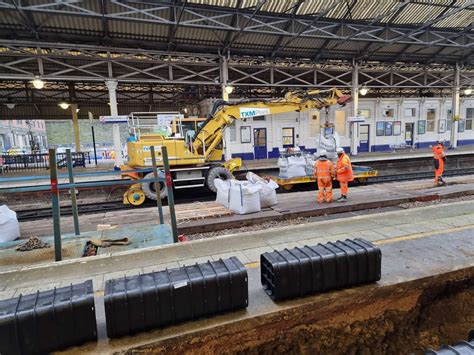
The Transpennine Route Upgrade is one of the most impactful infrastructure investments currently underway in the North of England. Stretching between Manchester and York, this project focuses on electrifying critical sections of the route to deliver faster, greener, and more reliable rail services. Construction has intensified on key segments, including Manchester Victoria to Stalybridge and Church Fenton to York, both nearing completion.
Electrification promises to significantly cut journey times and replace diesel locomotives with electric trains, directly reducing the line’s carbon footprint. As part of a long-term regional vision, this initiative is vital for bridging economic disparities across northern cities and supporting the Northern Powerhouse Rail strategy.
East West Rail: Oxford to Cambridge Reimagined
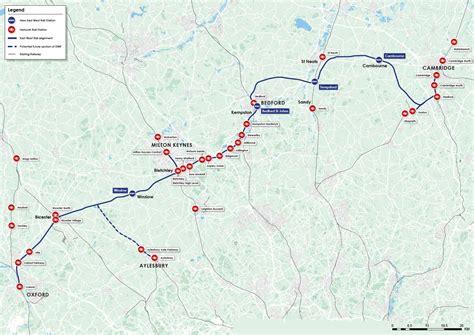
With an additional £2.5 billion investment approved in early 2025, the East West Rail project has surged ahead. Designed to restore direct rail links between Oxford and Cambridge, this corridor aligns with the Oxford-Cambridge Arc economic strategy. When completed, the electrified route will bolster productivity, unlock housing developments, and attract investment into the heart of East Anglia.
The new route aims to alleviate congestion on existing roads and rail lines while enhancing travel flexibility for professionals, students, and tourists. With Cambridge and Oxford being two of the UK’s most prominent academic and innovation hubs, improved connectivity between them creates economic synergies that ripple across sectors like biotech, education, and digital services.
South Wales Metro: A Seamless Cardiff-Centric Commuter Revolution
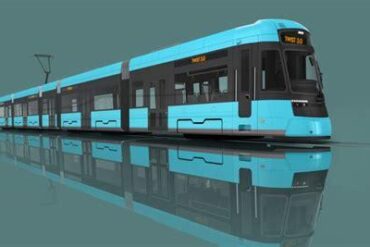
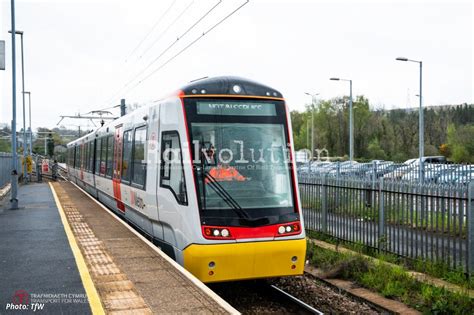
The South Wales Metro, nearing operational readiness by late 2025, is a bold leap toward regional integration in Wales. Centered in Cardiff, this multimodal system merges traditional rail, tram-trains, and light rail technologies into one unified, electrified network. Key infrastructure works are concentrated on the Core Valley Lines, where overhead electrification and new rolling stock are being deployed.
Once live, the South Wales Metro will dramatically improve commuter flexibility, reduce dependence on cars, and support environmental goals. It positions Cardiff as a model of modern public transport for other UK cities, potentially influencing future metro developments nationwide.
Coventry Very Light Rail (CVLR): The UK’s First Battery-Powered Urban Tram
Coventry is making headlines with its Very Light Rail (CVLR) project, a disruptive approach to sustainable urban transit. Featuring a lightweight, battery-powered tram system and ultra-thin prefabricated tracks, CVLR is intended to be both affordable and easily deployable in smaller cities.
Construction of a 220-meter test track has already commenced, and trials are expected to yield valuable insights into how this model can be scaled. If successful, CVLR could serve as a blueprint for decarbonizing urban mobility across the UK and even Europe. The first operational line is anticipated by 2027, signaling Coventry’s ascent as a hub for green transport innovation.
Cambridge South Station: Empowering the UK’s Innovation Corridor
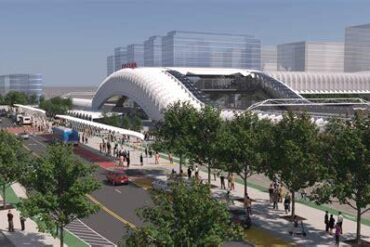
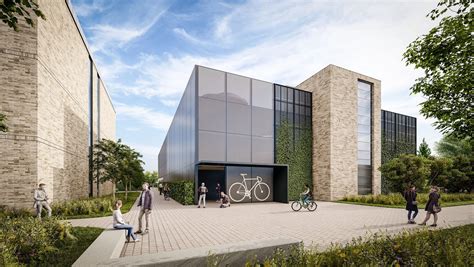
Set to open in 2026, the Cambridge South Railway Station is strategically located near the Cambridge Biomedical Campus, home to institutions such as AstraZeneca and the University of Cambridge’s research divisions. This infrastructure is designed to facilitate easier access for researchers, employees, and visitors, while also relieving pressure on Cambridge’s congested city centre.
The new station is more than a transport node — it is a gateway to biomedical collaboration and global investment. By improving national and international links, it ensures Cambridge’s continued role as a global innovation leader.
HS2: High-Speed Rail’s Ongoing Legacy
Despite political debates and phased project revisions, HS2 (High-Speed 2) remains the UK’s most transformative rail project. With a £106 billion budget, HS2 is focused on creating a zero-carbon, high-speed rail line linking London to Birmingham, and later extending toward Manchester and Leeds.
This project is not merely about speed. It is designed to alleviate overcrowding on the West Coast Main Line, reduce emissions by replacing car and domestic air journeys, and stimulate economic regeneration in the Midlands and North. Its first phase, London-Birmingham, is expected to be operational within the next few years.
HS2’s ripple effects include urban redevelopment around station hubs, creation of new jobs, and the reimagining of intercity connectivity in the 21st century.
Wrexham, Shropshire & Midlands Railway (WSMR): Unlocking Rural Potential
The WSMR initiative proposes to introduce new intercity services linking Wrexham, Shropshire, and London through a private open-access operator. Pending regulatory approval, this service could dramatically improve mobility for rural communities in Wales and the West Midlands.
With a focus on direct, non-stop travel options and modern trainsets, WSMR’s strategy targets underserved corridors. The proposal has garnered support from both local councils and regional MPs, who see it as a key to unlocking economic and tourism growth in lesser-connected areas.
Network Rail’s National Upgrades: Modernizing Infrastructure at Scale
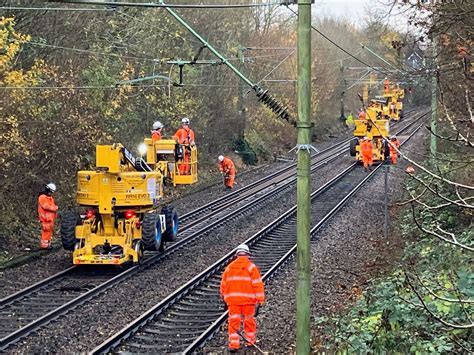
Beyond individual headline projects, Network Rail has embarked on a comprehensive infrastructure overhaul. These upgrades include station renovations, signal modernization, track replacements, and procurement of next-generation electric rolling stock.
The intention is clear: improve service punctuality, reduce maintenance disruptions, and create a more resilient network prepared for rising demand. With passenger numbers rebounding post-pandemic and environmental goals tightening, these upgrades are the unsung backbone of rail transformation.
Office of Rail and Road (ORR): Accountability and Passenger Advocacy
The Office of Rail and Road (ORR), the UK’s rail regulator, has issued an assertive 2025-2026 Business Plan aimed at bolstering performance and upholding passenger rights. Its focus includes data transparency, contractor oversight, and supporting delivery of industry reforms.
With a commitment to safety, efficiency, and customer satisfaction, the ORR is central to keeping the sector accountable. It is also tasked with monitoring key projects, including HS2 and East West Rail, ensuring they meet public value expectations.
Great British Railways (GBR): A New Era of Rail Governance
In a historic reform, the UK government is pressing ahead with the establishment of Great British Railways (GBR), a unified state-owned body set to manage both infrastructure and passenger services. This move intends to eliminate bureaucratic fragmentation, unify branding, and simplify fare structures.
The GBR model draws inspiration from integrated systems like Transport for London, where strategic control and public accountability go hand-in-hand. While still under consultation, GBR is envisioned to usher in an era of coherent, user-focused, and climate-resilient rail operations.
Forging the Future of UK Rail Travel
The railway renaissance unfolding in the UK in 2025 marks a profound shift in how the nation thinks about connectivity, sustainability, and economic development. Projects like HS2, East West Rail, and the South Wales Metro are more than transport upgrades — they are instruments of regional empowerment and environmental stewardship.
Each rail project aligns with broader goals: decarbonising transport, improving access to employment and education, and building resilience into national infrastructure. The integration of pioneering concepts like Coventry’s battery-powered trams and the establishment of oversight bodies like GBR demonstrate the UK’s readiness to lead Europe in next-generation rail systems.
As passengers begin to experience the tangible benefits of these projects, the rail industry is poised to reclaim its role as the backbone of national mobility. With continued political will, technological innovation, and stakeholder collaboration, Britain’s railway future looks dynamic, equitable, and thoroughly modern.