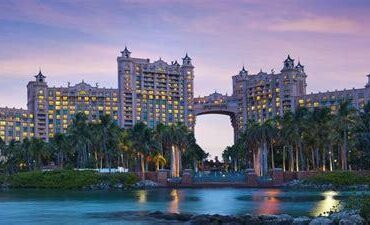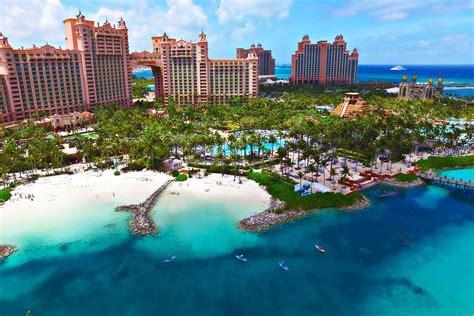
The Bahamas, celebrated globally for its breathtaking beaches and azure waters, is embarking on a transformative journey to redefine its tourism landscape. With a strategic shift aimed at moving “beyond the beach,” the Bahamian government is pioneering initiatives that seek to diversify the nation’s tourism offerings. Announced by Chester Cooper, the Deputy Prime Minister and Minister of Tourism, during the 2025/26 Budget Debate in the House of Assembly, this ambitious plan marks a significant pivot towards sustainable growth, increased visitor numbers, and enhanced tourism products across the islands.
While the stunning beaches have long been synonymous with the Bahamas, the government is intent on broadening the narrative of its tourism sector. The focus now extends to an array of experiences that include cultural, heritage, religious, adventure, sports, eco-tourism, space tourism, and tech-tourism. This comprehensive approach aims to create a more diversified tourism industry that thrives year-round, offering a plethora of opportunities not just for tourists but also for the Bahamian populace.
Establishment of the Tourism Development Corporation (TDC)
A cornerstone of this new tourism strategy is the establishment of the Tourism Development Corporation (TDC). Deputy Prime Minister Cooper emphasized that the creation of the TDC represents one of the most pivotal advancements in Bahamian tourism history. This new entity will be responsible for expanding and enhancing tourism products across all Bahama islands, from Nassau to the Family Islands.
The TDC is poised to create high-quality tourism experiences that transcend traditional beach vacations, thereby opening the country to innovative tourism avenues. The objective is clear: to ensure that the economic benefits of tourism are more evenly distributed across all regions of the Bahamas, moving away from the historical tourist paths leading to Nassau and Paradise Island.
A Fresh Perspective on Tourism: “Beyond the Beach”
While the allure of the Bahamas’ beaches remains undeniable, the government is keen to communicate that the islands boast much more to offer. Chester Cooper stated, “It’s about going beyond the beach and exploring all that the Bahamas has to offer.” The unique natural beauty, rich cultural history, and vibrant communities position the Bahamas perfectly for new types of tourism that can engage both locals and international visitors alike.
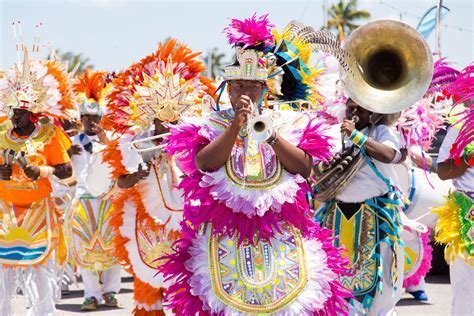
In Cooper’s vision for cultural tourism, he highlighted the significance of the Bahamas’ rich history, which encompasses its Indigenous roots, colonial influences, and contemporary cultural developments. Under the TDC’s guidance, plans are underway to establish museums, art galleries, and immersive cultural tours that allow visitors to truly experience the essence of Bahamian life. Heritage tourism will also gain prominence, with initiatives designed to showcase the nation’s historical landmarks, churches, and local customs.
Adventure tourism is set to become another focal point of this diversification effort. The Bahamas, known for its vast underwater cave systems, vibrant coral reefs, and expansive natural landscapes, is uniquely positioned to offer thrilling adventure opportunities such as hiking, kayaking, diving, and exploring some of the nation’s most remote and pristine locales. Furthermore, the burgeoning field of sports tourism is already taking root, as the Bahamas hosts international sailing events, golf tournaments, and marathons that draw participants and spectators from around the globe.
The introduction of eco-tourism will highlight the Bahamas’ unique biodiversity and conservation efforts, emphasizing sustainable tourism practices. Concurrently, the country is exploring the prospects of space tourism, tapping into the growing global fascination with space exploration and offering unparalleled experiences to those seeking high-end adventures.
Cooper reiterated that the development of these tourism avenues will not only enhance the country’s appeal but also generate jobs and new business opportunities for Bahamians, ensuring that the tourism sector contributes to broader national development.
Digital Landing Card: Enhancing Visitor Experience
To further streamline the travel experience, the Bahamian government is set to introduce a Digital Landing Card. This innovative digital system will integrate Customs and Immigration procedures into a single, seamless platform. The primary goal is to simplify the arrival process for visitors, reducing waiting times at entry points and elevating the overall travel experience.
The Digital Landing Card will bolster security by allowing for more efficient data sharing across government agencies, fostering a coordinated response to border control and immigration matters. Visitors will benefit from the ability to complete their landing information digitally, significantly reducing paperwork and wait times at entry points.
Having already received Cabinet approval, the rollout of this system is anticipated to make travel to the Bahamas more convenient, facilitating quicker access for tourists. Additionally, it will aid the government in collecting better data to monitor visitor trends, supporting the planning and development of future tourism initiatives.
Expanding Air Connectivity to the Family Islands
To bolster tourism beyond Nassau, the Bahamas is enhancing its air connectivity, particularly to the Family Islands. New flight routes from major Canadian cities such as Toronto, Montreal, Calgary, Ottawa, and Halifax have been introduced through partnerships with airlines like Air Canada, WestJet, and Sunwing. These new connections aim to make travel to the Bahamas more accessible and affordable, catering to a broader spectrum of international visitors.
Moreover, additional flights are being established from Florida to improve access to the Family Islands, especially during peak tourism seasons. The objective is to ensure that these smaller islands, which often miss out on the mass tourism directed toward Nassau, benefit from increased air access. The introduction of these new flight routes is expected to stimulate steady tourism growth in these less-explored regions, helping to distribute the economic benefits of tourism more equitably across the archipelago.
The Economic Impact of Tourism in the Bahamas
The tourism sector in the Bahamas has shown a remarkable recovery following the COVID-19 pandemic, with visitor numbers continuing to rise in recent years. In 2024 alone, the Bahamas welcomed over 11 million visitors, including more than 9 million cruise ship passengers. This surge in tourism was particularly notable within the cruise segment, which has historically served as a major revenue source for the country.
While air arrivals experienced a slight dip in the early months of 2025, the figures remained higher than pre-pandemic levels, indicating that recovery is progressing steadily. The government’s commitment to diversifying tourism offerings, enhancing air connectivity, and implementing technological innovations like the Digital Landing Card is expected to sustain this positive trajectory.
Tourism plays a crucial role in the Bahamian economy, contributing approximately 50% of GDP. With an emphasis on expanding the tourism sector through innovative initiatives, the Bahamas aims not only to increase visitor numbers but also to elevate the quality of the tourism experience, ensuring sustainable and long-term benefits for both the nation and its people.
Conclusion: A Transformative Era for Bahamian Tourism
Through its “Beyond the Beach” initiative, the Bahamas is redefining its tourism landscape, presenting visitors with a wealth of experiences that extend far beyond the iconic shores for which it is renowned. The establishment of the Tourism Development Corporation, the launch of the Digital Landing Card, and the expansion of air connectivity are just a few of the strategic measures the government is implementing to shape the future of tourism in the Bahamas. These efforts are designed to ensure that tourism remains a pivotal driver of economic growth, benefiting both local communities and the nation as a whole.
As the travel landscape continues to evolve, the Bahamas is positioning itself as a frontrunner in diversified tourism experiences, securing its status as an attractive destination for years to come.