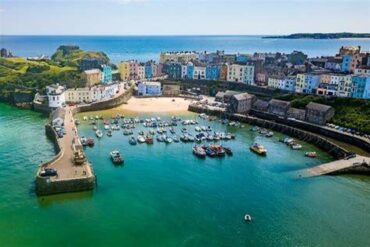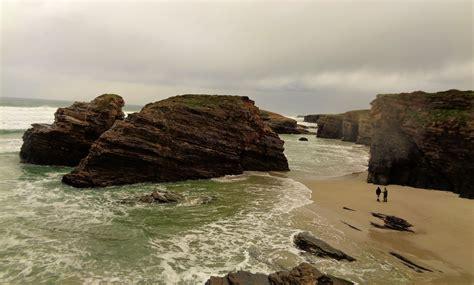
As summer approaches and the allure of Galicia’s pristine coastlines draws travelers from across the globe, one of the region’s most crucial priorities is to ensure that the natural beauty of A Mariña Lucense’s beaches remains intact for future generations. This coastal paradise, famed for its rolling dunes and rich biodiversity, is much more than a stunning destination—it’s a vital ecosystem. The Association of Municipalities of A Mariña Lucense has taken a proactive stance by launching the “Decalogue of Good Practices,” a set of guidelines designed to educate beachgoers on how to enjoy the area’s beaches responsibly while preserving their delicate environmental balance.
A Unique Coastal Ecosystem at Risk
A Mariña Lucense’s beaches are a haven for various plant and animal species, including the highly endangered black-bellied plover (Charadrius alexandrinus), a migratory bird that nests exclusively along the Spanish Cantabrian coast, with a strong presence in the region. The area’s dune systems provide essential habitats for these birds, especially during breeding seasons and migrations. These dunes, along with the region’s other protected natural spaces, make A Mariña Lucense a key site for nature tourism, attracting eco-conscious travelers eager to experience the beauty and biodiversity of Galicia’s coastline.
However, the growing popularity of the area as a tourist destination brings with it the potential for environmental degradation. Increased foot traffic, waste, and disturbances to wildlife can quickly damage fragile ecosystems. In light of this, the launch of the Decalogue of Good Practices is not just a guideline but an essential step in aligning tourism with conservation efforts.
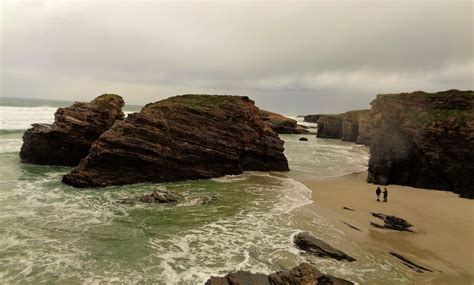
The Decalogue of Good Practices: A New Era for Sustainable Travel
The “Decalogue of Good Practices” outlines ten essential actions that all visitors to the beaches of A Mariña Lucense can take to minimize their environmental impact. These practices are not merely suggestions—they are integral to the region’s ongoing commitment to maintaining its natural beauty and biodiversity. By promoting these practices, the region is transforming the way beachgoers interact with the environment, ensuring that sustainable tourism becomes a cornerstone of the area’s travel experience.
- Respect the Beach’s Ecosystem: The first and most important step is recognizing that the beach is a sensitive natural habitat. Visitors are encouraged to view the beach not just as a recreational space but as a living ecosystem that requires protection.
- Stick to Designated Paths: To prevent the degradation of dunes, travelers are asked to use marked access points and avoid creating new paths through the dunes. These fragile areas are home to important plant life that helps maintain the beach’s integrity.
- Follow Local Signage: Information signs placed at beach entrances provide critical guidance on which areas to avoid. These signs help protect vulnerable species and educate visitors on the local flora and fauna.
- Minimize Wildlife Disturbance: For the protection of wildlife, especially the black-bellied plover, visitors are urged not to disturb nesting areas or engage with birds and other animals.
- Protect Dune Vegetation: The plants that grow on the sand dunes are vital to their stabilization. Stepping on them can erode the dunes, making them more vulnerable to the elements.
- Dispose of Waste Properly: Visitors are reminded to take their trash with them. Leftover food and waste can attract predators that may threaten local wildlife.
- Keep Pets Under Control: While pets are often a beloved part of the family, they should not be allowed to roam freely on the beach, as they can disturb nesting birds and other wildlife.
- Respect Protective Fencing: In designated areas, fences and barriers are placed to protect bird nests and fragile vegetation. These should never be crossed or tampered with.
- Report Nesting Sites: If visitors spot the rare Kentish plover nest in the dunes, they are encouraged to alert environmental authorities immediately.
- Spread the Word: The final point is a call for visitors to share their knowledge of the region’s conservation efforts with others, helping to amplify the message of preservation.
Transforming Ecotourism in A Mariña Lucense
The launch of the Decalogue of Good Practices represents a broader initiative to transform A Mariña Lucense into a leader in sustainable ecotourism. By fostering an understanding of the region’s environmental importance, the initiative is not just protecting nature but also ensuring that tourism continues to thrive in a responsible way. The region’s approach is already showing results. The A Mariña Lucense coast has become a popular destination for birdwatching, attracting nature enthusiasts and eco-tourists who value environmental integrity. The emphasis on sustainability aligns perfectly with the global trend towards responsible travel, where tourists increasingly seek destinations that promote environmental stewardship and cultural preservation.
With its spectacular beaches, wildlife-rich dunes, and coastal beauty, A Mariña Lucense is well-positioned to become a flagship destination for eco-friendly travel in Spain.
A Mariña Lucense’s Role in the Sustainable Tourism Landscape
The commitment to sustainability in A Mariña Lucense goes beyond beach conservation. The region’s broader tourism strategy is focused on promoting responsible practices across all aspects of travel, from eco-friendly accommodations to locally sourced gastronomy and tours that support biodiversity. The region has also embraced initiatives like the natureWatch A Mariña Lucense nature observation tourism forum, where industry experts, entrepreneurs, and conservationists gather to discuss ways to integrate sustainability into the travel experience. The event is part of the Sustainable Tourism Plan for A Mariña Lucense 2022-2024, which aims to develop ecotourism while preserving the region’s natural heritage. These efforts align with the European Union’s Green Deal and the Spanish government’s commitment to sustainable tourism. As the global travel market grows increasingly focused on sustainability, A Mariña Lucense is capitalizing on its natural assets to become a leading example of how tourism can coexist with environmental conservation.
Conclusion: A Vision for the Future of Travel
A Mariña Lucense is setting a new standard for how coastal destinations can balance tourism with environmental preservation. By implementing practical, easy-to-follow guidelines for visitors, the region is creating an inclusive travel experience that protects its natural resources while enhancing the quality of life for locals and tourists alike. This approach not only strengthens the region’s appeal as a travel destination but also ensures that the beaches and coastal ecosystems of A Mariña Lucense remain vibrant and resilient for generations to come. For those looking to experience Galicia’s coast, A Mariña Lucense offers a unique opportunity to enjoy nature’s wonders while contributing to the conservation of one of Spain’s most treasured landscapes. With its unwavering commitment to sustainability, this region is set to play a pivotal role in shaping the future of travel.