Seville, the vibrant capital of southern Spain’s Andalusia region, has long stood as one of Europe’s premier travel destinations—famous for its sun-soaked days, architectural splendor, and deep cultural heritage. However, while its sunshine once symbolized leisure and allure, it is now casting shadows of concern. Scientists warn that this historic city could face a dramatic environmental shift, possibly becoming a desert within the next few decades.
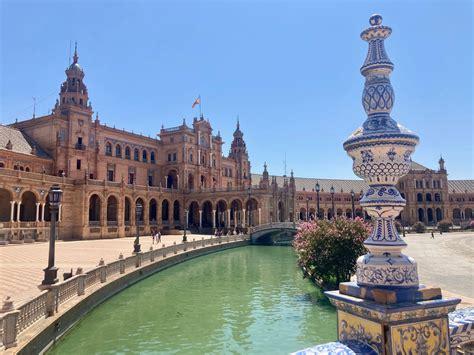
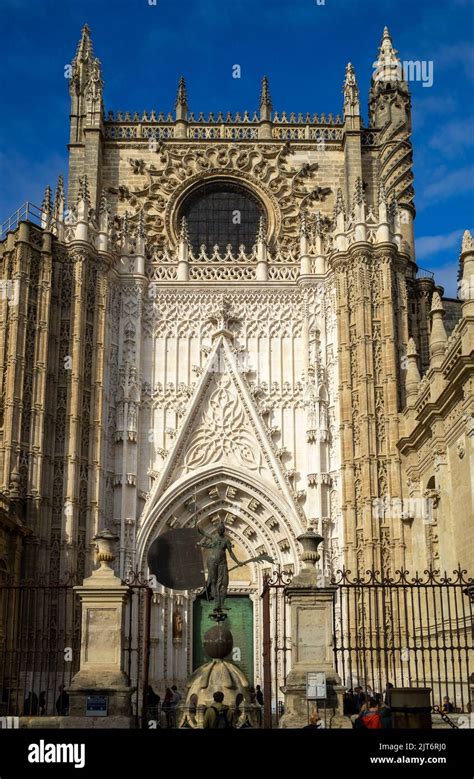
Renowned for its stunning landmarks like the Giralda bell tower, the Alcazar Royal Palace, and its grand Gothic cathedral, Seville draws millions each year. Tourists are lured not just by its artistic legacy and flamenco rhythms, but also by the promise of warm, sunny weather. March in Seville, for instance, offers an average of 12 hours of sunshine a day and comfortably mild temperatures around 21°C, making it an attractive escape from the gloomier skies of Northern Europe.
Yet, this idyllic climate takes a harsh turn in the summer. By late July and into August, Seville undergoes an intense seasonal transformation. Heatwaves drive temperatures to a sweltering 45°C, pushing conditions to the brink of what many can physically endure. The rising heat has forced both tourists and residents to alter daily habits, retreating indoors during the hottest hours and emerging only when the sun dips lower in the sky. August 2023 offered a clear warning of what may become the new normal. The city experienced extended spells of intense heat, with temperatures soaring to 40°C and hovering in the high 30s for several consecutive days. Such conditions aren’t just inconvenient—they can be dangerous, particularly for the elderly, children, pregnant women, and individuals with chronic health conditions.
Seville’s inland geography plays a critical role in this escalating climate pattern. Located away from the coast and nestled near mountain ranges, the city is especially vulnerable to hot, dry winds that blow in from North Africa. These winds, combined with stagnant air masses and the urban heat island effect, amplify already soaring temperatures. Meteorologists and climate scientists are now raising alarms that Seville could be on the path to desertification. Several experts have referred to it as the “Iberian oven,” a metaphor capturing not just the unbearable heat, but also the accelerating climate volatility.
According to recent assessments, the region is experiencing longer heatwaves, decreased rainfall, and persistent drought conditions—hallmarks of a transitioning semi-arid environment. With this potential future in mind, seasoned travelers are adjusting their itineraries. Spring and autumn have emerged as the best times to visit Seville, offering more bearable weather while still showcasing the city’s rich cultural offerings. Tourists who do arrive in summer are advised to stay indoors during the hottest hours—typically between noon and 7 p.m.—and instead enjoy Seville’s cooler and more festive evenings.
For those braving the midday heat, a few sanctuaries remain. The immense Seville Cathedral and the lush courtyards of the Alcazar provide welcome shade and cooler environments where visitors can marvel at centuries of architectural beauty while escaping the blistering sun.
Travel organizations are also stepping in to offer advice. The British Red Cross has shared seasonal guidance for those traveling to hot climates, urging preparation, hydration, and vigilance. Their warnings underscore the importance of recognizing symptoms of heatstroke and dehydration, highlighting how simple steps—like wearing light clothing, using sunscreen, and drinking plenty of water—can prevent health emergencies.
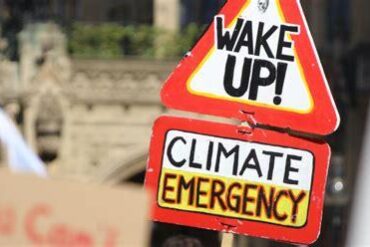
As climate change accelerates, Seville’s fate serves as both a cautionary tale and a call to action. The city remains a treasure of Spanish heritage, but its future may depend on how quickly both local authorities and global leaders respond to the broader climate crisis. For now, the city still enchants, but the clock is ticking—and the heat is rising. With the looming threat of desertification, the preservation of Seville’s unique identity and cultural richness will require urgent attention and proactive measures.
In conclusion, Seville stands at a crossroads. The very elements that make it a blazing tourist gem are also the ones that render it vulnerable to the harsh realities of climate change. If the trend continues unchecked, the vibrant streets filled with laughter, music, and life could soon echo the silence of a lifeless desert. The future of this magnificent city is not just in the hands of its inhabitants but also in the collective effort of the global community to combat climate change and safeguard the planet for generations to come.