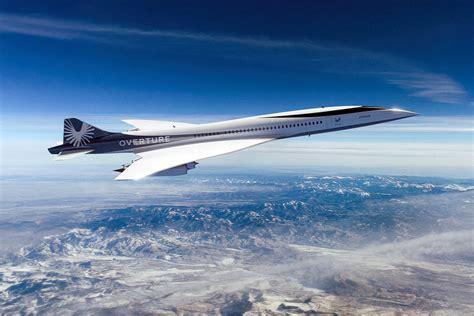
For decades, Concorde represented the ultimate dream of commercial aviation: a passenger aircraft capable of crossing the Atlantic in just a few hours while traveling faster than the speed of sound. It was an engineering masterpiece, a symbol of technological ambition, and a statement of national prestige. Yet despite its fame and technological achievements, Concorde remained a one-of-a-kind aircraft. After its retirement in 2003, the world entered a long era without supersonic passenger travel.
The absence of a successor was not because engineers forgot how to build fast aircraft. Instead, Concorde’s downfall came from a combination of economics, politics, regulations, environmental concerns, and changing airline priorities. The aircraft was created during a unique period when governments were willing to spend enormous resources chasing technological dominance. Modern aircraft manufacturers face a very different commercial reality.
Today, however, that situation is beginning to change. Advances in materials, engine technology, digital design, and sonic boom reduction are creating new opportunities for supersonic passenger aircraft. Companies such as Boom Supersonic and research programs from NASA are attempting to solve the exact problems that prevented Concorde from becoming a mainstream success.
Understanding why Concorde never received a true successor requires looking beyond the aircraft itself. The story is not simply about speed. It is about the relationship between technology, economics, and the aviation industry.
Concorde Was Never Designed Like a Normal Commercial Airliner
Concorde was born from political ambition rather than ordinary airline demand. During the 1960s, Britain and France were struggling to maintain their influence in an aviation market dominated by the United States. American manufacturers such as Boeing, Douglas, and Lockheed had become global leaders in commercial aircraft production, while European aerospace companies faced increasing pressure.
The answer was cooperation. In 1962, the British and French governments signed the Anglo-French Supersonic Transport Agreement, committing both countries to develop and produce a civil supersonic aircraft. The program later became one of the foundations for European aerospace cooperation and helped demonstrate that large international aircraft projects were possible.
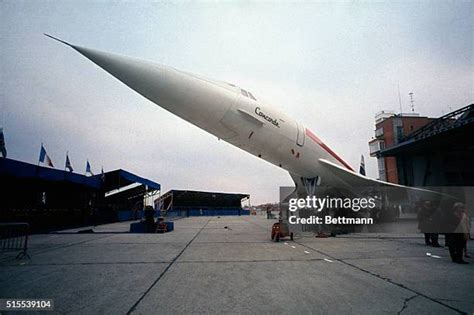
Unlike modern commercial aircraft programs, Concorde was not created because airlines demanded a faster replacement for existing jets. It was created because governments wanted technological leadership. The aircraft represented European industrial capability at a time when the continent was trying to compete with both the United States and the Soviet Union.
This explains why Concorde existed despite its challenging economics. The project was a national achievement first and a commercial product second.
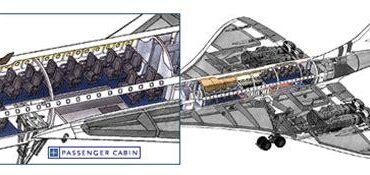
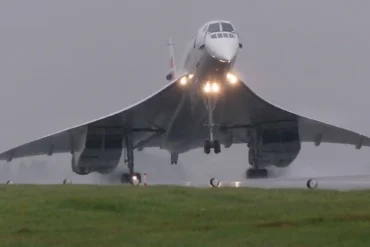
The aircraft itself was an extraordinary technical accomplishment. It featured a slender delta wing, advanced aerodynamic design, a drooping nose for pilot visibility during landing, and powerful Rolls-Royce/Snecma Olympus engines originally developed from military technology.
However, those achievements came with significant compromises. Concorde carried fewer passengers than conventional wide-body aircraft, consumed large amounts of fuel, and required expensive maintenance. It was built for speed, not efficiency.
Why the Soviet Union Built the Tu-144 Supersonic Passenger Jet
The Cold War created another unusual chapter in supersonic aviation history: the development of the Soviet Tupolev Tu-144.
During the 1960s, the United States, Europe, and the Soviet Union all believed supersonic passenger aircraft would define the future of aviation. The Soviet Union viewed the race as a matter of national prestige and ideological competition. Being first was considered strategically important.
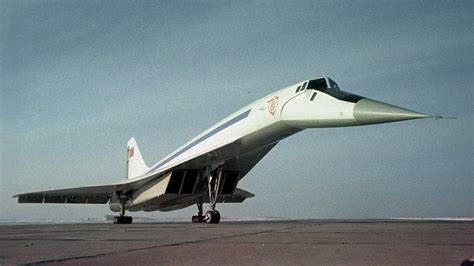
The Tu-144 first flew in 1968, slightly before Concorde’s first flight in 1969. However, the aircraft was developed under very different circumstances. Tupolev had extensive military aircraft experience but less experience producing large commercial passenger aircraft. The program prioritized speed and political symbolism over passenger comfort and operational practicality.
The Tu-144 suffered from reliability issues and gained international attention after crashing during the 1973 Paris Air Show. Although it later entered limited passenger service, it never achieved the commercial importance of Concorde.
The existence of the Tu-144 highlights an important point: supersonic aviation was not just an engineering challenge. It was also a political competition between nations trying to demonstrate technological superiority.
Why the United States Abandoned Its Supersonic Transport Program
The United States initially expected to dominate the supersonic passenger aircraft market. In 1963, President John F. Kennedy launched the Supersonic Transport program, encouraging American manufacturers to develop a competitor to Concorde and the Tu-144.
Boeing proposed the massive Boeing 2707, while Lockheed developed the L-2000 concept. These aircraft were more ambitious than Concorde, with higher passenger capacity and planned speeds approaching Mach 2.7.
However, the American approach faced growing opposition. The projects became increasingly expensive, environmental concerns intensified, and lawmakers questioned whether airlines would actually purchase such aircraft.
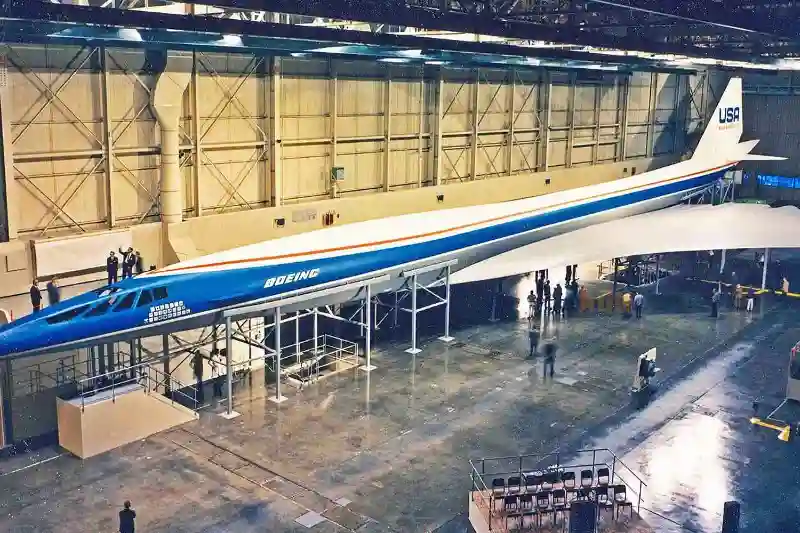
By 1971, Congress canceled the program after billions of dollars had already been spent. The decision reflected a growing realization that supersonic passenger aircraft were likely to become prestige projects rather than profitable commercial products.
At the same time, the aviation industry was moving in another direction. The introduction of aircraft such as the Boeing 747 changed global air travel by offering enormous passenger capacity at much lower operating costs. Airlines increasingly valued efficiency, range, and affordability rather than simply reducing flight time.
The future of aviation appeared to belong to large subsonic aircraft.
The Sonic Boom Problem Changed the Future of Supersonic Flight
One of Concorde’s greatest obstacles was not technology. It was the sound it created.
When an aircraft exceeds Mach 1, it produces shock waves that reach the ground as a sonic boom. For people living beneath flight paths, these powerful pressure changes could be disruptive and unpleasant.
During the 1960s, public opposition to sonic booms increased. The United States conducted sonic boom tests, including the famous Oklahoma City experiments, which showed that many communities strongly disliked repeated supersonic overflights.
As a result, the Federal Aviation Administration restricted civilian aircraft from flying faster than Mach 1 over land in the United States. This regulation severely limited the routes available to Concorde because many profitable international flights depended on crossing American territory.
Concorde eventually gained permission to operate between Europe and New York, but only after significant legal battles. Ironically, the New York route became the aircraft’s most famous service.
Why Concorde Failed to Create a New Supersonic Generation
By traditional commercial standards, Concorde was never a success. Only 20 aircraft were built, including prototypes, and just 14 entered airline service.
British Airways and Air France operated the aircraft, but governments absorbed much of the financial burden. Airlines did not purchase Concorde because they believed it would generate strong profits. Instead, they operated it because it represented prestige and strategic importance.
The aircraft eventually became profitable for British Airways, but that success depended on special circumstances, including government support and premium ticket pricing.
The fuel crisis of the 1970s made the situation even more difficult. Rising fuel prices highlighted Concorde’s biggest weakness: it consumed far more fuel per passenger than conventional aircraft.
Meanwhile, improvements in subsonic aviation continued rapidly. Modern wide-body jets became quieter, more efficient, and capable of flying longer distances. Aircraft such as the Boeing 787 Dreamliner and Airbus A350 offered airlines better economics than any possible Concorde replacement.
A successor would have needed to solve every major problem at once: lower fuel consumption, reduced noise, lower operating costs, improved environmental performance, and affordable maintenance.
For decades, no company could achieve that combination.
How Modern Technology Is Changing Supersonic Aviation
The return of supersonic passenger aircraft is based on a different philosophy from Concorde. The goal is no longer to replace conventional airline travel. Instead, new aircraft are targeting smaller premium markets where passengers are willing to pay significantly more for saved time.
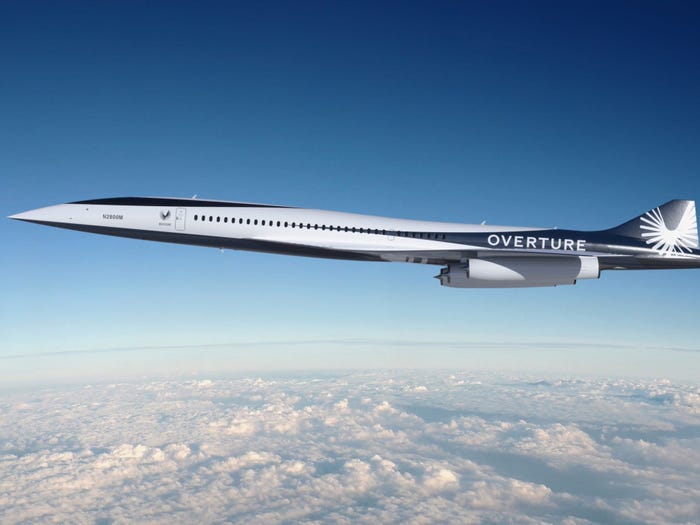
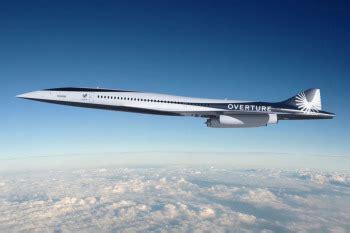
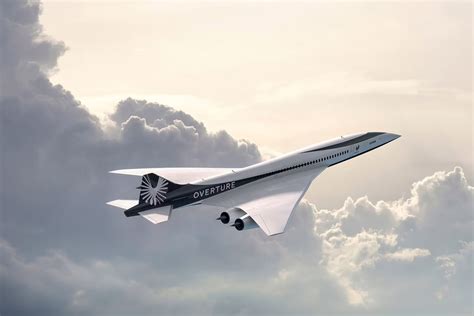
The most visible example is Boom Supersonic Overture, a planned aircraft designed to carry approximately 60 to 80 passengers at speeds around Mach 1.7. Unlike Concorde, Overture is designed around modern business realities, focusing on premium routes rather than mass transportation.
New technologies are helping make this possible. Lightweight composite materials reduce aircraft weight, advanced computer modeling improves aerodynamic efficiency, and modern manufacturing techniques lower development costs.
Another major breakthrough is sonic boom reduction. NASA’s X-59 QueSST research aircraft is designed to demonstrate quieter supersonic flight by reshaping shock waves produced by the aircraft.
If regulations change to allow more overland supersonic operations, the potential market could expand significantly.
The Future of Supersonic Travel Will Be Smaller and More Specialized
The next generation of supersonic aircraft will probably not look like Concorde. Instead of carrying hundreds of passengers between major cities, future aircraft may operate as premium transportation platforms connecting wealthy travelers and business customers.
Programs such as Boom Overture, Spike Aerospace’s S-512 business jet, and possible future Chinese supersonic aircraft projects show that interest in faster-than-sound travel has returned.
Even military organizations are exploring these technologies for specialized transport roles. The United States Air Force has shown interest in advanced supersonic aircraft concepts, including potential VIP transportation applications.
The biggest lesson from Concorde is that speed alone does not create a successful aircraft. A successful supersonic jet must balance performance with economics, environmental responsibility, and practical operations.
Concorde’s Legacy Is Finally Being Rewritten
Concorde did not fail because supersonic flight was impossible. It failed because the world was not ready for the economic realities of operating such an aircraft.
It arrived too early, using 1960s technology to solve a problem that required 21st-century solutions. The aircraft proved that passenger supersonic travel could work, but it also revealed why it could not become mainstream.
Today’s new generation of supersonic aircraft is not attempting to recreate Concorde. Instead, it is learning from its limitations.
The future of aviation may not be another Concorde carrying hundreds of passengers across oceans. It may be a smaller, more efficient, technologically advanced aircraft that finally makes supersonic travel commercially sustainable.
After more than two decades without a successor, the dream of faster-than-sound passenger flight is beginning to take shape again.