The aviation industry rarely sees aircraft return to active service once airlines move on to newer technology. Yet aviation history often proves that certain aircraft possess a unique blend of performance and versatility that keeps them relevant long after production ends. One such aircraft is the Boeing 757, a jet that continues to defy expectations decades after its introduction.
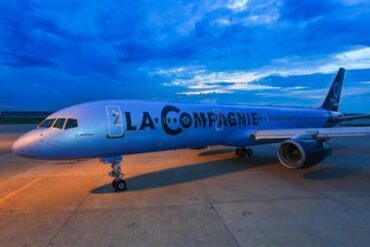
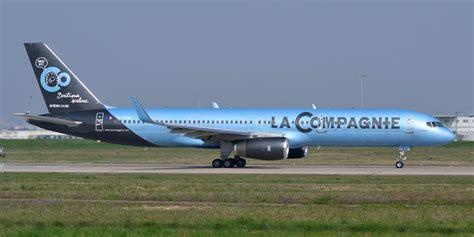
In an intriguing move that has captured the attention of aviation analysts and travelers alike, La Compagnie, the boutique French all-business-class airline, has decided to bring the Boeing 757 back into its fleet for selected operations in summer 2026. At first glance, the decision might appear to be a step backward in an era dominated by next-generation aircraft such as the Airbus A321neo. However, a closer look reveals a carefully calculated operational strategy that highlights the enduring strengths of the iconic jet.
Rather than abandoning modernization plans, La Compagnie is temporarily reintroducing the aircraft to address very specific operational needs. These include peak summer demand across the Atlantic, additional capacity on routes between Paris, Milan, and Newark, and special travel arrangements linked to the airline’s partnership with the French national football team ahead of the 2026 FIFA World Cup.

What emerges from this decision is a fascinating story not just about a single airplane, but about how fleet strategy, luxury travel demand, and niche airline business models intersect. The comeback of the Boeing 757 demonstrates that even in a highly modernized aviation environment, the right aircraft can still find a meaningful role.
The Boeing 757: A Unique Aircraft That Bridged Two Eras of Aviation
When Boeing introduced the 757 program in the late 1970s, the aircraft was designed to replace aging narrow-body jets like the Boeing 727 while offering greater range and efficiency. What Boeing ultimately delivered, however, was something more unusual: a jet that effectively bridged the gap between traditional narrow-body aircraft and wide-body long-haul planes.
The Boeing 757-200, the most widely produced variant, entered service in 1983 and quickly gained recognition for its impressive capabilities. It could carry more passengers than typical single-aisle jets while also flying much farther distances. This combination allowed airlines to deploy it across a wide variety of missions.
Unlike many aircraft that specialize in a particular type of route, the 757 proved capable across multiple operational scenarios. Airlines used it for high-density domestic routes, long transcontinental flights, and even thin transatlantic services where wide-body aircraft would have been too large or inefficient.
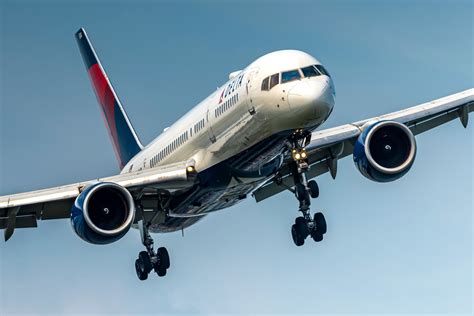
This unusual flexibility turned the aircraft into what many analysts describe as a “middle-of-the-market” airplane. It occupied a unique position between aircraft like the Boeing 737 and larger wide-body jets such as the Boeing 767.
The design also incorporated powerful engines and an aerodynamic wing, giving the aircraft remarkable performance characteristics. Pilots often praised the jet for its strong climb capability and long-range efficiency, attributes that made it ideal for challenging airports and demanding routes.
Over time, the aircraft built a loyal following among airlines and aviation enthusiasts alike. Even after production ended, the 757 continued flying for decades, proving that versatility and reliability can extend an aircraft’s operational life far beyond expectations.
Understanding La Compagnie’s Unique Airline Business Model
To understand why the Boeing 757 fits so well within La Compagnie’s operations, it is essential to examine the airline’s distinctive business model.
Founded in 2013 under the name Dreamjet, La Compagnie entered the aviation market with a bold idea: offer all-business-class transatlantic flights at prices significantly lower than traditional premium fares. Rather than competing with major airlines on scale, the company focused on delivering a more intimate and personalized travel experience.
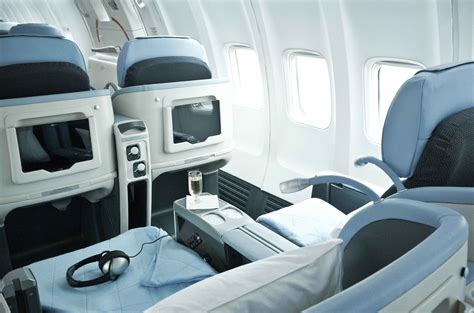
Its first commercial flight took place on July 21, 2014, connecting Paris-Orly Airport with Newark Liberty International Airport using a Boeing 757-200 configured entirely with business-class seats.
From the start, the airline avoided the traditional airline model of large route networks and multiple cabin classes. Instead, it targeted a specific group of travelers:
- Business professionals traveling between Europe and New York
- Leisure travelers seeking premium comfort at lower prices
- Passengers who prefer smaller, boutique airline experiences
The strategy allowed the airline to offer lie-flat seats, lounge access, and personalized service without the high costs associated with operating large wide-body aircraft.
Over time, La Compagnie expanded beyond its original route. The airline now operates services from Paris, Milan, and seasonal flights from Nice, all centered around Newark as its primary North American gateway.
By 2026, the airline had already carried over 600,000 passengers and completed more than 11,000 transatlantic flights, demonstrating that its niche model has proven sustainable.
Why the Boeing 757 Was Perfect for La Compagnie
The Boeing 757 was not simply a convenient choice for La Compagnie—it was nearly tailor-made for the airline’s original concept.
The airline required an aircraft capable of crossing the Atlantic reliably while maintaining a cabin size small enough to preserve the exclusive feel of a boutique carrier. Wide-body aircraft such as the Boeing 767 or Airbus A330 would have introduced too many seats and higher operating costs.
The 757 provided a near-perfect solution.
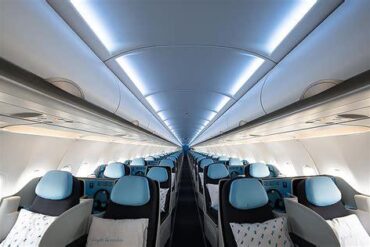
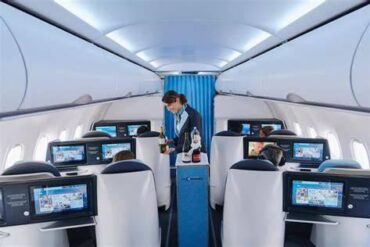
La Compagnie configured its aircraft with 76 fully lie-flat business-class seats, creating an onboard environment that balanced comfort with exclusivity. Because the aircraft was a narrow-body jet, the cabin felt more intimate than the sprawling layouts typical of larger aircraft.
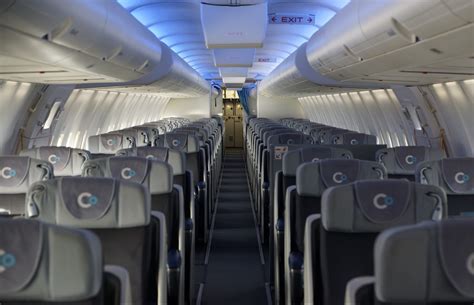
This configuration allowed the airline to sell a premium experience while still maintaining manageable operational costs. At the same time, the aircraft’s range allowed it to fly direct transatlantic routes without restrictions, connecting European cities with New York efficiently.
In many ways, the Boeing 757 helped define the airline’s identity. It enabled La Compagnie to operate a luxury-focused airline without the overhead normally associated with premium long-haul travel.
Why Most Airlines Eventually Retired the Boeing 757
Despite its impressive performance, the Boeing 757 gradually disappeared from many airline fleets over the past decade. The primary reason was not a lack of capability but rather changing economic realities within the aviation industry.
Boeing officially ended production of the aircraft in 2004, leaving airlines with no direct replacement model available from the manufacturer. As fleets aged, maintaining the aircraft became increasingly complex and expensive.
At the same time, new aircraft technologies began to reshape airline economics. Manufacturers introduced next-generation narrow-body jets that dramatically improved fuel efficiency and operating costs.
For example, Airbus claims the A321neo delivers roughly 20% lower fuel burn and carbon emissions per seat compared with previous-generation aircraft. These improvements quickly made older jets like the 757 less attractive for airlines focused on long-term efficiency.
Environmental considerations also played a growing role. Airlines faced increasing pressure to reduce carbon emissions, and modern aircraft provided a clear pathway toward meeting sustainability targets.
As a result, many carriers began replacing their aging 757 fleets with aircraft such as:
- Airbus A321neo
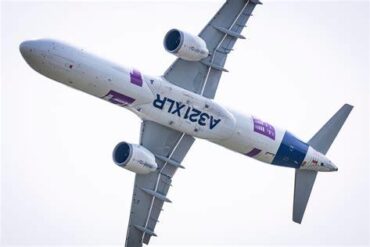
- Airbus A321XLR
- Boeing 737-10
These aircraft could perform similar missions with significantly lower operating costs, making them the logical choice for fleet modernization.
The Transition to the Airbus A321neo
La Compagnie eventually followed the same modernization trend when it introduced the Airbus A321neo into its fleet in 2019. The decision aligned closely with broader industry developments, as airlines worldwide began embracing the new generation of fuel-efficient narrow-body jets.
The A321neo offered several advantages that directly improved the airline’s business model. Most notably, the aircraft consumed around 30% less fuel than older aircraft, dramatically lowering operating costs for transatlantic flights.
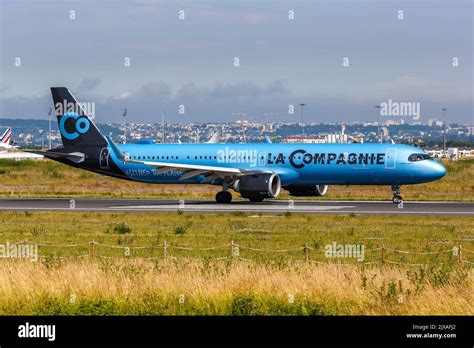
The aircraft also allowed La Compagnie to enhance the passenger experience. The cabin featured 76 redesigned lie-flat seats, improved lighting, quieter engines, and modern onboard connectivity systems.
These improvements helped the airline maintain its premium brand image while also strengthening its financial sustainability.
The transition did not represent a failure of the Boeing 757. Instead, it reflected a natural evolution as newer aircraft finally became capable of matching the 757’s mission profile while delivering superior efficiency.
Why the Boeing 757 Is Returning in 2026
The decision to reintroduce the Boeing 757 in 2026 is not a reversal of strategy but rather a pragmatic response to specific operational needs.
During the busy summer travel season, demand for transatlantic flights typically increases significantly. Airlines often require additional capacity to handle this surge without permanently expanding their fleets.
La Compagnie’s solution is to lease a Boeing 757 from Icelandair, allowing the airline to temporarily increase capacity while maintaining operational flexibility.
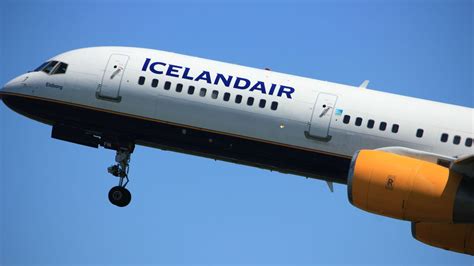
Several factors make the aircraft particularly suitable for this role:
- Long-range narrow-body performance ideal for transatlantic routes
- Cabin size compatible with the airline’s 76-seat business-class layout
- Operational compatibility with existing route structures
- Availability through short-term leasing arrangements
Another key factor involves the airline’s partnership with the French national football team, which will require premium travel arrangements ahead of the 2026 FIFA World Cup. Transporting athletes and staff in comfort demands an aircraft capable of delivering both luxury and efficiency.
The Boeing 757’s cabin size and range once again make it an ideal tool for these specialized missions.
A Jet That Refuses to Fade Away
Few aircraft in commercial aviation history have demonstrated the enduring relevance of the Boeing 757. Even decades after its introduction, the aircraft continues to prove that thoughtful design and operational flexibility can outlast changing industry trends.
For La Compagnie, the temporary return of the aircraft highlights the importance of selecting tools that match a specific mission profile. The airline operates a niche service that values comfort, exclusivity, and efficient transatlantic performance, and the 757 still excels in those areas.
While the Airbus A321neo remains the airline’s long-term fleet strategy, the Boeing 757 demonstrates that older aircraft can still deliver meaningful value when deployed in the right context.
Rather than representing a step backward, the aircraft’s return illustrates how smart fleet management often involves blending new technology with proven platforms.
The Bottom Line: A Strategic Revival Rather Than a Nostalgic Comeback
La Compagnie’s decision to bring back the Boeing 757 is not about nostalgia. It is about strategic flexibility within a specialized airline model.
The aircraft remains uniquely capable of performing the exact missions the airline needs during peak travel periods. By leasing the jet rather than purchasing additional aircraft, the carrier preserves financial discipline while ensuring it can meet seasonal demand.
At the same time, the move reinforces the broader legacy of the Boeing 757. Few aircraft have demonstrated such a remarkable ability to remain relevant across multiple decades and evolving airline strategies.
In an aviation industry obsessed with the newest technology, the story of the Boeing 757 serves as a reminder that true innovation often creates designs that stand the test of time.
For travelers flying with La Compagnie in the summer of 2026, that legacy will once again be visible at cruising altitude—proving that sometimes, the best aircraft for the job is one that has already proven itself thousands of times before.
Frequently Asked Questions
Why is La Compagnie bringing back the Boeing 757?
La Compagnie is leasing the aircraft to provide additional capacity during the summer 2026 travel season and to support specialized travel linked to the French national football team and the 2026 FIFA World Cup.
Does La Compagnie still operate the Airbus A321neo?
Yes. The Airbus A321neo remains the airline’s primary aircraft, offering better fuel efficiency and modern passenger amenities. The Boeing 757 is being used only temporarily.
Why was the Boeing 757 discontinued?
Boeing ended production in 2004 due to declining demand and the emergence of more fuel-efficient aircraft. However, many airlines continued operating the jet for years because of its exceptional range and versatility.