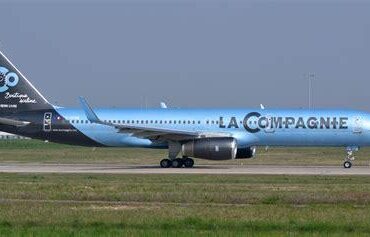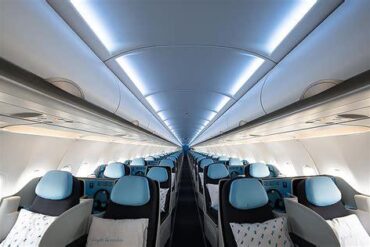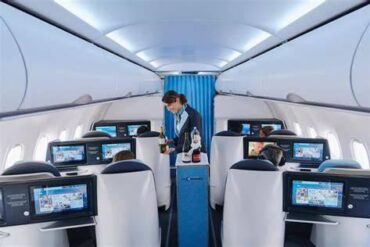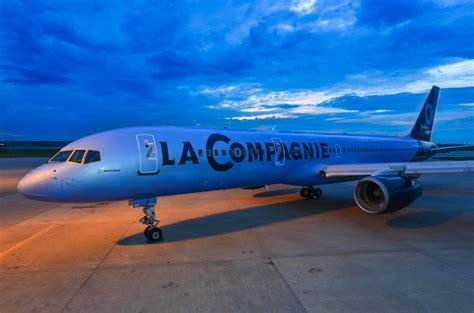
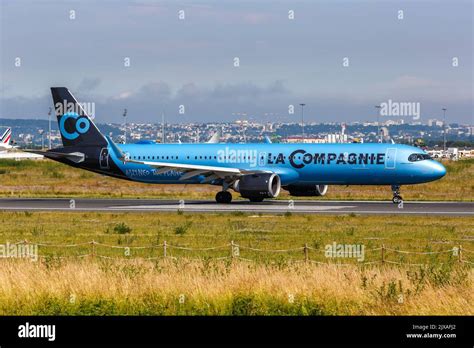
La Compagnie has always been an unusual creature in commercial aviation: a boutique airline built around a single idea—all-business-class transatlantic travel at a focused scale. Founded in 2014, the French carrier operates a tiny fleet of two Airbus A321neo aircraft yet manages to punch far above its weight in premium transatlantic markets. Now the airline is preparing its most ambitious seasonal expansion yet, temporarily adding a leased Boeing 757-200 to support a record number of flights between Europe and the United States during the summer 2026 travel surge.
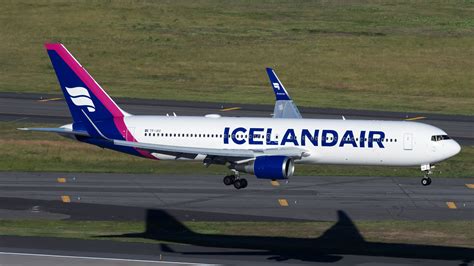
The strategy is elegantly pragmatic. Demand for premium seats between Europe and the United States continues to surge, especially during major global events and peak leisure periods. Rather than permanently expanding its fleet, La Compagnie will temporarily supplement capacity with a leased aircraft from Icelandair. The result is a carefully targeted capacity boost designed to maximize revenue during the busiest months of the year without altering the airline’s deliberately small footprint.
This leased aircraft will operate for two specific windows: from June 5 to June 27, coinciding with major global sporting events driving travel demand, and again from September 2 to October 1 as late-summer business travel rebounds. During these periods the aircraft is scheduled to perform 54 flights, strengthening the airline’s transatlantic presence without disrupting its streamlined business model.
A Strategic Return of the Boeing 757 to La Compagnie
Although the airline currently flies only modern A321neos, the Boeing 757 is hardly a stranger to the brand. In fact, the aircraft type formed the backbone of La Compagnie’s early operations. When the airline launched transatlantic service in 2014, the 757 provided the ideal platform: long-range capability, manageable operating costs, and a cabin wide enough for comfortable all-business seating.
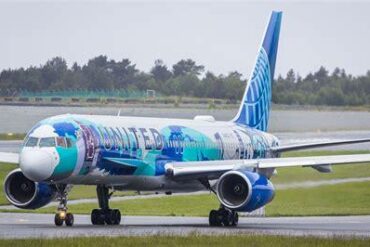
The leased aircraft expected for the 2026 season—likely registration TF-FIA—carries an intriguing history. Delivered originally to Iberia in 2000, the aircraft later joined Icelandair’s fleet in 2007 and operated scheduled passenger services for more than a decade. After leaving regular airline service around 2023, the aircraft was reconfigured for charter and specialist operations, making it a flexible candidate for seasonal leasing.
La Compagnie’s schedule submission indicates the aircraft will feature approximately 76 seats, closely mirroring the capacity of the airline’s A321neo fleet. Maintaining a similar seat count allows the carrier to preserve consistent premium service standards across aircraft types while avoiding operational complexity.
Transatlantic Routes Targeted for Peak Demand
The leased 757 will operate on two key transatlantic routes linking Europe’s business and leisure markets with the New York metropolitan area.
Flights will run between Paris Orly Airport and Newark Liberty International Airport as well as between Milan Malpensa Airport and Newark. These routes represent some of the airline’s most strategically valuable connections, linking financial centers and luxury travel destinations with the United States’ largest premium travel market.
Notably absent from the 757 deployment is the airline’s service from Nice to Newark. That route will remain fully operated by the A321neo fleet, reflecting its strong and growing demand profile. By assigning the leased aircraft to Paris and Milan flights, La Compagnie effectively frees up its A321neos to expand capacity elsewhere in the network.
World Cup Travel Surge Drives Capacity Increase
June 2026 will be a particularly intense month for transatlantic travel due to the global influx of fans attending the 2026 FIFA World Cup across North America. For airlines serving premium travelers—corporate executives, media teams, sponsors, and high-net-worth fans—the tournament represents an enormous demand spike.
La Compagnie plans 63 departures between Paris, Milan, and Newark in June alone, combining the leased 757 with its existing A321neo operations. That represents more than a 25% increase compared with the same month the previous year.
The numbers reveal something even more striking. Across all routes, the airline expects to operate 86 North American departures during June 2026, marking the highest monthly capacity in the airline’s history. Even the carrier’s previous record month—set before the pandemic in September 2019—will be exceeded by roughly five percent.
Nice–Newark Growth Signals Expanding Luxury Demand
While the leased aircraft draws attention, the more subtle story may be unfolding in southern France. Flights between Nice and Newark are growing rapidly, reflecting the region’s rising appeal among affluent travelers.
Last June the route saw just nine departures. For June 2026 the airline plans 23 flights, representing a dramatic 155% increase in service. Part of this demand likely comes from the influential Cannes Lions International Festival of Creativity, one of the world’s most prominent gatherings for global advertising and media leaders.
Events like Cannes Lions transform the French Riviera into a hub of executive travel, precisely the demographic La Compagnie targets with its all-business-class concept.
A Boutique Airline Scaling Carefully
Despite the summer expansion, La Compagnie remains committed to a deliberately small and focused fleet strategy. Operating only two A321neos allows the airline to maintain tight cost control, streamlined maintenance, and a consistent onboard experience.
Seasonal leasing of aircraft such as the Boeing 757 offers a clever workaround. Instead of permanently expanding the fleet—a major financial commitment—the airline can temporarily scale capacity during moments of intense demand.
In the complex economics of transatlantic aviation, that approach resembles a carefully tuned instrument. The airline remains small, nimble, and highly specialized—yet capable of surging capacity precisely when premium demand explodes.
In a world dominated by megacarriers and sprawling global alliances, La Compagnie’s strategy proves something fascinating about aviation economics: sometimes the smartest move is not to grow endlessly, but to expand only when the universe of travelers briefly aligns.