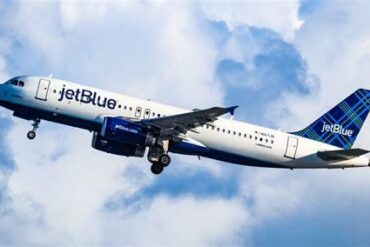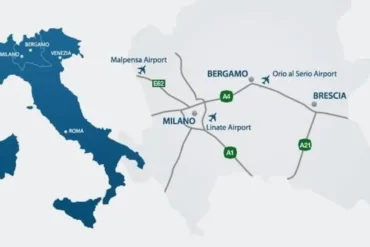
JetBlue Airways is entering a new chapter in its transatlantic strategy with the launch of its longest nonstop flight ever, a 3,810-mile service linking Boston Logan International Airport and Milan Malpensa Airport. Beginning May 11, the seasonal daily route marks the airline’s first-ever destination in Italy and pushes the carrier deeper into the increasingly competitive Europe-US market.
The new connection is more than a symbolic milestone. It reflects JetBlue’s aggressive effort to strengthen Boston as its primary international gateway while positioning its Airbus A321LR fleet on longer, premium-focused routes traditionally dominated by legacy carriers. The Milan service will operate through October 5 and immediately becomes the longest route in JetBlue’s network, surpassing the recently launched Boston–Barcelona service.
For travelers departing New England, the route opens a direct path to one of Europe’s most influential business and fashion capitals without the need for connections through larger alliance hubs. For JetBlue, it represents another calculated expansion into lucrative long-haul markets where demand for premium leisure travel remains exceptionally strong.
The airline’s overnight departure from Boston leaves at 5:30 PM and arrives in Milan at 7:15 AM the following morning after a scheduled block time of seven hours and 45 minutes. The return flight departs Milan at 10:00 AM and lands in Boston at 12:47 PM, lasting eight hours and 47 minutes westbound due to prevailing winds over the Atlantic.
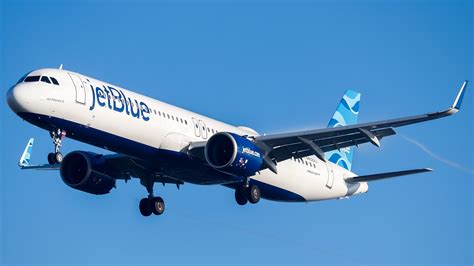
JetBlue’s Airbus A321LR Takes Center Stage On Longest Route
The aircraft operating the route is central to JetBlue’s European ambitions. Its Airbus A321LR allows the airline to profitably serve thinner long-haul markets without deploying larger widebody aircraft such as the Airbus A330 or Boeing 787 used by competitors.
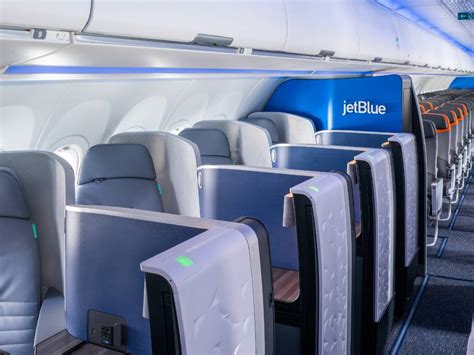
Inside the aircraft, JetBlue continues emphasizing a boutique-style premium experience. The cabin features 24 Mint business-class suites, including two spacious Mint Studio seats at the front of the aircraft. These lie-flat seats provide direct aisle access, upgraded bedding, and larger personal spaces designed to compete directly with established premium transatlantic products.
Economy passengers benefit from one of the roomiest cabins in the narrowbody long-haul segment, with up to 34 inches of legroom, complimentary high-speed WiFi, seatback entertainment screens, and access to a self-service snack station. Larger overhead bins also improve the boarding experience on overnight international flights, an increasingly important factor as airlines attempt to maximize cabin efficiency.
JetBlue’s strategy differs sharply from many ultra-low-cost competitors. Rather than stripping away amenities, the airline has leaned heavily into passenger comfort while maintaining comparatively competitive fares across the Atlantic.
Boston Emerges As JetBlue’s European Gateway
The Milan launch further strengthens Boston Logan as JetBlue’s most important international hub. This summer, the carrier plans to operate up to nine daily nonstop European departures from Boston, an extraordinary expansion considering the airline only entered the transatlantic market a few years ago.
Its current European destinations now include:
- Milan
- Barcelona
- Madrid
- Paris
- Amsterdam
- London Heathrow
- London Gatwick
- Edinburgh
Boston has become the ideal platform for this growth. The airport offers strong premium demand, a large student population, thriving biotech and financial industries, and less congestion than New York-JFK. JetBlue has steadily used these advantages to carve out market share against larger global airlines.
The addition of Milan also becomes JetBlue’s 77th nonstop destination from Boston, reinforcing the city as one of the carrier’s most strategically valuable focus cities.
Competition Intensifies On US–Italy Routes
JetBlue will not have the Boston–Milan market to itself. Delta Air Lines already operates a seasonal nonstop route between the two cities using its Airbus A330-900neo, creating immediate competition on pricing, loyalty programs, and onboard product quality.
However, JetBlue’s Mint cabin has consistently received strong reviews for delivering a premium experience at fares often lower than legacy rivals. That value proposition could prove especially attractive to leisure travelers heading to Italy during the busy summer tourism season.
The timing is notable as airlines across the Atlantic continue chasing surging European demand. Italy remains one of the strongest post-pandemic travel markets, with Milan serving as both a business hub and a gateway to destinations such as Lake Como, the Italian Alps, and Northern Italy’s luxury tourism sector.
JetBlue appears increasingly confident that smaller, premium-heavy narrowbody aircraft can successfully challenge traditional widebody operations on transatlantic routes. The airline’s network decisions suggest it sees sustained profitability in carefully selected European destinations rather than broad alliance-driven expansion.
JetBlue’s Longest Flights Reflect A Larger Strategy
The Boston–Milan service now leads JetBlue’s list of longest routes, ahead of Boston–Barcelona and New York–Paris. That ranking illustrates how rapidly the airline’s network has evolved from primarily domestic leisure flying into serious international competition.
While JetBlue recently exited some European markets, including New York-JFK to Amsterdam and London Gatwick, the airline has simultaneously doubled down on Boston-based expansion. The result is a more concentrated but potentially more sustainable international strategy focused on routes where the carrier believes its product can stand out.
For passengers, the launch means another nonstop option across the Atlantic. For JetBlue, it represents something larger: proof that a low-cost carrier can stretch beyond traditional boundaries and compete directly on some of the world’s most demanding international routes.