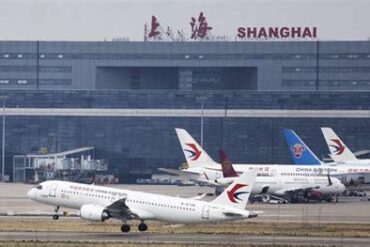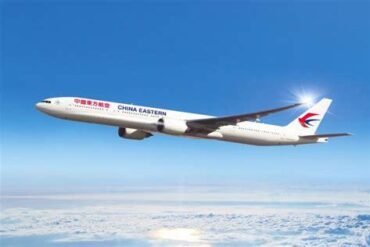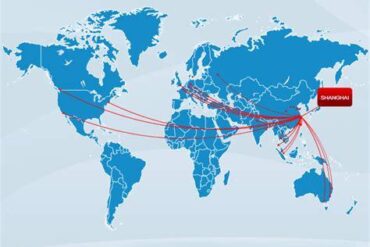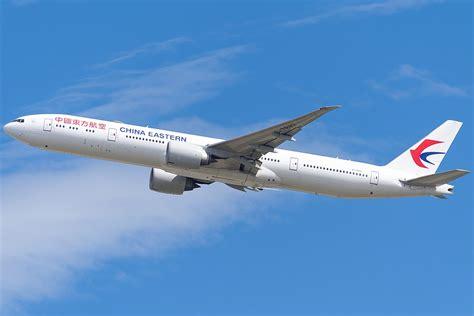
Dublin is preparing to redefine its long-haul aviation profile with the arrival of a 5,800-mile nonstop connection to Shanghai, a route that will soon stand as the longest direct flight ever operated from the Irish capital. Operated by China Eastern Airlines, this service is more than just a new city pair—it represents a strategic expansion of Eurasian connectivity and a clear signal of Ireland’s growing relevance in global aviation networks.
The new route, scheduled to begin on July 20, will link Shanghai Pudong International Airport (PVG) with Dublin Airport (DUB) three times per week. Using the highly efficient Airbus A350-900, China Eastern is positioning the service as both commercially viable and operationally optimized, taking advantage of airspace access that allows for a near great-circle routing between the two cities.
With a distance of approximately 5,819 nautical miles (10,777 kilometers), this route overtakes Dublin’s current longest nonstop service to Los Angeles, operated by Aer Lingus. The shift is not merely symbolic; it reflects a pivot toward deeper Asia-Europe integration, where Dublin increasingly serves as a western gateway.
Shanghai–Dublin Route: A Strategic Leap in Connectivity
The operational schedule reveals a carefully designed long-haul offering tailored for both business and leisure travelers. Departing Shanghai at 1:40 AM, flight MU231 arrives in Dublin at 8:00 AM, enabling same-day onward connections across Europe and North America. The return leg, MU232, departs Dublin at 10:55 AM, landing in Shanghai at 6:00 AM the following day.
Flight durations are equally notable, with the westbound journey clocking in at 13 hours and 20 minutes, while the eastbound return benefits from favorable winds, reducing travel time to 12 hours and 5 minutes. These timings position the route competitively among long-haul transcontinental services.
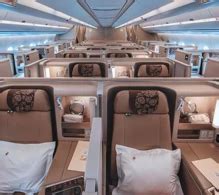
Crucially, China Eastern’s ability to utilize Russian airspace allows for a more direct routing than many Western carriers currently enjoy. This advantage translates into shorter flight times, reduced fuel burn, and improved passenger comfort, reinforcing the airline’s competitive edge on this corridor.
Ireland–China Aviation Ties Enter a New Phase
Behind the launch lies a broader diplomatic and economic framework. The route was made possible through a strengthened Air Service Agreement between Ireland and China, underscoring the importance of bilateral cooperation in aviation expansion.
Peter Burke, Ireland’s Minister for Enterprise, Tourism and Employment, highlighted the significance of the development, noting that China represents a major growth market for Ireland. The introduction of a direct Shanghai link is expected to stimulate trade, tourism, and investment flows, particularly as both economies seek deeper engagement.
This new connection also enhances the SkyTeam alliance network, of which China Eastern is a member. By integrating Dublin into its expanding European footprint—now spanning 14 destinations across 12 countries—the airline is effectively weaving Ireland into a broader global connectivity web.
How It Compares: Beijing Service and Existing China Links
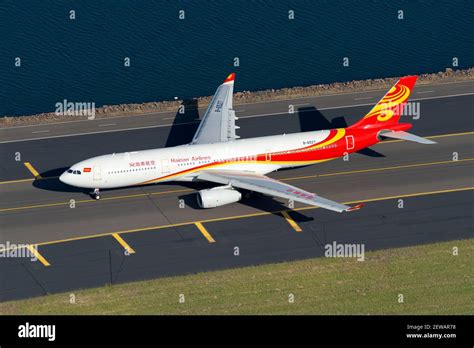
Dublin is no stranger to long-haul links with China. Hainan Airlines has been operating flights between Beijing Capital International Airport (PEK) and Dublin since 2018. Initially launched with a mix of direct and fifth-freedom services via Edinburgh, the route has since evolved into a fully nonstop operation, reflecting sustained demand.
Currently running four weekly flights, the Beijing service is set to temporarily increase to daily frequency during the summer peak, highlighting the strength of the Ireland–China travel market. However, at roughly 5,100 nautical miles, the Beijing route falls significantly short of the new Shanghai service in both distance and operational complexity.
The contrast between the two routes illustrates a broader trend: Shanghai’s emergence as a global financial and commercial hub makes it a particularly valuable destination for direct connectivity. While Beijing offers political and cultural significance, Shanghai brings a powerful combination of business demand and international reach.
Dublin’s Expanding Long-Haul Network
The Shanghai launch is part of a wider expansion of Dublin Airport’s long-haul offerings. Irish flag carrier Aer Lingus has been actively growing its transatlantic network, with new routes to Pittsburgh and Raleigh-Durham recently added. These developments reinforce Dublin’s position as a key North Atlantic hub.
Geography plays a decisive role here. Dublin’s western location makes it one of the most efficient European gateways for flights to North America. Even more compelling is its U.S. Preclearance facility, which allows passengers to complete immigration procedures before departure, arriving in the United States as domestic travelers.
This combination of geographic advantage and passenger convenience gives Dublin a unique competitive edge, especially when paired with new long-haul routes extending eastward into Asia.
Seasonal services also contribute to the airport’s dynamic network. Earlier this year, Aer Lingus operated a Cancún route to mark diplomatic milestones, demonstrating how aviation can intersect with cultural and political initiatives.
A Defining Moment for Dublin Aviation
The introduction of a nonstop Shanghai service marks a defining milestone for Dublin Airport. It is not just about distance, although becoming home to a 5,800-mile route is undeniably impressive. It is about positioning Dublin as a truly global hub, capable of bridging continents with efficiency and ambition.
As airlines continue to recalibrate their networks in a shifting geopolitical and economic landscape, routes like Shanghai–Dublin highlight where future growth lies. Direct, long-haul connectivity between secondary yet strategically located cities is becoming increasingly valuable—and Dublin is stepping confidently into that role.
For travelers, businesses, and the aviation industry alike, this route is more than a new line on a map. It is a statement of intent, signaling that Dublin is ready to compete on the world stage, one ultra-long-haul flight at a time.