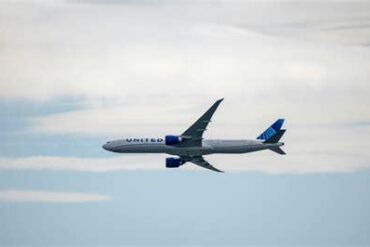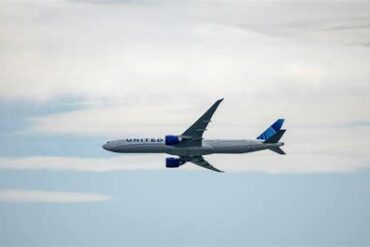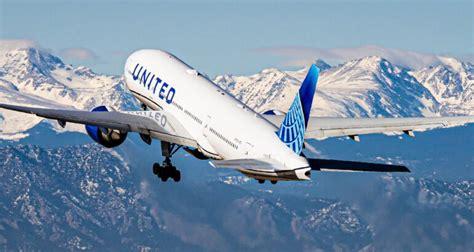
In a strategic push that solidifies its transatlantic dominance, United Airlines is significantly expanding its footprint in Ireland, unveiling year-round nonstop flights between Chicago O’Hare and Dublin Airport, while boosting frequency between Newark and the Irish capital. The move not only reflects growing transatlantic travel demand but also underscores the airline’s commitment to strengthening its global connectivity through key hubs.
United, a founding member of the Star Alliance, is no stranger to the U.S.–Ireland corridor, but this announcement dramatically enhances its presence. A nearly 50% capacity increase will allow United to offer more seats to Ireland than any other U.S. carrier, surpassing both Delta and American Airlines. This intensified focus on Dublin serves dual strategic purposes: improving passenger choice and maximizing feeder traffic to and from United’s vast network across the Americas.
Dublin Becomes a Year-Round Priority for United Airlines
For decades, Dublin has served as a crucial gateway between Europe and North America. With passenger demand consistently exceeding pre-pandemic levels, the addition of year-round daily service from Chicago and an almost year-round second daily flight from Newark represents a calculated investment in high-yield markets.
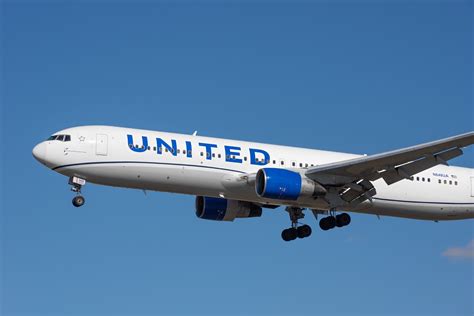
Previously, United’s Dublin operations were mostly confined to seasonal schedules, peaking during the summer months. However, effective this year, the airline is committing to winter operations as well, capitalizing on growing off-season demand and a stronger U.S.–Ireland business and leisure travel market. The winter schedule from Chicago will be operated by the Boeing 767-300ER, while the 787-8 Dreamliner will take over during the summer, offering passengers modern amenities and enhanced fuel efficiency.
From Newark Liberty International Airport, the backbone of United’s transatlantic gateway strategy, the airline will deploy a mix of Boeing 757-200s and Boeing 777-200ERs, balancing operational flexibility with capacity. This ramp-up in service means travelers can expect 14 weekly flights from Newark in peak months—an aggressive stance that directly targets competitor share.
Washington-Dublin: A Quiet but Significant Addition
While the Newark and Chicago expansions grab headlines, a quieter but equally strategic piece of this expansion puzzle is United’s second daily flight from Washington Dulles to Dublin. Although Dulles may not match Newark in terms of total transatlantic volume, it remains a powerful hub for federal and diplomatic travel, as well as tech and consulting firms with cross-Atlantic interests.
This route will be flown using Boeing 757-200s, aircraft well-suited for mid-range international sectors. The Washington-Dublin link also underscores United’s emphasis on providing year-round transatlantic access from a diversified set of U.S. cities—not just the usual suspects on the Eastern Seaboard.
US Preclearance: A Competitive Advantage for Dublin and Shannon
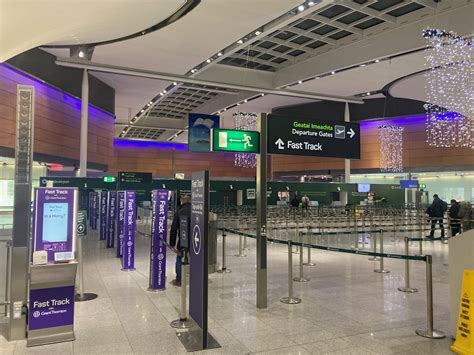
One of the underappreciated but vital enablers of the U.S.–Ireland travel boom is U.S. Customs and Border Protection Preclearance, available at both Dublin and Shannon airports. This feature allows travelers to clear U.S. immigration and customs on Irish soil, enabling them to arrive stateside as domestic passengers. For business travelers on tight schedules or families looking to avoid lengthy lines after a long-haul flight, preclearance is a game-changer.
United’s senior management recognizes this. Karolien De Hertogh, United’s Sales Director for the UK and Ireland, described Dublin as a “cornerstone of United’s global network,” emphasizing the convenience and customer satisfaction that preclearance enables. For an airline that prides itself on seamless global connectivity, Dublin is now more important than ever.
United Dominates Transatlantic Market Share to Ireland
With this latest ramp-up, United Airlines will offer over 83,900 seats annually between the U.S. and Ireland—outpacing Delta’s 76,985 and American Airlines’ 58,734, according to aviation analytics firm Cirium. This is a dramatic reshaping of the competitive landscape, especially considering American’s Ireland service is entirely concentrated on Dublin, while Delta splits its flights between Dublin and Shannon.
United’s expanded schedule is not an isolated development. It follows a broader pattern of aggressive transatlantic expansion, with the carrier recently adding new nonstop services to underserved European and global destinations such as Palermo, Bilbao, Madeira, Nuuk, and Ulaanbaatar. These secondary and tertiary city launches are not merely about novelty; they reflect United’s data-driven approach to identifying high-potential routes overlooked by legacy rivals.
Seasonal Services to Shannon: A Niche but Strategic Complement
While Dublin remains the crown jewel, United is also maintaining a seasonal presence at Shannon Airport (SNN). Located on Ireland’s western edge, Shannon offers a gateway to the Wild Atlantic Way, a prime tourist corridor for American travelers. Seasonal flights from Chicago and Newark to Shannon cater to a different demographic: leisure travelers seeking a direct connection to Ireland’s countryside, coastlines, and heritage towns.
These flights are also operated with the Boeing 757-200, which, despite its age, remains a workhorse in the transatlantic narrowbody space. The availability of U.S. preclearance at Shannon adds further value, giving travelers on United’s seasonal services the same seamless entry experience they would have from Dublin.
Fleet Mix: Matching Aircraft to Route Dynamics
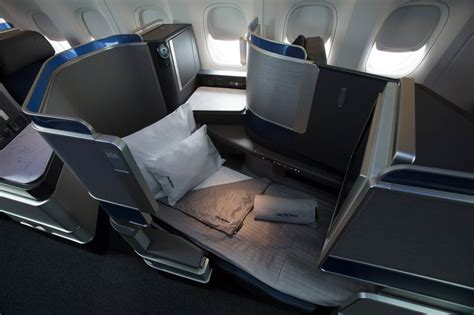
United’s choice of aircraft for its Irish operations highlights the careful optimization of fleet deployment. From Chicago, only widebody jets are used—reinforcing the importance of premium cabin sales and cargo capacity. The Boeing 767-300ER, though nearing retirement, is configured with Polaris business class and Economy Plus, suiting business travelers and high-yield leisure passengers alike.
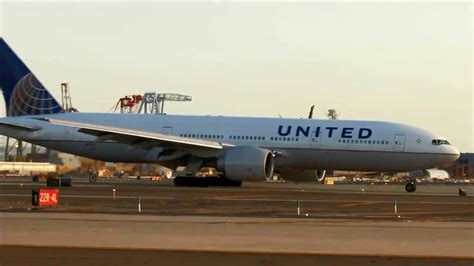
For the summer season, the Boeing 787-8 Dreamliner brings improved fuel efficiency, reduced emissions, and quieter cabins—an attractive proposition for environmentally conscious flyers. From Newark, a mix of narrowbodies and widebodies ensures maximum flexibility, adjusting capacity in line with seasonal fluctuations. The use of the 777-200ER, one of United’s long-haul stalwarts, on select Newark–Dublin flights underscores the volume and prestige of the route.
Strategic Implications: Beyond Just Passenger Traffic
This expansion goes beyond merely shuttling more tourists and business travelers across the Atlantic. United’s decision to double down on Dublin positions it as a linchpin in the airline’s broader network strategy. Ireland’s geographic location, political stability, and robust bilateral aviation agreements make it a highly strategic transatlantic waypoint.
By increasing connectivity from hubs like Chicago and Newark, United not only captures origin-destination traffic but also channels European travelers into its vast North American network of over 140 destinations. This hub-and-spoke leverage is particularly effective from Newark, where connections to mid-sized U.S. cities like Pittsburgh, Charlotte, and Raleigh are abundant.
The increased seat count and frequency also serve another function: supporting cargo operations. With Ireland’s strong pharmaceutical and tech export sectors, widebody aircraft flying westbound from Dublin can carry high-value goods to North American markets, improving aircraft utilization and route profitability.
Competitive Landscape: United’s Transatlantic Momentum
United’s latest move puts pressure on both Delta Air Lines and American Airlines, who have taken a more conservative stance toward transatlantic expansion post-COVID. While Delta has added summer flights to Shannon and Aer Lingus continues to be a dominant Ireland-based player, no U.S. airline currently matches United’s route diversity and seat count into Ireland.
Competitors will now need to reevaluate their positions, particularly as United secures the premium business travel segment by offering better scheduling options and a superior onboard product through its Polaris business class.
Final Thoughts: United’s Irish Investment Sets New Benchmarks
In one of its most significant transatlantic updates in recent years, United Airlines has elevated Ireland to strategic priority status, not just for the summer season, but year-round. With an optimized fleet, strong hub integration, and the unique advantage of U.S. preclearance, the airline has transformed Dublin from a profitable seasonal route to a cornerstone of its global network.
As air travel rebounds and corporate and leisure demand grows, United’s aggressive expansion ensures it remains the transatlantic carrier of choice for those traveling between the U.S. and Ireland. It is a clear signal to the industry: United Airlines is not just back—it’s redefining what transatlantic travel looks like in a post-pandemic world.