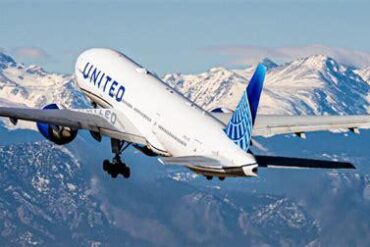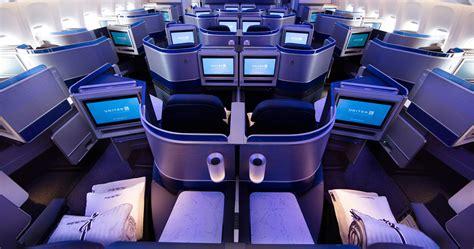
Flying across the Atlantic in United Polaris business class between Newark Liberty International Airport (EWR) and London Heathrow Airport (LHR) represents one of the most recognizable premium travel experiences in modern aviation. The route is not simply another business-class market. It is one of United Airlines’ most strategically important international corridors, where corporate demand, premium cabin competition, and frequent flyer economics all collide.
A round-trip United Polaris ticket from Newark to London in 2026 does not have one fixed price. The final cost depends on whether the traveler pays cash, redeems MileagePlus miles, uses an upgrade instrument, or combines multiple strategies to reduce the expense. While advertisements may highlight attractive one-way award opportunities, the complete round-trip journey reveals a much more complicated pricing structure.
For many travelers, the eastbound flight from Newark to London appears surprisingly affordable when using miles. However, the return journey from London introduces additional costs, especially government-imposed taxes and fees. Understanding these hidden elements is essential before deciding whether a Polaris redemption represents genuine value or simply an expensive way to cross the Atlantic.
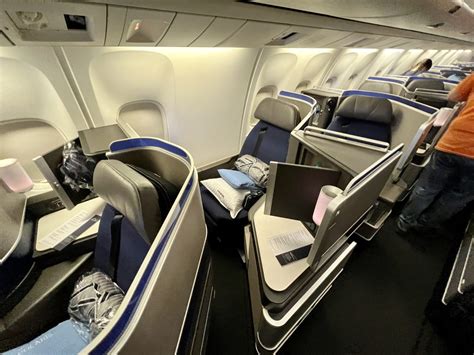
The True Cost of a United Polaris Round-Trip Ticket in 2026
The cash price of a United Polaris round-trip ticket between Newark and London typically falls within the premium business-class pricing range of major international airlines. Standard fares commonly fluctuate between $4,500 and $6,500 round trip, although prices can move significantly higher during peak travel periods, major business events, and holiday seasons.
Unlike economy tickets, where price differences can sometimes be predictable, business-class fares are controlled by sophisticated revenue management systems. United adjusts Polaris pricing according to remaining seat inventory, corporate demand, booking patterns, and competitive pressure from carriers operating similar New York–London services.
A traveler booking several months in advance may find a lower promotional business-class fare, while a last-minute corporate traveler could pay substantially more. The same aircraft, same seat, and same route can have completely different prices depending on the timing of purchase.
For frequent flyers, however, the cash price tells only part of the story. United Polaris is heavily connected to the airline’s MileagePlus loyalty program, creating alternative ways to access the cabin without paying the full retail fare.
A typical one-way Polaris award between Newark and London may require approximately 70,000 MileagePlus miles, although dynamic pricing means availability and costs can change. In some cases, travelers may find lower redemption opportunities, while peak demand periods can push required mileage significantly higher.
The challenge appears when converting that one-way strategy into a true round trip. The return journey from London carries additional financial obligations that can dramatically change the overall economics.
Why the London to Newark Return Flight Costs More
The biggest surprise for many travelers is that a round-trip Polaris award is not simply double the cost of one one-way redemption. The westbound return from London introduces a significant expense through the United Kingdom Air Passenger Duty (APD).
Flights departing the United Kingdom for destinations beyond 2,000 miles are subject to this government tax, and premium cabin passengers pay a higher rate than economy travelers. Business-class passengers flying long-haul routes can face an additional charge of roughly £244, or around $300-plus depending on currency exchange rates.
This means a traveler using miles for a Polaris award may still need to pay several hundred dollars in cash before receiving the ticket. The mileage requirement may appear attractive, but the total financial calculation must include these unavoidable charges.
For cash passengers, the tax is already incorporated into the advertised fare. For award travelers, it appears as a direct out-of-pocket cost during booking, making the redemption feel much less like a “free flight.”
This difference is one reason why experienced MileagePlus members evaluate award tickets based on the total value received rather than simply the number of miles spent. A 70,000-mile redemption can be excellent if a business-class ticket normally costs thousands of dollars, but the value decreases if taxes and fees become excessive.
Why United Polaris Still Delivers Strong Value on a Short Transatlantic Flight
The Newark–London route is relatively short compared with many other intercontinental services. The flight frequently takes less than seven hours eastbound because of favorable jet stream conditions. That limited flight time creates an interesting challenge: passengers have fewer hours to enjoy the premium cabin experience.
Unlike longer flights from the United States to Asia or the Middle East, there may not be enough time to fully experience every part of the Polaris service. A passenger might finish dinner, relax briefly, and then need to prepare for arrival.
However, the value of Polaris extends far beyond the aircraft cabin.
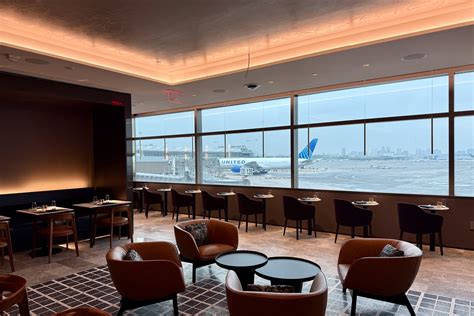
United has invested heavily in premium ground services, particularly at Newark. Eligible passengers can access the United Polaris Lounge, where the experience begins before boarding. Instead of relying entirely on the aircraft meal service, travelers can enjoy restaurant-style dining before departure and use the flight primarily for rest.
After arriving at Heathrow Terminal 2, eligible passengers can continue the premium experience through United’s arrival services. Shower facilities, breakfast options, and other amenities help business travelers transition directly into their day without requiring immediate access to a hotel.
For a route under seven hours, these ground advantages become an important part of the overall Polaris value proposition. The premium experience is not only about the seat. It is about reducing travel fatigue before and after the flight.
The Boeing 767 High-J Advantage on Newark London Flights
United’s Newark–London operation is unusual because the airline dedicates a large amount of premium cabin capacity to this specific market. Unlike many international routes where business class occupies a relatively small portion of the aircraft, this corridor is designed around high-value travelers.
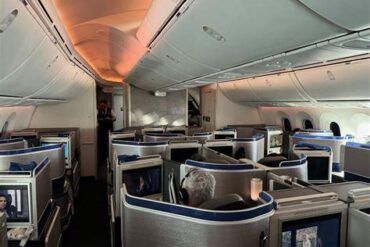
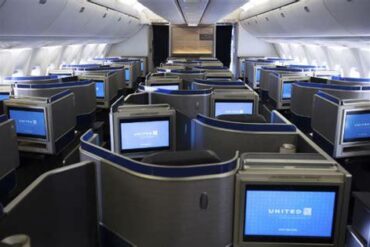
The Boeing 767-300ER High-J configuration demonstrates this strategy. While many Boeing 767 aircraft historically carried smaller business-class cabins, United’s high-density premium configuration includes approximately 46 Polaris seats.
This creates a significant amount of business-class inventory flying across the Atlantic every day. The additional capacity can improve availability for upgrades and award bookings compared with routes where airlines offer only a small number of premium seats.
For MileagePlus members, this supply can become a major advantage. More seats do not guarantee an upgrade or award seat, but they create more opportunities than many other international routes.
The route’s heavy corporate demand also means United has strong motivation to maintain frequent service and premium inventory. New York and London remain two of the world’s most important financial centers, generating consistent demand from executives, consultants, and international businesses.
How Much Does a United Polaris Upgrade Cost in 2026?
Travelers who cannot find an affordable Polaris award often consider upgrading an existing economy or premium economy ticket. However, upgrade pricing is no longer based on simple fixed charts.
United uses dynamic pricing models that consider fare class, elite status, demand, and remaining Polaris availability. As a result, upgrade costs can vary significantly from one passenger to another.
A common upgrade approach involves using MileagePlus miles combined with a cash co-payment. Depending on the original ticket and availability, travelers may need tens of thousands of miles plus several hundred dollars.
The cheapest economy fares usually have the weakest upgrade priority. Higher-priced economy tickets often receive better treatment because United’s revenue system recognizes their higher value.
Elite status also plays an important role. Premier members receive priority over non-status travelers, especially when multiple passengers compete for limited Polaris seats.
For travelers specifically targeting an upgrade, paying slightly more for a flexible economy fare may sometimes produce better results than purchasing the cheapest possible ticket.
The Arrival of United’s Elevated Boeing 787-9 Polaris Experience
While most Newark–London flights continue to rely on existing Polaris-equipped aircraft, United’s next-generation premium cabin introduces a new level of competition.
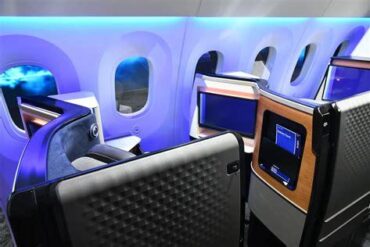
The airline’s Elevated Boeing 787-9 Dreamliner represents the future direction of its international business-class product. The aircraft includes a significantly expanded premium cabin with approximately 64 Polaris suites and eight Polaris Studio suites.
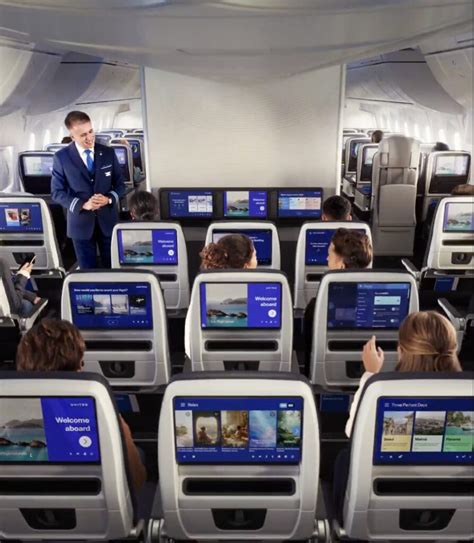
The Polaris Studio is designed as an enhanced business-class experience, offering additional personal space, a larger footwell, and an ottoman that can support dining with a companion. The cabin also features larger entertainment screens and upgraded technology.
Although the aircraft rollout is gradual, these improvements show United’s intention to compete more aggressively in the premium international market. Routes with strong corporate demand, including Newark–London, are natural candidates for future upgrades.
However, travelers should understand that aircraft assignment can change. A booking may advertise Polaris service, but the exact onboard experience depends on the aircraft operating the flight on that specific day.
Is United Polaris Newark to London Worth the Price in 2026?
The answer depends on how the ticket is purchased and what the traveler values most.
For a business traveler arriving directly into meetings, the ability to sleep in a lie-flat seat, access premium lounges, and avoid airport stress can justify the expense. Time saved and productivity gained may outweigh the high ticket price.
For leisure travelers, the calculation is different. Spending thousands of dollars on a short overnight flight requires careful consideration. A strong mileage redemption, especially when combined with a reasonable tax payment, can provide much better value than paying the full cash fare.
The strongest value often comes from travelers who understand the entire ecosystem: award availability, upgrade strategies, elite benefits, aircraft schedules, and lounge access.
United Polaris on the Newark–London route is not simply a seat upgrade. It is a complete premium travel package built around convenience, sleep quality, and reduced travel friction.
In 2026, the realistic cost of a United Polaris round-trip ticket from Newark to London ranges from an expensive cash purchase to a carefully optimized mileage redemption. The final price depends on strategy, but the experience remains one of the benchmark business-class options connecting the United States and Europe.