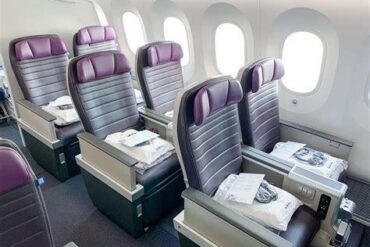
For years, booking a business class seat on a United Airlines Boeing 787 meant purchasing a relatively predictable premium experience. A lie-flat bed, Polaris Lounge access, premium dining, checked baggage, and flexible travel conditions all existed under one expensive but straightforward fare structure. In 2026, that equation has changed dramatically.
United Airlines has effectively reshaped the economics of long-haul business travel by fragmenting Polaris into multiple fare layers, introducing a stripped-down entry category that looks increasingly similar to the “basic economy” model that transformed coach cabins a decade ago. Travelers can still secure a fully flat seat across the Atlantic or Pacific aboard the Boeing 787 Dreamliner, but the total value proposition now depends entirely on which fare bucket they purchase and what compromises they are willing to tolerate.
The result is a more confusing premium marketplace where the advertised ticket price often disguises the real cost of the experience. A traveler booking the cheapest Polaris fare may technically sit in the exact same seat as someone paying thousands more, yet receive a substantially diminished ground experience, reduced flexibility, and tighter baggage restrictions.
As United aggressively expands its Boeing 787 international network in 2026, understanding the true cost of a Polaris business class seat has become essential for anyone planning long-haul travel.
Why United’s Polaris Pricing Looks Completely Different In 2026
United’s current premium strategy revolves around segmentation. Instead of selling one unified business class product, the airline now offers several layers of Polaris pricing designed to target different categories of travelers.
The cheapest option, commonly marketed as Base Polaris, exists primarily for passengers who care most about the onboard seat itself. The logic is simple: many travelers prioritize sleeping horizontally on a 10-hour overnight flight more than they value airport lounge access or flexible ticket conditions.
That shift has allowed United to advertise lower entry prices while simultaneously charging extra for services that were previously included automatically.
At first glance, the strategy appears attractive. Travelers browsing airfare search engines suddenly see Polaris fares that are several hundred or even several thousand dollars cheaper than traditional business class pricing from previous years. However, the lower sticker price masks an increasingly complicated structure of restrictions and ancillary fees.
A Base Polaris ticket generally removes:
- Polaris Lounge access
- Complimentary advance seat assignments
- Flexible itinerary changes
- Refund eligibility
- Second checked bag allowance
The physical seat onboard remains identical, but almost everything surrounding the flight experience changes.
For United, this structure creates enormous revenue opportunities. For travelers, it creates a far more complicated buying decision.
How Much A United Polaris Seat Actually Costs In 2026
The true cost of Polaris depends heavily on route demand, travel season, aircraft type, and how far in advance the reservation is made. United’s Boeing 787 fleet operates many of the airline’s flagship international services, including premium routes linking Newark, San Francisco, Chicago, Los Angeles, and Washington Dulles with Europe and Asia.
On paper, entry-level Polaris pricing appears more accessible than before. In reality, premium fares remain extraordinarily expensive once travelers begin adding back the services removed from the cheapest tier.
Typical 2026 round-trip pricing on United’s Boeing 787 routes currently falls into these approximate ranges:
| Route | Base Polaris | Standard Polaris | Flexible Polaris |
|---|---|---|---|
| Newark – London Heathrow | $3,400 | $4,600 | $5,200+ |
| San Francisco – Tokyo Narita | $6,500 | $8,000 | $9,000+ |
| Chicago – Frankfurt | $3,900 | $5,100 | $6,000+ |
| Los Angeles – Sydney | $7,200 | $9,300 | $10,500+ |
Those figures fluctuate constantly due to dynamic pricing systems, but they illustrate how aggressively United separates its premium fare categories.
The gap between Base Polaris and Flexible Polaris can easily exceed several thousand dollars on ultra-long-haul routes. Ironically, many travelers end up rebuilding the premium experience manually through ancillary purchases, shrinking the initial savings considerably.
For example, adding seat selection fees, extra baggage, and lounge access can rapidly erode the value advantage of the lower-tier ticket.
That dynamic is exactly what United intends.
What You Lose With Base Polaris
The most controversial element of United’s new pricing strategy is the removal of Polaris Lounge access from Base Polaris fares.
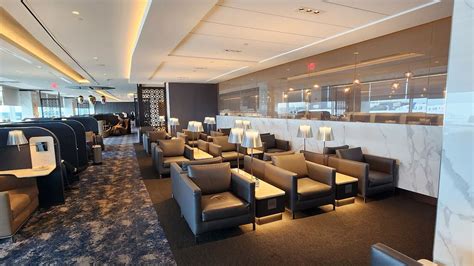
That decision fundamentally changes the premium travel experience because United’s Polaris Lounges are widely regarded as some of the strongest business class lounges operated by a U.S. airline. Locations at Newark, Chicago O’Hare, San Francisco, Houston, and Washington Dulles offer restaurant-style dining, shower suites, quiet seating areas, premium cocktails, and private relaxation zones.
Removing access creates a noticeably downgraded pre-flight environment.
Instead of entering the Polaris Lounge, Base Polaris passengers are redirected to standard United Club lounges, which are often significantly more crowded and less luxurious. For many travelers, particularly those embarking on 12-to-15-hour international flights, that downgrade feels substantial.
Seat selection restrictions also create hidden frustrations.
Because complimentary advance seat assignments are removed from Base Polaris, travelers risk being automatically assigned less desirable seats closer to lavatories, galley traffic, or high-noise sections of the cabin. On overnight flights, those small details can dramatically affect sleep quality.
Additionally, baggage restrictions now matter far more than before. Traditional Polaris fares include two checked bags, but Base Polaris typically reduces that allowance to one. Travelers carrying extra luggage for extended business trips or international vacations may suddenly face substantial additional charges.
The most dangerous restriction, however, involves ticket flexibility.
Base Polaris fares are frequently non-refundable and prohibit itinerary changes. A single schedule disruption, work conflict, or missed connection can instantly destroy the value proposition of the cheaper fare.
A traveler who saves $1,000 upfront could ultimately lose far more if plans suddenly change.
Inside The Boeing 787 Polaris Cabin Experience
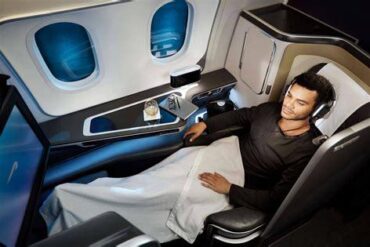
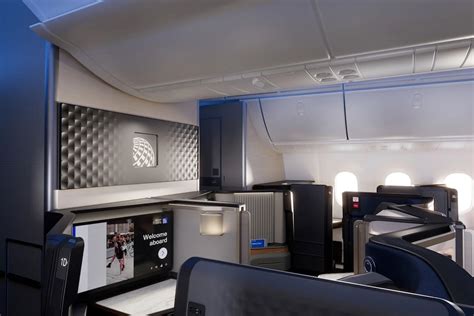
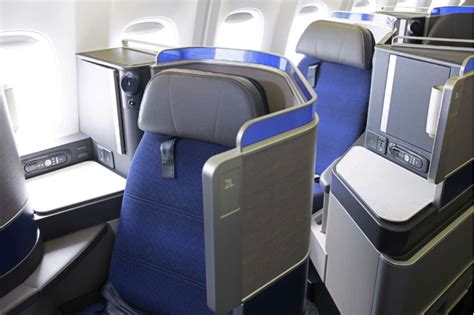
Despite the fare fragmentation, the actual onboard Polaris seat remains one of the strongest business class products operated by a major U.S. carrier.
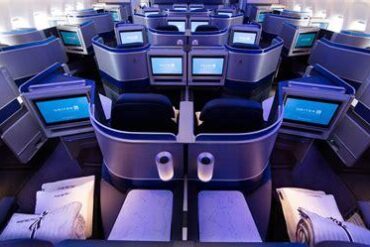
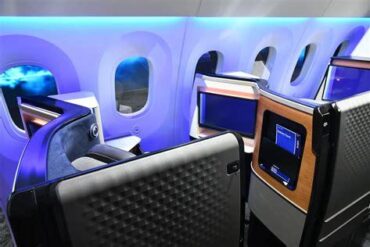
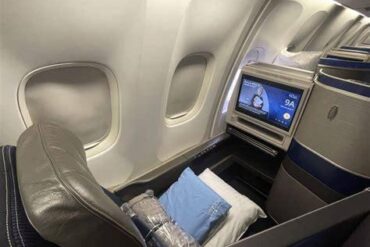
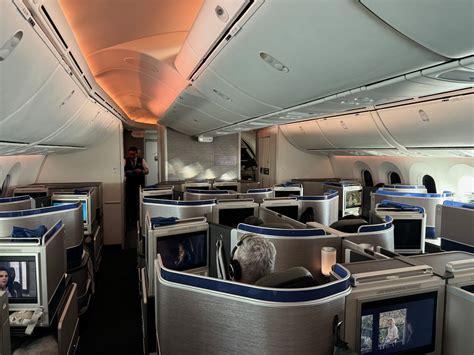
United configures its Boeing 787-8, 787-9, and 787-10 fleets with a 1-2-1 cabin layout, ensuring direct aisle access for every passenger. That arrangement eliminates one of the biggest annoyances traditionally associated with long-haul business class travel: climbing over sleeping seatmates during overnight flights.
The Polaris seat itself measures approximately:
- 22 inches wide
- 78 inches in fully flat bed length
- Direct aisle access at every seat
- Large privacy divider
- Saks Fifth Avenue bedding
- Multiple storage compartments
- Universal power outlets and USB charging
The Dreamliner’s quieter cabin pressure system also improves long-haul comfort considerably compared to older widebody aircraft. Reduced cabin altitude and higher humidity levels help lessen fatigue on ultra-long-haul sectors crossing the Pacific.
However, not every Polaris seat feels identical.
Frequent flyers consistently target odd-numbered window seats because these positions angle slightly away from the aisle, creating a more private experience shielded from cabin traffic. Even-numbered seats sit closer to the aisle and feel more exposed during meal services.
Experienced travelers also avoid:
- Bulkhead rows near galley activity
- Final cabin rows near lavatories
- Middle seats on overnight flights when traveling solo
Because Base Polaris restricts advance seat selection, many travelers paying thousands for business class lose access to the most desirable parts of the cabin map.
That detail alone frustrates many premium customers.
MileagePlus Upgrades Can Dramatically Reduce Costs
For travelers unwilling to spend $5,000 to $9,000 on a full Polaris ticket, United’s MileagePlus upgrade ecosystem remains one of the few realistic ways to experience the Boeing 787 front cabin at a lower price point.
The system combines loyalty miles with cash co-pays depending on the original fare class purchased.
Typical upgrade structures in 2026 include:
| Original Fare Class | Miles Required | Cash Co-Pay |
|---|---|---|
| Premium Plus | 20,000 | $0 |
| Full Fare Economy | 20,000 | $0 |
| Discount Economy | 20,000 | ~$300 |
| Deep Discount Economy | 30,000 | ~$600 |
The cheapest economy tickets require the largest financial contribution because United intentionally protects premium revenue streams from excessive upgrade dilution.
Still, the upgrade route can generate exceptional value.
A traveler purchasing a discounted $1,200 economy fare from San Francisco to Tokyo could theoretically secure Polaris for an additional 30,000 miles and a $600 co-pay. Compared with paying $6,500 outright for Base Polaris, the savings become enormous.
The challenge is availability.
United carefully controls upgrade inventory, especially on corporate-heavy routes where business demand remains strong. Clearance often depends on elite status, seasonal travel patterns, and last-minute unsold inventory.
Premier Platinum and Premier 1K members possess a substantial advantage because they can leverage PlusPoints upgrades that bypass many co-pay requirements entirely.
Timing also matters enormously.
Flights departing on Tuesdays, Wednesdays, and Saturdays typically offer better upgrade probabilities than Monday morning or Thursday evening departures heavily populated by corporate travelers.
Why United’s Boeing 787 Routes Remain So Expensive
One reason Polaris pricing remains elevated despite unbundling is simple: supply constraints.
The global airline industry continues facing widebody aircraft delivery delays, particularly involving Boeing production schedules. Those delays prevent airlines from rapidly expanding premium seat capacity across international networks.
As a result, demand consistently outpaces supply on many profitable long-haul routes.
United’s Boeing 787 fleet now functions as the backbone of its international strategy. The airline deploys Dreamliners across Europe, Asia-Pacific, South America, and select Middle Eastern routes because the aircraft balances fuel efficiency with strong premium seating capacity.
Corporate travel recovery has further intensified pricing pressure.
Major financial firms, consulting companies, and multinational corporations continue purchasing premium seats on routes linking New York, London, Frankfurt, Tokyo, and Singapore. Those travelers frequently prioritize schedule convenience over price sensitivity, allowing United’s revenue systems to sustain extremely high fare levels.
Even the cheapest Polaris fares remain expensive because someone is usually willing to pay them.
Fuel costs also play a major role.
Long-haul business class tickets effectively subsidize the economics of international flying. Premium cabins generate disproportionately high revenue compared to economy sections, particularly on ultra-long-haul sectors exceeding 10 hours.
That financial reality explains why airlines aggressively defend premium pricing through restricted upgrade inventory and segmented fare structures.
How United Compares Against International Competitors
United’s biggest challenge is that many foreign airlines still bundle premium services together more generously.
On routes to Asia and Europe, carriers such as ANA, Singapore Airlines, EVA Air, Qatar Airways, and Turkish Airlines frequently include lounge access, seat assignments, baggage allowances, and greater flexibility within their standard business class fares.
That comparison matters.
A traveler evaluating flights from California to Tokyo may discover United’s Base Polaris pricing looks competitive initially, only to realize that ANA includes a significantly more polished ground experience without extra fees.
Similarly, Middle Eastern and Asian carriers often outperform U.S. airlines in soft-product categories such as:
- Catering quality
- Cabin service consistency
- Airport lounges
- Amenity kits
- Beverage programs
- Privacy features
United counters with network strength.
Its enormous domestic hub system, corporate contracts, and MileagePlus loyalty ecosystem remain powerful advantages for American travelers needing convenient connections across the United States.
For some passengers, that convenience outweighs the compromises of unbundled Polaris pricing.
For others, international competitors increasingly provide better overall value.
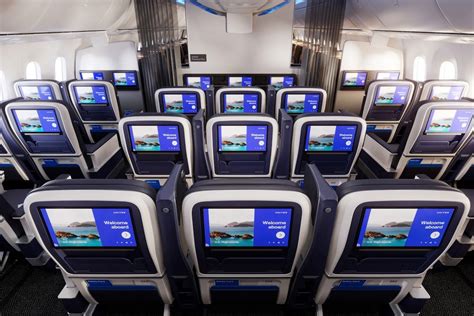
The Future Of Business Class Pricing Is Becoming More Fragmented
United’s Polaris restructuring represents a broader industry trend rather than an isolated experiment.
Airlines increasingly believe travelers will tolerate premium unbundling if the onboard seat itself remains attractive enough. The success or failure of Base Polaris will likely influence how aggressively other carriers pursue similar strategies.
Already, several global airlines are quietly testing “basic business class” concepts with reduced flexibility and stripped-down inclusions.
The economics make sense from an airline perspective.
By separating lounge access, seat selection, and flexibility from the physical seat itself, carriers can advertise lower premium fares while monetizing ancillary services independently. That approach also helps airlines segment travelers more precisely according to spending habits.
Corporate travelers needing flexibility pay more.
Leisure travelers seeking only a lie-flat bed pay less.
The challenge is psychological.
Business class historically represented an all-inclusive experience where travelers escaped the nickel-and-diming common in economy cabins. As airlines progressively carve premium products into smaller paid components, that perception of exclusivity begins to weaken.
Still, the market appears to be accepting the shift.
United’s Boeing 787 Polaris cabins continue filling at remarkably high rates despite reduced inclusions, proving that travelers remain willing to pay significant premiums for long-haul comfort.
Is United Polaris On The Boeing 787 Worth The Cost In 2026?
The answer depends entirely on what the traveler values most.
For passengers focused purely on onboard comfort, even Base Polaris delivers a substantial upgrade over economy or premium economy. The ability to sleep horizontally inside a modern Boeing 787 cabin on a 12-hour overnight flight remains transformative.
The seat itself is genuinely competitive.
However, travelers expecting the traditional all-inclusive luxury associated with international business class may feel disappointed by the stripped-down entry tier. Once lounge access, flexibility, baggage, and seat assignment fees are considered, the cheaper fare often loses much of its financial appeal.
Savvy travelers increasingly approach Polaris as a customizable product rather than a unified premium experience.
Some intentionally purchase Base Polaris because they already possess lounge memberships or travel with minimal luggage. Others strategically use MileagePlus upgrades to bypass the inflated retail pricing altogether.
The modern premium cabin marketplace rewards travelers who understand fare codes, seat maps, upgrade timing, and route economics.
In 2026, simply booking “business class” is no longer enough. On United’s Boeing 787 network, understanding exactly what your Polaris ticket includes may matter just as much as the seat itself.