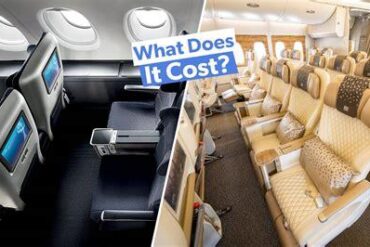
Upgrading at the airport feels a little like being handed a golden ticket. You check in online or tap a kiosk screen, and suddenly there it is: Upgrade to First Class for $199. Or $799. Or $1,499. The number flashes, the seat map glows with a few empty premium chairs, and you are left with the ultimate modern travel dilemma: how much does it cost to upgrade to first class at check-in, and is it actually worth it?
The short answer is that upgrade pricing is dynamic, fluid, and often surprisingly strategic. Domestic upgrades can dip below $100 on short routes, while long-haul international upgrades can soar well beyond $1,000. Airlines do not randomly generate these numbers. They rely on sophisticated revenue management systems designed to squeeze maximum value out of every seat before departure. The result is a constantly shifting marketplace that rewards timing, flexibility, and a bit of nerve.
Understanding the logic behind check-in upgrades gives you a decisive advantage. When you recognize how airlines price these offers, which routes generate the best deals, and what kind of premium product you are actually buying, you can decide with confidence whether that “Upgrade Now” button deserves a tap.
How Check-In First Class Upgrades Actually Work
Airlines typically open check-in 24 hours before departure. At that moment, their systems reassess the cabin. How many first-class seats remain unsold? How many elite passengers are still on the upgrade waitlist? What is the historical probability that those seats will sell at full fare in the remaining hours?
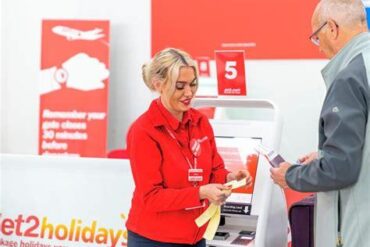
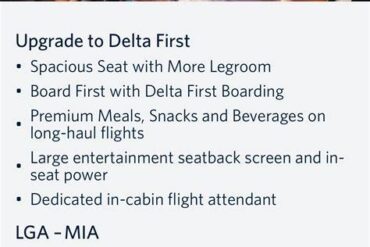
If empty seats remain in the premium cabin, airlines may present a cash upgrade offer to economy passengers. These offers appear in mobile apps, on airline websites, or at airport kiosks. They are separate from mileage redemptions and elite-status complimentary upgrades. In most cases, they are instant, paid upgrades available to any passenger holding an eligible ticket.
The key concept is dynamic pricing. Airlines constantly adjust prices based on demand and supply. If first class is nearly sold out, upgrade prices will remain high or disappear. If several seats remain unsold close to departure, the system may reduce the price to stimulate last-minute purchases. From the airline’s perspective, a discounted premium seat is still better than an empty one.
Typical Domestic Upgrade Costs In The United States
On short domestic routes, check-in upgrades can be surprisingly affordable. Flights under two hours often display upgrade offers ranging from $29 to $199, particularly when demand is light and several premium seats remain open.
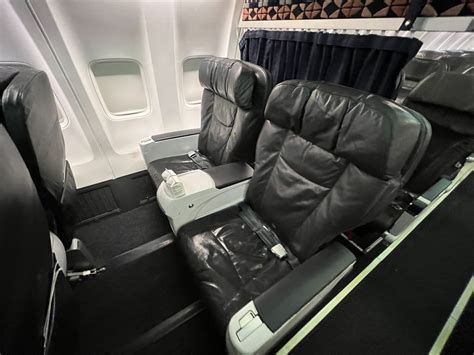
For example, on routes operated by Alaska Airlines between Seattle-Tacoma International Airport and Los Angeles International Airport, passengers have frequently encountered upgrade prices in the low hundreds close to departure. On a relatively short West Coast flight, the premium cabin typically includes wider recliner seats, additional legroom, priority boarding, and complimentary meals or snacks.
The math becomes more compelling on longer domestic routes. Consider a transcontinental flight between John F. Kennedy International Airport and Los Angeles International Airport. Upgrade offers on American Airlines or Delta Air Lines often range from $250 to $700, depending on aircraft type and availability. On certain aircraft configured for premium transcontinental service, these cabins may include lie-flat seats rather than standard domestic recliners, significantly increasing comfort on a six-hour journey.
Meanwhile, business-heavy routes such as Hartsfield-Jackson Atlanta International Airport to JFK on Delta tend to command higher upgrade prices during peak weekday travel. Corporate demand keeps premium cabins full, leaving fewer discounted opportunities at check-in.
Long-Haul International Upgrade Pricing: A Different Scale Entirely
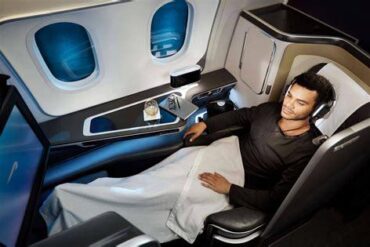
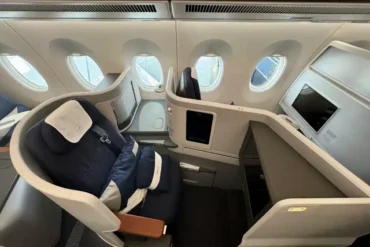
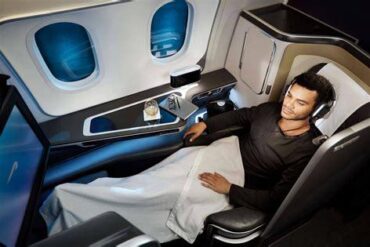
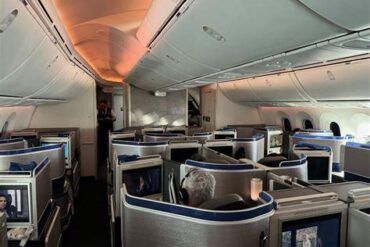
International flights introduce an entirely different pricing dynamic. On long-haul routes, “first class” or “business class” usually means lie-flat beds, multi-course dining, upgraded bedding, and sometimes lounge access. The product difference between economy and premium cabins becomes transformative rather than incremental.
On transatlantic routes, such as O’Hare International Airport to Heathrow Airport with United Airlines, passengers may see check-in upgrade offers ranging from $600 to $1,500 one way. While that number may feel steep, it is often dramatically lower than the original fare difference between economy and business class, which can exceed several thousand dollars.
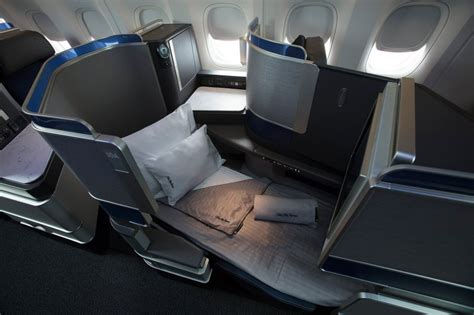
Flights exceeding 10 or 12 hours raise the stakes even further. On ultra-long-haul routes such as San Francisco International Airport to Singapore Changi Airport, last-minute upgrades can exceed $1,500 or more if available. Airlines understand the premium value of a fully flat bed on a 15-hour flight. Sleep is not a luxury at that distance; it is survival.
Seasonality matters enormously. Summer travel peaks, major holidays, and strong business demand reduce upgrade availability and keep prices elevated. Shoulder seasons and midweek departures often present better opportunities.
A Closer Look At American Airlines’ Premium Product
As the world’s largest airline by fleet size, American Airlines offers a broad range of premium experiences depending on aircraft type and route.
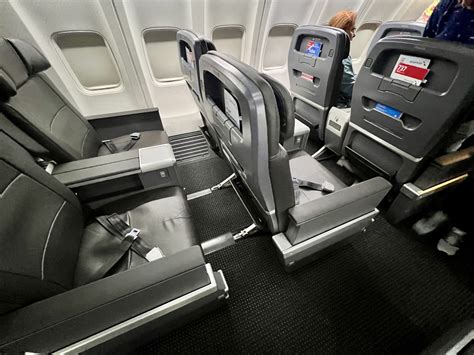
On domestic narrowbody aircraft such as the Boeing 737-800 or Airbus A321, first class generally includes wider seats with greater pitch and recline, enhanced meal service on longer flights, complimentary beverages, and priority services. It is not a private suite in the sky, but it is undeniably more spacious and comfortable than economy.
On international long-haul flights, American’s business class product—branded Flagship—offers direct aisle access, fully lie-flat seats, upgraded bedding, and curated dining. The difference between economy and this cabin is structural, not cosmetic. It reshapes the journey from endurance test to restful experience.
That difference explains the pricing gap. When you upgrade at check-in, you are not simply buying a bigger chair. You are purchasing improved rest, enhanced service, and sometimes access to premium ground facilities.
Why Upgrade Prices Fluctuate So Dramatically
Upgrade pricing is driven by revenue management science. Airlines forecast demand months in advance, then constantly revise projections as departure approaches. Their systems evaluate booking curves, competitive fares, historical performance, and even macroeconomic patterns.
If premium demand is strong, airlines have little incentive to discount. If seats remain unsold within 24 hours of departure, offering a reduced upgrade price can convert an otherwise empty seat into incremental revenue.
Elite status also influences availability. Airlines typically clear complimentary upgrades for high-tier frequent flyers before offering cash upgrades to general passengers. By the time check-in opens, some premium seats may already be allocated to elite travelers.
Aircraft configuration plays a role as well. A domestic flight operated by a narrowbody jet with recliner-style first class offers a more modest premium than a widebody aircraft equipped with lie-flat suites. The greater the comfort gap, the higher the potential upgrade price.
Is Upgrading At Check-In Worth The Cost?
The answer depends on context, not impulse.
On a 90-minute daytime flight, paying $150 for extra legroom and a complimentary drink may feel indulgent but unnecessary. On a red-eye transcontinental route, that same $300 for a lie-flat seat might mean arriving functional rather than exhausted. On a 12-hour overnight flight to Europe or Asia, a $900 upgrade could transform jet lag from brutal to manageable.
Value is measured in more than inches of seat width. Consider:
- Flight duration
- Time of departure
- Your tolerance for discomfort
- Price difference relative to your original fare
- Availability of lounge access or priority services
Passengers who monitor their airline’s app closely during the 24-hour check-in window often spot the most favorable offers. Prices can shift rapidly as seats sell or as the departure clock ticks down.
The Psychology Behind The Offer
There is also a psychological layer to check-in upgrades. You have already purchased your ticket. The base cost is sunk. The upgrade appears as an incremental add-on rather than a full fare. This framing makes a $500 offer feel smaller than it would have during initial booking.
Airlines understand this cognitive bias. By presenting the offer when anticipation is high and departure is imminent, they increase the likelihood of purchase. The question becomes not “Would I pay $2,500 for business class?” but “Would I pay $600 to make this trip significantly better?”
That shift in perception explains why check-in upgrades are such a powerful revenue tool.
Final Thoughts: How Much Should You Expect To Pay?
In practical terms, domestic first-class upgrades at check-in commonly range from under $100 to around $700, depending on route length and demand. International long-haul upgrades typically fall between $600 and $1,500 or more, with ultra-long-haul routes occasionally exceeding that threshold.
There is no fixed formula, no guaranteed bargain hour, and no universal sweet spot. Upgrade pricing is a living system responding to supply, demand, and competitive pressures in real time.
What matters is recognizing when the offer aligns with your priorities. If comfort, sleep, productivity, or simply arriving refreshed has meaningful value to you, a well-priced upgrade can feel like one of the smartest travel decisions you make all year. If the flight is short and the difference minimal, your money may be better spent at your destination.
The power lies in understanding the mechanics. Once you do, that glowing “Upgrade to First Class” button stops being a mystery and becomes a strategic choice—one that you control rather than react to.