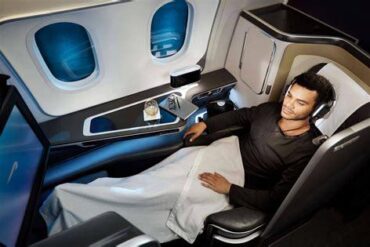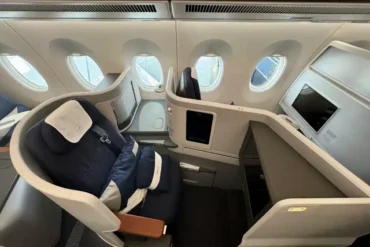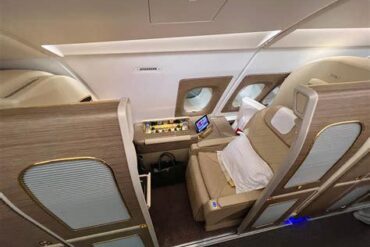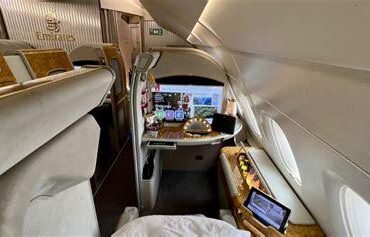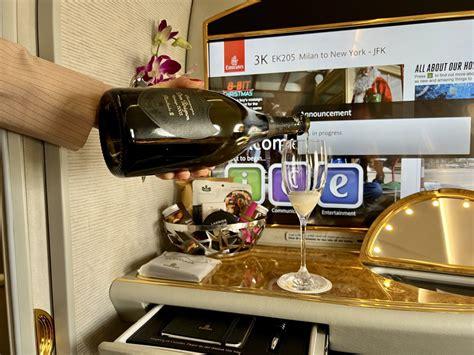
Upgrading to Emirates First Class is one of those travel decisions that feels less like a purchase and more like stepping into a different universe. Private suites, onboard showers, fine dining at 40,000 feet—it’s the kind of experience that transforms a flight into a memory you’ll talk about for years. But here’s the reality: the price of that upgrade varies wildly, and understanding the mechanics behind it is the difference between paying a fortune and pulling off a surprisingly smart deal.
What Does It Really Cost to Upgrade to Emirates First Class?
The headline number can be intimidating. A full Emirates First Class ticket often ranges from $10,000 to over $25,000, depending on route, season, and demand. On ultra-long-haul flights, that figure can climb even higher. That’s the sticker shock version.
But upgrades tell a different story.
If you already hold a Business Class ticket, upgrading to First Class can cost anywhere from 30,000 to 70,000 Emirates Skywards miles, depending on the route. In some cases, this effectively turns a multi-thousand-dollar leap into something far more manageable—especially if those miles were earned through credit card rewards or loyalty programs.
This dual pricing system—cash versus miles—is where the real opportunity lies. You’re not just buying a seat; you’re navigating a system.
Why Business Class Is the Only Real Gateway
Here’s the part many travelers overlook: you cannot upgrade directly from Economy or Premium Economy to First Class on Emirates. No shortcuts, no exceptions. If First Class is your goal, Business Class is your starting line.
That may sound restrictive, but it’s actually strategic. Business Class tickets on Emirates typically range from $3,000 to $7,000, and when paired with a mileage upgrade, they create a pathway to First Class that’s significantly more efficient than booking outright.
In other words, if First Class is the penthouse, Business Class is the elevator—you still need to get in the building.
Mileage Upgrade Costs by Route: Real Examples
The number of miles required isn’t arbitrary. It’s tied to distance, demand, and fare class. Here’s how it typically breaks down:
- Malé (MLE) to Dubai (DXB): ~31,200 miles
- New York (JFK) to Milan (MXP): ~39,000 miles
- London (LHR) to Dubai (DXB): ~39,000 miles
- Cape Town (CPT) to Dubai (DXB): ~46,800 miles
- Washington D.C. (IAD) to Dubai (DXB): ~70,200 miles
Shorter routes offer better value per mile, while long-haul upgrades demand a higher mileage investment. Still, compared to paying cash for First Class, these numbers often represent exceptional value.
The Hidden Rules That Can Make or Break Your Upgrade
Not all tickets are created equal. The type of Business Class fare you purchase directly impacts your upgrade cost.
Saver or Special fares, which are cheaper upfront, often require more miles to upgrade. Flexible fares, while more expensive initially, can reduce the mileage burden later. It’s a trade-off that rewards planning over impulse.
Another critical rule: you must book directly with Emirates to use Skywards miles for upgrades. If you book through a partner airline program, even if it’s cheaper, you may lose upgrade eligibility entirely. That “great deal” can quietly block your path to First Class.
And then there’s availability. No open First Class seat means no upgrade—simple as that. Timing and awareness matter more than luck.
Why Timing Your Upgrade Changes Everything
Upgrading early feels intuitive, but it’s not always the smartest move. Emirates controls upgrade inventory tightly before departure, holding seats for potential full-fare buyers or premium redemptions.
Then something interesting happens.
On the day of departure, those controls loosen. If First Class seats remain unsold, they often become available for upgrades. This creates a window of opportunity that savvy travelers actively target.
You can request an upgrade at:
- Check-in counters
- Departure gates
- Even onboard after boarding
It’s not glamorous to ask at the gate—but it can be incredibly effective.
Elite Status: The Quiet Gatekeeper
As of recent program changes, not everyone can access these upgrades equally. Only Silver, Gold, and Platinum Skywards members can upgrade to First Class using miles or a mix of cash and miles.
If you’re a Blue tier member, you’re effectively locked out of this strategy.
It’s a subtle but important shift. Loyalty isn’t just rewarded—it’s required. And for frequent travelers, this makes status more than a badge; it becomes a gateway to premium experiences.
There’s also a lesser-known restriction: children under eight years old are not eligible for First Class upgrade rewards. For families, that’s a detail worth knowing before planning anything ambitious.
Cash vs Miles: Which Upgrade Strategy Wins?
There are three primary ways to approach an Emirates First Class upgrade:
- Pay full cash for First Class
- Book Business Class with cash and upgrade using miles
- Book with miles and upgrade with more miles
The first option is straightforward but expensive. The third, while possible, often requires a large number of miles.
The second option—cash plus miles—is where the balance tilts. It minimizes out-of-pocket cost while maximizing the value of your miles. For most travelers, this is the sweet spot.
It’s one of the few scenarios in modern aviation where loyalty points still deliver genuinely high-end returns.
What You’re Actually Paying For in Emirates First Class
The price difference isn’t just about a bigger seat. It’s about an entirely different travel ecosystem.
In Emirates First Class, you get:
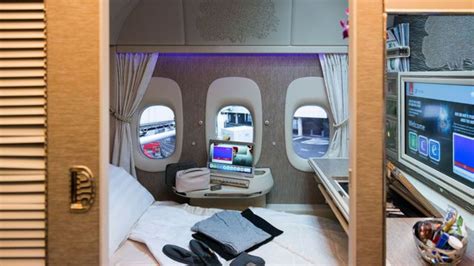
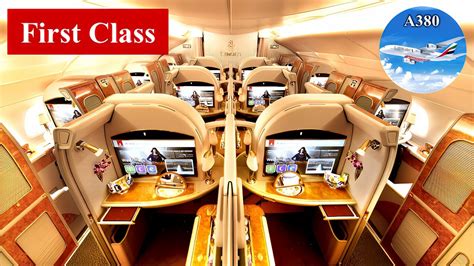
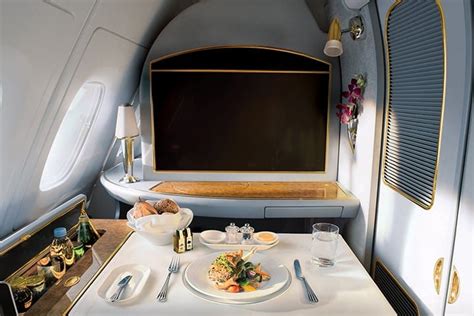
- Fully enclosed private suites
- On-demand gourmet dining
- Access to onboard shower spas (A380)
- Premium lounges with fine dining
- Chauffeur-driven airport transfers in many cities
This isn’t incremental luxury—it’s exponential. The jump from Business to First Class is arguably the most dramatic cabin upgrade in commercial aviation.
Technology That Makes Upgrading Easier
Emirates has invested heavily in making upgrades seamless. Through its app and website, you can track availability, manage bookings, and even process upgrades in real time.
Features like:
- Instant miles transfers
- Upgrade waitlists
- Auto-upgrade alerts
…create a system where opportunities can be acted on instantly.
At Dubai International Airport, biometric systems streamline check-in, lounge access, and boarding. That means less time dealing with logistics and more time enjoying the experience you paid (or cleverly upgraded) for.
Even onboard, the crew can process upgrades if seats are available and you have sufficient miles. It’s flexible in a way most airlines simply aren’t.
Why Emirates Stands Out in the Upgrade Game
Most airlines have quietly devalued their loyalty programs over the years. Upgrades are harder to find, and miles don’t stretch as far.
Emirates takes a different approach.
It still allows:
- Upgrades using miles on tickets originally purchased with miles
- Real-time upgrade processing close to departure
- Transparent mileage calculators for planning
This combination makes Emirates one of the few carriers where strategic upgrades still feel rewarding instead of frustrating.
The Long-Term Outlook: Will It Get Easier or Harder?
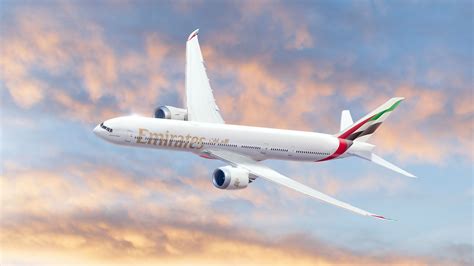
Emirates is investing billions into new aircraft, upgraded cabins, and enhanced digital services. The introduction of aircraft like the Airbus A350 and Boeing 777X signals a continued focus on premium travel.
But here’s the catch: as demand for luxury travel grows, First Class seats may become even more competitive. Fewer seats, higher demand, and tighter upgrade controls could make today’s strategies harder to execute in the future.
That makes understanding the system now especially valuable.
The Bottom Line: How Much Should You Expect to Pay?
If you’re approaching this with clear expectations, the numbers become easier to navigate.
- Full First Class ticket: $10,000–$25,000+
- Business Class ticket: $3,000–$7,000
- Upgrade cost: 30,000–70,000 miles
The smartest path for most travelers is clear: book Business Class, then upgrade using miles, ideally targeting availability close to departure.
It’s not cheap—but it’s dramatically more attainable than paying full price.
And once you step into that private suite, close the doors, and sip something exceptional at cruising altitude, the math starts to feel less like a calculation and more like a very well-played move.