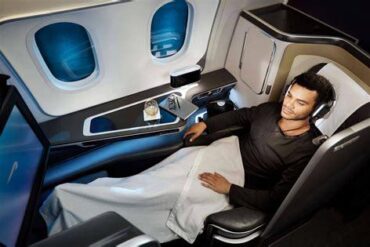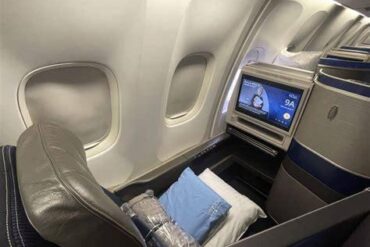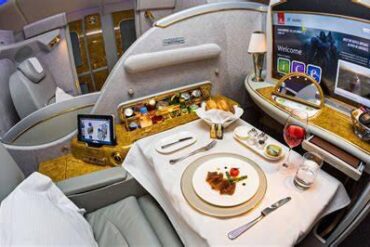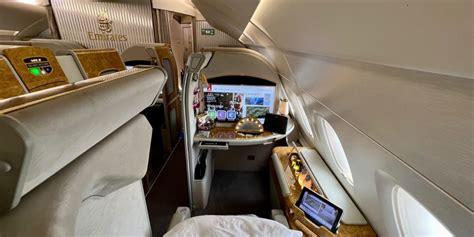
Flying Emirates First Class represents one of the most aspirational experiences in commercial aviation, yet its headline price often feels prohibitive. On many long-haul routes, a full-fare First Class ticket regularly exceeds $15,000 and can climb beyond $25,000, depending on seasonality and demand. We find that the true value emerges not from outright purchase, but from understanding how Emirates structures upgrades and rewards loyalty through its Skywards program.
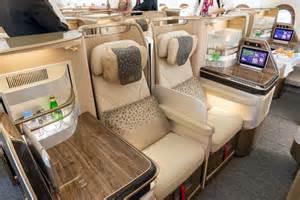
From a strategic standpoint, the most effective path to First Class begins in Business Class. Emirates does not allow direct upgrades from Economy or Premium Economy to First Class, making Business the essential entry point. Business fares typically range between $3,000 and $7,000, already representing a substantial saving compared to First Class cash pricing. When paired with miles, this gap becomes even more compelling.
Upgrade pricing using Emirates Skywards Miles varies by route length and fare flexibility. On shorter or regional flights, upgrades often fall between 30,000 and 40,000 miles, while ultra-long-haul sectors can exceed 70,000 miles. Published examples include Malé–Dubai at 31,200 miles, JFK–Milan and London–Dubai at 39,000 miles, Cape Town–Dubai at 46,800 miles, and Washington, DC–Dubai at 70,200 miles. These upgrades must be booked directly with Emirates; tickets issued through partner programs such as Air Canada Aeroplan are excluded.
Eligibility has become more exclusive following changes introduced in May 2025. Only Silver, Gold, and Platinum Skywards members may book or upgrade into First Class using miles or cash-and-miles. Blue-tier members are no longer eligible, and children under eight are excluded from First Class reward upgrades entirely. These rules underscore the premium positioning of the cabin while reinforcing Emirates’ focus on rewarding higher-tier loyalty.
Timing plays a decisive role in upgrade success. While Emirates carefully manages First Class inventory in advance, day-of-departure upgrades are widely regarded as the most effective tactic. As capacity controls ease closer to departure, open seats may be released for upgrades. We recommend actively asking at check-in, at the gate, or even onboard. If sufficient miles are available, upgrades can be processed instantly thanks to real-time account transfers.
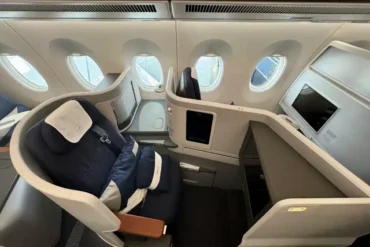
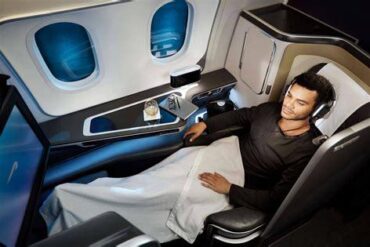
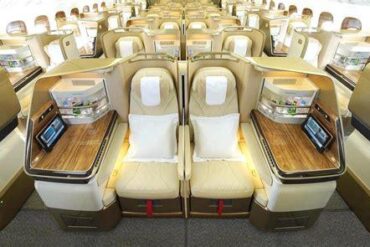
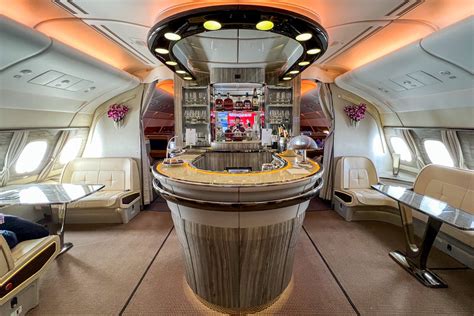
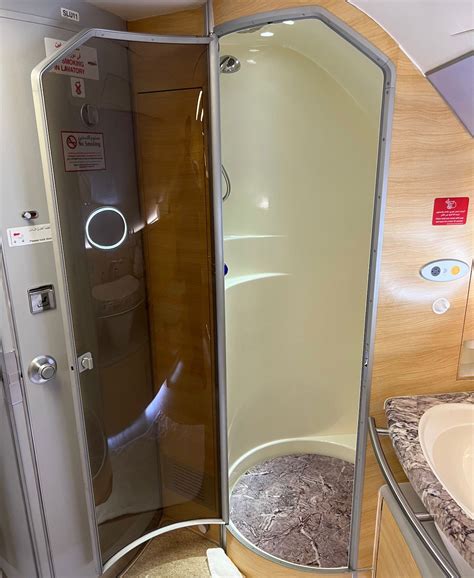
The experience itself explains why demand remains strong. Emirates First Class, particularly on the Airbus A380, is considered a halo product, featuring private suites, onboard lounge access, and iconic shower spas. This level of luxury, when accessed through a Business Saver fare upgraded with miles, delivers a disproportionate return on value.
What ultimately sets Emirates apart is policy. Unlike most global airlines, Emirates allows tickets initially booked with miles to be upgraded again using miles, and supports transparent planning through an easy-to-use miles calculator. Combined with heavy investment in AI, biometric airport processing in Dubai, and personalized digital platforms, the airline has created one of the most customer-centric upgrade ecosystems in the industry. For travelers willing to plan strategically, upgrading to First Class on Emirates remains one of aviation’s most attainable ultra-luxury experiences.