The question of how much it costs to upgrade to first class at check-in has become increasingly relevant as airlines use dynamic pricing to sell remaining premium seats. A passenger who checks in online 24 hours before departure may suddenly see an offer to move from economy to first class for a few hundred dollars. The same seat could have cost considerably more when purchased as part of the original ticket, making a last-minute upgrade look attractive.
There is no universal price for a check-in upgrade. Airlines consider the route, aircraft, remaining first-class seats, demand, season, passenger status, and the value of the premium cabin before presenting an offer. A short domestic flight might produce an upgrade offer of less than $100, while a long international journey can produce an offer worth $1,000 or more. Understanding how these prices are calculated can help passengers decide whether the extra expense provides enough additional value.
How First-Class Upgrades at Check-In Work
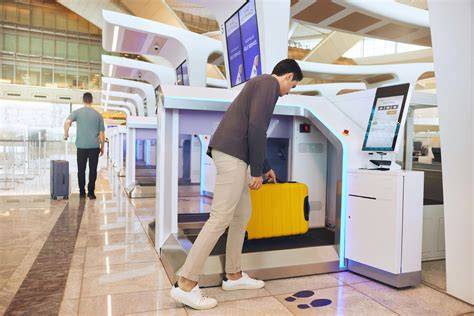
Most airlines begin the online check-in process around 24 hours before departure, although exact timing varies by carrier and itinerary. At that point, passengers may see an option to purchase an available premium seat. The offer can appear in the airline’s mobile application, website, airport kiosk, or sometimes through an agent at the check-in counter.
These offers are different from complimentary elite upgrades and mileage-based upgrades. A passenger does not necessarily need frequent-flyer status to receive a paid check-in offer. Instead, the airline is effectively asking whether the passenger is willing to pay for a premium seat that might otherwise leave the aircraft empty.
Airlines use sophisticated revenue-management systems to determine the price. If first class has several empty seats shortly before departure, the carrier has an incentive to sell those seats at a lower price rather than receive nothing for them. However, this does not mean the price will automatically fall as departure approaches. If demand is strong, the remaining seats may retain a high value, and the upgrade offer could become more expensive or disappear completely.
The timing of the offer therefore matters, but it should not be treated as a guaranteed countdown toward a bargain. A passenger who waits for a lower price could instead find that the cabin has filled through paid bookings, elite upgrades, or other inventory changes.
How Much Does a Domestic First-Class Upgrade Cost?
For US domestic flights, check-in upgrade prices commonly range from less than $100 to several hundred dollars. Short flights can sometimes produce offers around $29 to $199, although prices vary substantially between airlines, routes, aircraft, and departure dates.
A short West Coast flight, for example, may provide a relatively modest upgrade opportunity when the first-class cabin has several empty seats. The additional space, complimentary food or drinks, priority boarding, and increased baggage benefits can make the offer attractive, particularly for travelers facing a busy airport or an inconvenient travel schedule.
Longer domestic flights generally command higher prices. A transcontinental flight between New York and Los Angeles can involve several hours in the air, making the difference between economy and first class much more noticeable. Depending on the aircraft and airline, a passenger might encounter an upgrade offer of $250 to $700 at check-in.
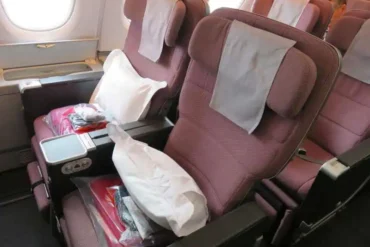
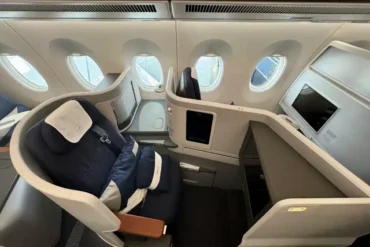
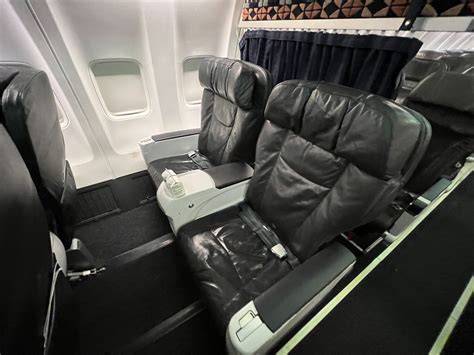
The aircraft itself is especially important. Domestic first class on a narrowbody aircraft normally provides a wider recliner-style seat rather than a private suite or lie-flat bed. A longer flight on an aircraft offering a substantially more comfortable premium seat can therefore produce a higher upgrade price because the airline has a more valuable product to sell.
Delta, American and United Upgrade Pricing
Major US airlines including Delta Air Lines, American Airlines, and United Airlines use dynamic pricing for many paid upgrade opportunities. This means two passengers on the same route can potentially encounter different offers depending on when they check in, the fare they purchased, their itinerary, available inventory, and other factors.
Delta passengers may see paid upgrade opportunities for domestic first class or, on appropriate international aircraft and routes, premium cabins such as Delta One. A busy business route can support higher upgrade prices because premium demand is stronger. A leisure route during a quieter period may produce a different offer if more premium seats remain available.
American Airlines provides another useful example. Its domestic first-class cabin offers a meaningful step above economy, with a wider seat, additional space, priority boarding, and complimentary food and beverages on qualifying flights. On longer routes, the value becomes more noticeable because passengers spend more time in the premium seat.
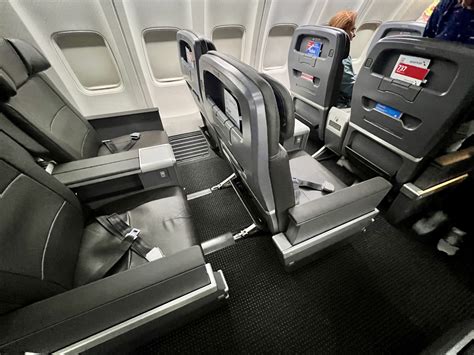
United Airlines similarly offers paid upgrade opportunities through its digital check-in experience. On some longer flights, the upgrade can involve United First domestically or a premium international cabin with a significantly different level of comfort. The important point is that the price reflects the specific product being sold, not simply the distance of the flight.
International First-Class and Business-Class Upgrade Costs
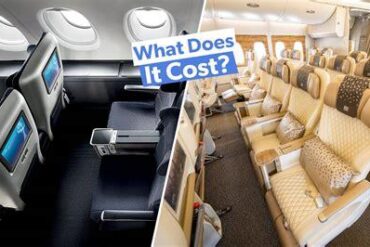
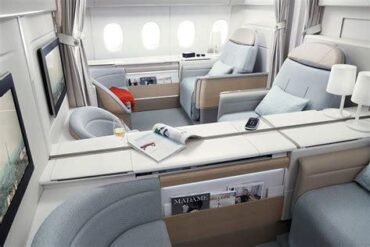
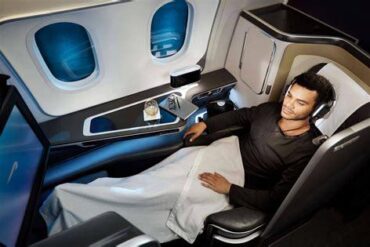
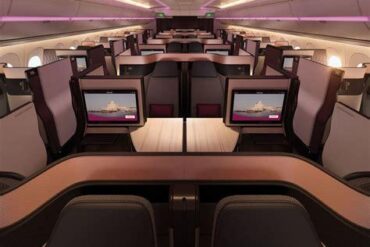
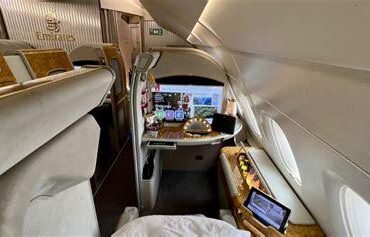
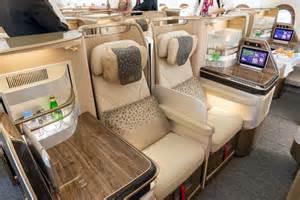
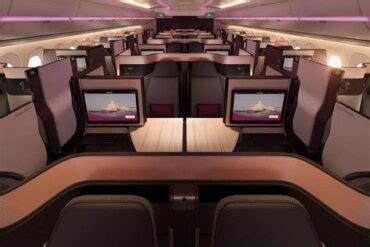
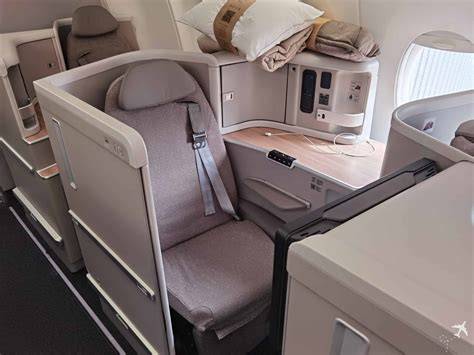
International upgrades can become dramatically more expensive because premium cabins offer substantially more than a wider recliner seat. On long-haul flights, passengers may receive lie-flat beds, premium meals, bedding, priority services, lounge access, and greater personal space.
For transatlantic flights between the United States and Europe, a last-minute premium-cabin upgrade can sometimes cost $600 to $1,500 one way. The exact amount depends heavily on remaining inventory and the cabin involved.
For example, a passenger traveling from Chicago to London could potentially receive a last-minute business-class offer for several hundred dollars or more. Although that may appear expensive compared with the original economy ticket, it can still represent a significant reduction from purchasing a premium-class ticket outright.
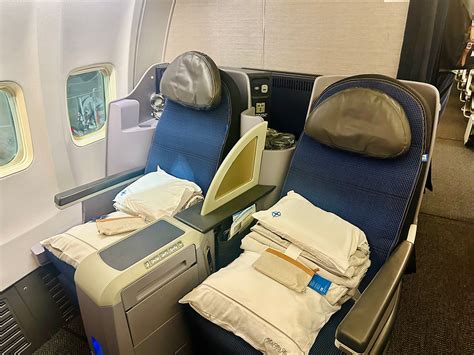
The economics become even more noticeable on ultra-long-haul flights. A journey from San Francisco to Singapore can last more than 15 hours depending on routing and conditions. On such a flight, the difference between an economy seat and a lie-flat premium seat is enormous. A check-in upgrade exceeding $1,500 may therefore appear on a flight where the airline knows the premium cabin has considerable value.
However, passengers should distinguish between first class and business class. Many international airlines no longer operate a traditional first-class cabin on every long-haul route. The available upgrade may therefore be to business class, even when travelers casually describe the offer as a first-class upgrade.
Why First-Class Upgrade Prices Change So Much
The biggest factor behind last-minute upgrade pricing is revenue management. Airlines constantly estimate how much each remaining premium seat might be worth. The system considers historical booking patterns, current reservations, expected demand, departure timing, and the likelihood that the seat could be sold at its full fare.
Suppose a flight has eight first-class seats remaining shortly before departure. If demand appears weak, the airline may decide that selling some of those seats for several hundred dollars is preferable to operating with empty premium seats. If the same flight suddenly attracts additional premium bookings, the upgrade price may rise or the offer may disappear.
Seasonality also has a major effect. Premium cabins can be especially difficult to upgrade during periods when business travel is strong or leisure demand is unusually high. Holidays, major events, and popular vacation periods can reduce the number of unsold premium seats.
Aircraft type is another important variable. A passenger upgrading to a domestic recliner seat is purchasing a different experience from someone upgrading to a long-haul lie-flat seat. The airline therefore has more justification for charging a substantial amount when the premium product includes a bed, direct aisle access, enhanced dining, and lounge privileges.
Does Elite Status Affect Check-In Upgrade Offers?
Frequent-flyer status can influence the availability of premium seats, although a paid upgrade offer should not be confused with an elite upgrade. Airlines generally have established procedures for processing complimentary or mileage-based upgrades, and those mechanisms can affect how many seats remain for paid offers.
A premium seat that appears empty on the seat map is not necessarily available for a discounted cash upgrade. The airline may be holding inventory for operational reasons, elite upgrades, connecting passengers, or last-minute premium bookings.
This is why the seat map alone cannot reliably predict whether a cheap upgrade will appear. Seeing several empty first-class seats may create hope for a bargain, but the airline’s revenue-management system has access to much more information than the passenger does.
Is a First-Class Upgrade at Check-In Worth the Money?
Whether a check-in upgrade is worthwhile depends primarily on the flight length, aircraft, price, and benefits included. Paying $50 for a four-hour flight can represent a very different proposition from paying $900 for a 12-hour overnight journey.
On a short flight, the passenger may spend only a limited amount of time enjoying the wider seat and enhanced service. In that situation, a relatively expensive upgrade may provide convenience rather than a transformative experience.
A long overnight flight is different. A lie-flat bed can allow a passenger to sleep for several hours, potentially making the premium price much more meaningful. Lounge access, priority security where available, premium dining, and faster airport services can add value before and after the flight as well.
The best approach is to evaluate the incremental cost, rather than simply looking at the advertised premium fare. If an economy ticket has already been purchased for $500 and the airline offers a premium upgrade for $700, the relevant question is whether the additional $700 provides enough value for that particular journey. The original ticket price is already spent and should not determine the decision by itself.
How to Find Cheaper Check-In Upgrade Offers
Passengers hoping to find a lower-priced upgrade should monitor their reservation as departure approaches. Checking the airline’s app and website can reveal new offers, although there is no guarantee that waiting will produce a cheaper price.
It can also help to understand the aircraft assigned to the flight. A premium upgrade is generally more valuable when the aircraft offers a lie-flat seat or a particularly spacious first-class cabin. Conversely, paying hundreds of dollars for a modest domestic recliner seat may provide less additional value.
Travelers should also check exactly what the offer includes. Some upgrades provide only the premium seat, while others may include additional baggage allowance, priority services, lounge access, premium meals, or other benefits. The conditions can vary by airline and route.
The Bottom Line on First-Class Upgrade Prices
There is no single answer to how much it costs to upgrade to first class at check-in. Domestic offers can start below $100 and rise into several hundred dollars, while international premium-cabin upgrades can reach $1,000, $1,500, or more.
The price is shaped by remaining seats, demand, route length, aircraft type, season, and the specific premium product. A last-minute offer can sometimes provide a substantial discount compared with buying first or business class from the beginning, but it is not automatically a bargain.
For short domestic flights, the value often comes from additional space and convenience. For long-haul international flights, the biggest benefit may be the ability to sleep in a lie-flat seat and arrive with less fatigue. Ultimately, the most useful number is not the airline’s original premium fare but the extra amount being requested at check-in for the benefits you will actually use.