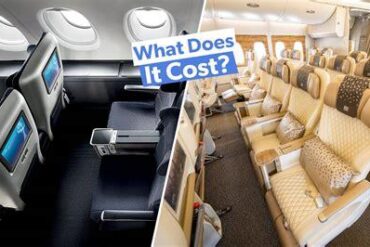
Air travel has evolved into a layered hierarchy of comfort, space, and service, but first class remains the pinnacle of commercial aviation luxury. For many travelers, the idea of flying first class conjures images of private suites, champagne service, and fully flat beds floating somewhere above the clouds. Yet one question consistently surfaces whenever the topic arises: how much do first class seats actually cost?
The answer is far from simple. First class ticket prices vary dramatically depending on factors such as airline, route distance, aircraft type, demand, and booking timing. On a short domestic flight, the difference between economy and first class might be a few hundred dollars. On an ultra-long-haul international journey, however, first class seats can cost as much as a luxury car.
Understanding the price of first class requires looking beyond the ticket itself. Airlines design the experience to begin long before boarding and extend until the traveler arrives at their destination. Chauffeur transfers, private airport lounges, gourmet dining, and attentive cabin service are all woven into the price. In essence, first class is less a seat and more an entire travel ecosystem built around comfort and exclusivity.
For travelers curious about the real numbers—and what those numbers buy—this guide explores first class ticket costs, the luxury experience behind them, and how they compare to other cabin classes.
Average Cost of First Class Airline Tickets
First class airfare sits at the top of the commercial aviation pricing spectrum. While economy tickets may cost a few hundred dollars on many routes, first class prices can range from relatively accessible to eye-wateringly expensive.
Domestic flights typically represent the most affordable entry point into first class travel. On routes within the United States, for example, a one-way first class ticket often costs between $300 and $1,000, depending on demand and distance. These seats usually provide extra legroom, wider chairs, priority boarding, and complimentary meals and drinks.
The picture changes dramatically when international long-haul routes enter the equation. Flights crossing oceans or continents often feature fully enclosed suites, lie-flat beds, and multi-course dining experiences. Because of this elevated level of service and space, the cost rises sharply.
Round-trip first class tickets on long international flights frequently begin around $5,000 and can exceed $15,000, particularly on high-demand routes between global business hubs.
A simple rule used by some frequent flyers estimates first class pricing at roughly:
- 70% more expensive than economy tickets
- $50 to $100 per hour of flight time
Although these estimates are rough, they illustrate an important principle: the longer and more premium the flight, the steeper the first class price becomes.
Domestic First Class vs International First Class Pricing
Not all first class cabins are created equal. In fact, domestic first class and international first class are almost entirely different products.
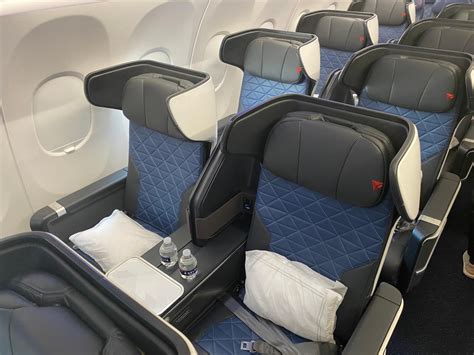
Domestic first class on many airlines resembles an upgraded business class from previous decades. The seats are wider than economy, often with around 37–38 inches of seat pitch, and they recline comfortably. Complimentary food and beverages are typically included, along with priority boarding and extra baggage allowance.
However, domestic first class rarely includes lie-flat beds or private suites, which are the hallmarks of true international first class. Lounge access is also uncommon on short domestic flights.
Airlines such as JetBlue, Delta Air Lines, and Alaska Airlines provide some of the most comfortable domestic premium cabins in the United States, though the experience remains far simpler than long-haul luxury travel.
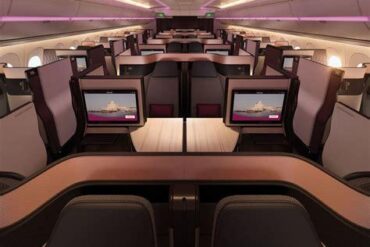
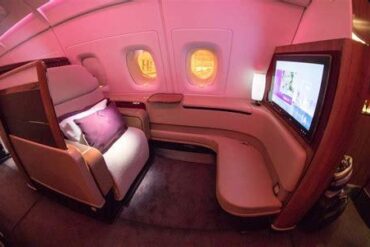
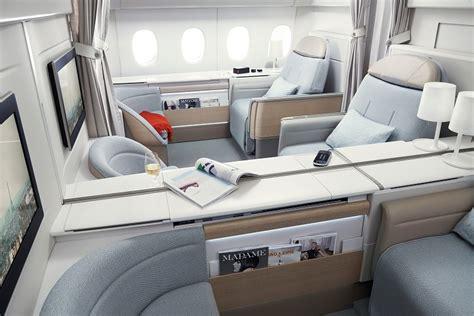
International first class, by contrast, transforms the aircraft cabin into something closer to a flying luxury hotel. Privacy doors, spacious suites, designer amenity kits, and chef-designed menus elevate the experience far beyond the basics of air travel.
Because of this enormous difference in amenities and space, the price gap between domestic and international first class can be staggering.
What You Get When Flying First Class
The cost of first class becomes easier to understand when examining the complete travel experience it provides. Airlines invest heavily in making the journey feel exclusive from the moment a passenger leaves home.
Some airlines even begin the experience with chauffeur-driven airport transfers, particularly on premium long-haul routes. Passengers arrive at the airport where separate check-in counters and fast-track security lines dramatically reduce waiting time.
Once inside the terminal, first class travelers typically enter private first class lounges. These spaces resemble upscale restaurants or boutique hotels rather than traditional airport waiting areas.
Inside these lounges, passengers may find:
- Gourmet meals prepared by professional chefs
- Premium champagne, wines, and cocktails
- Private sleeping suites or quiet rooms
- Spa treatments and shower facilities
- Concierge-style travel assistance
The difference continues once passengers step onboard. First class cabins often contain very few seats—sometimes fewer than ten in total—which allows airlines to deliver highly personalized service.
Seats usually transform into fully flat beds with high-quality bedding, and many suites feature sliding doors for complete privacy. Some airlines even include additional seats inside the suite so passengers can dine with companions.
Service plays a central role in the experience. Dedicated flight attendants provide on-demand dining rather than fixed meal schedules, allowing travelers to eat whenever they wish.
Luxury Dining at 35,000 Feet
Dining in first class often rivals what travelers might find in fine restaurants on the ground. Airlines design elaborate multi-course menus and pair them with premium wines and spirits.
Meals are served on real porcelain plates with metal cutlery and linen tablecloths, replacing the disposable items commonly found in economy cabins.
Menus often include items such as:
- Caviar service with traditional accompaniments
- Premium steaks or seafood entrées
- Regional cuisine inspired by the airline’s home country
- Fine champagne from renowned producers
The goal is not merely to feed passengers but to create a culinary experience that feels indulgent and memorable.
Airlines With the Most Luxurious First Class Cabins
Certain airlines have built legendary reputations for their first class offerings. According to aviation rankings and passenger reviews, several carriers consistently stand out for their exceptional cabins.
Among the most celebrated first class experiences are those offered by:
- Singapore Airlines
- Emirates
- Air France
- Cathay Pacific
- Lufthansa
- All Nippon Airways
- Japan Airlines
- Swiss International Air Lines
- Qatar Airways
- British Airways
These airlines invest heavily in cabin design, service training, and onboard amenities to ensure their first class products remain among the most desirable in the world.
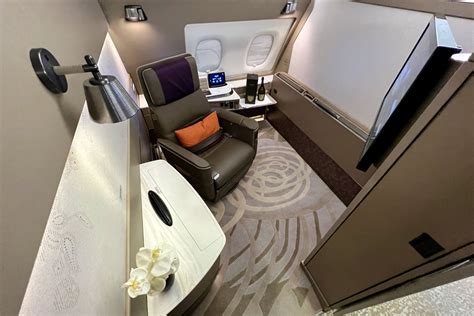
Singapore Airlines, for example, offers spacious suites on its Airbus A380 that feature both a separate armchair and a standalone bed. In the center of the cabin, two suites can combine into a double bed designed for couples, an unusual level of luxury in commercial aviation.
Emirates and the Evolution of the Private Suite
Emirates has played a major role in shaping modern first class expectations. The airline’s Boeing 777 and Airbus A380 aircraft feature fully enclosed suites with sliding doors, ambient lighting, and personal minibars.
The A380 version also includes shower spas for first class passengers, allowing travelers to refresh themselves during long flights.
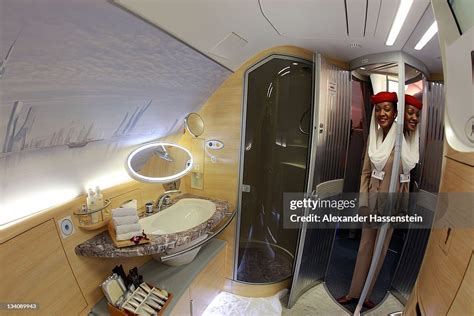
With only about 14 suites on the A380, the experience feels remarkably exclusive. Emirates is estimated to operate between 40% and 50% of the world’s first class suites, making it one of the most influential players in luxury aviation.
Etihad’s “Residence” – The Most Expensive First Class Experience
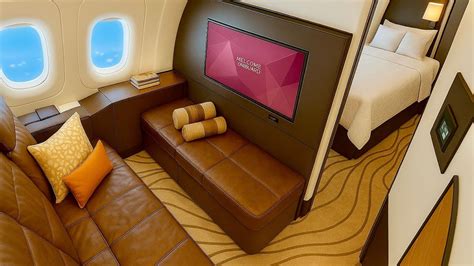
If standard first class represents luxury, Etihad Airways took the concept further with The Residence, an ultra-premium product installed on select Airbus A380 aircraft.
Rather than a single seat or suite, The Residence is a three-room private apartment in the sky. Passengers enjoy a living room, bedroom, and private bathroom with shower.
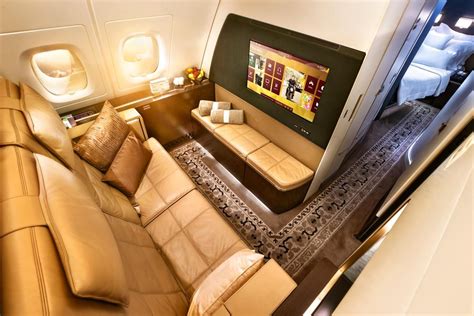
The experience even includes a personal butler trained by the Savoy Hotel in London. Unsurprisingly, tickets for The Residence can exceed $20,000 for a one-way journey, placing it among the most expensive commercial airline seats ever sold.
First Class vs Business Class: Is the Price Gap Worth It?
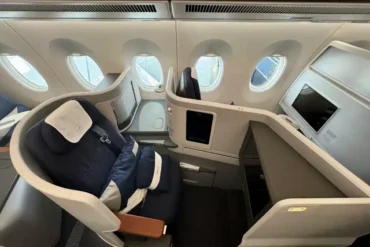
Over the past decade, the boundary between first class and business class has narrowed significantly. Modern business class cabins often feature lie-flat beds and privacy suites, amenities once reserved exclusively for first class.
Because of this evolution, many travelers wonder whether paying for first class is still worthwhile.
A key difference lies in space and service ratios. A typical first class cabin might contain 8 to 12 seats, while a business class cabin could hold 40 to 80 passengers. With far fewer travelers to serve, flight attendants can deliver much more personalized attention.
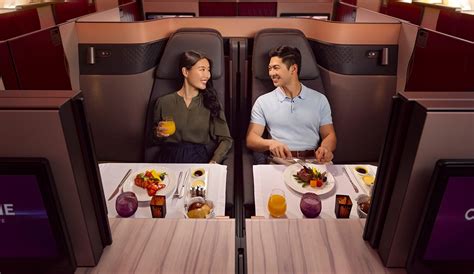
First class also tends to offer additional touches that business class lacks, such as:
- Higher-quality dining and wine selections
- Larger suites with greater privacy
- Dedicated first class lounges rather than shared business lounges
- Exclusive airport services
Still, business class frequently represents the best balance between luxury and value, especially for travelers paying out of pocket.
Why Some Airlines Are Removing First Class
Interestingly, not every airline believes first class remains financially viable. In recent years, several carriers have eliminated the cabin entirely from their fleets.
The reason is simple economics. First class seats take up significant cabin space but often sell below their full retail price, frequently going to elite frequent flyers through upgrades.
Meanwhile, business class suites and premium economy seats sell more consistently, allowing airlines to generate stronger overall revenue.
As business class continues improving, some airlines view it as the new top tier of commercial travel, while first class becomes a niche product offered only by select premium carriers.
Is Flying First Class Worth the Cost?
Whether first class is worth its price depends largely on personal priorities. For short flights lasting only a few hours, the upgrade rarely delivers enough time to fully enjoy the experience.
On ultra-long journeys lasting twelve hours or more, however, the benefits become far more meaningful. Being able to sleep comfortably, enjoy personalized service, and arrive well-rested can significantly change the travel experience.
For travelers with the budget, long-haul first class offers:
- Exceptional privacy
- Restaurant-quality dining
- Hotel-level bedding and sleep comfort
- Fast-tracked airport processes
Yet the price remains the biggest barrier. Even though many people dream of flying first class, business class and premium economy provide more attainable alternatives for most travelers.
Frequent flyer miles, loyalty programs, and upgrade bidding systems occasionally make the experience more accessible. With enough patience and strategy, some passengers manage to enjoy first class luxury without paying the full retail fare.
In the end, first class represents the ultimate expression of commercial airline travel, where transportation meets hospitality and luxury design. The price may be steep, but for those who experience it on a long journey across the world, the memory often lingers long after the plane has landed.