Upgrading to premium economy at check-in has quietly become one of the most calculated financial decisions in modern air travel. It is no longer a simple matter of asking a gate agent for a better seat. Today, it is a digital marketplace driven by algorithms, seat inventory, passenger data, and real-time demand. The difference between paying $800 more at booking versus $250 at check-in can feel like winning a small lottery—if you understand the system.
For travelers willing to wait until the 24-hour check-in window opens, the potential savings can be significant. On long-haul international flights, the average check-in upgrade to premium economy typically ranges from $150 to $450, while shorter domestic routes often fall between $50 and $150. These numbers fluctuate constantly, but they consistently undercut the original fare difference between economy and premium economy purchased at booking.
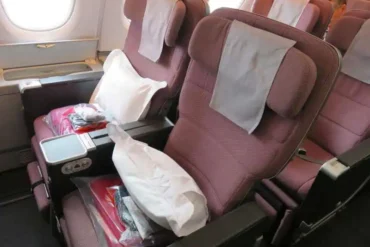
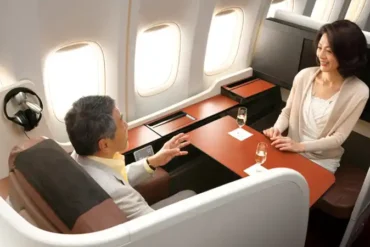
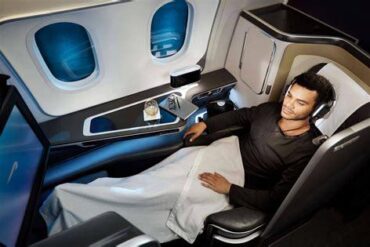
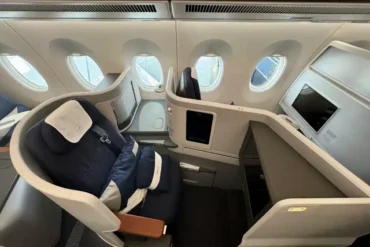
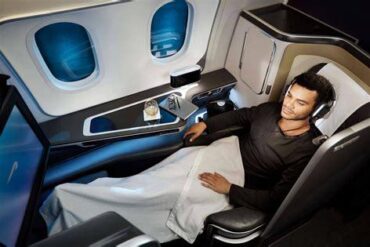
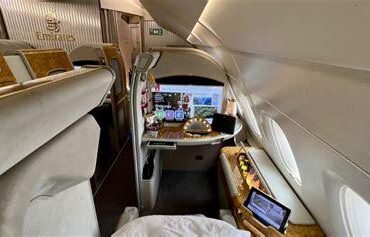
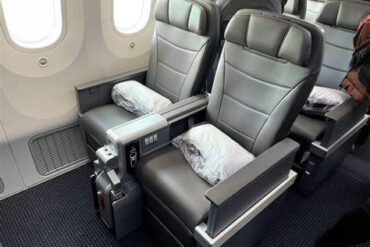
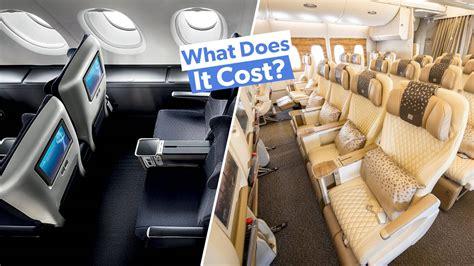
The appeal is obvious. Premium economy delivers wider seats, 5–8 inches of additional legroom, deeper recline, enhanced meal service, and improved cabin ambiance. It is not business class, but it restores a sense of personal space that standard economy has steadily reduced over the past decade.
Yet the price you see at check-in is not random. It is a calculated outcome shaped by supply, demand, competition, passenger behavior, and airline strategy.
The Real Cost of Premium Economy Upgrades at Check-In
Across major US carriers like United Airlines, Delta Air Lines, and American Airlines, last-minute upgrade offers often appear in mobile apps exactly 24 hours before departure. These offers can drop dramatically in the final hours if seats remain unsold. For example, a transatlantic segment originally priced $900 higher at booking may appear for $175 to $300 during check-in. These flash offers sometimes disappear within minutes once inventory is claimed.
On long-haul flights to East Asia, prices commonly settle between $250 and $450, depending on cabin load. European carriers such as Lufthansa and British Airways frequently maintain a more stable pricing structure, often keeping upgrades near $350 to $400 to protect the perceived value of the cabin.
Domestic upgrades are less dramatic but still attractive. A two-hour flight might show a $59 or $79 offer, particularly if economy is oversold and the airline wants to move passengers forward to free up seats.
The crucial point is this: check-in upgrades are almost always cheaper than the fare difference at booking. However, they are never guaranteed.
Why Upgrade Prices Fluctuate So Dramatically
The number displayed beside that “Upgrade to Premium Economy” button is the result of dynamic pricing. Dynamic pricing is a revenue management system that adjusts prices in real time based on data inputs. Airlines analyze:
- Remaining unsold premium economy seats
- Oversold economy cabins
- Your fare class
- Route competition
- Historical demand patterns
- Frequent flyer status
- Booking behavior and app engagement
If economy is oversold, airlines may reduce upgrade prices to avoid paying denied boarding compensation. If premium economy has only one or two seats left, prices may spike to preserve revenue potential.
Your original ticket matters more than most travelers realize. Passengers booked into basic economy fares are frequently ineligible for check-in upgrades or must first pay to move into a standard economy fare. This added step can double the cost before the upgrade fee even appears.
On competitive routes like New York to London, airlines may reduce upgrade prices to win loyalty. On monopoly or high-demand routes, prices tend to remain firm.
This is not guesswork. It is algorithmic psychology layered onto seat inventory math.
US Carriers vs. Asian and European Airlines
Not all airlines treat check-in upgrades the same way. Cultural and revenue strategies shape pricing behavior.
US carriers are often aggressive with late-stage discounts. A traveler might see a premium economy upgrade priced at $600 two days before departure, only for it to drop to $250 in the final six hours if seats remain.
Japanese carriers such as All Nippon Airways (ANA) and Japan Airlines (JAL) typically maintain more consistent pricing. These airlines prioritize product integrity and brand positioning. A transpacific upgrade might remain between $300 and $400, rarely dipping into flash-sale territory. Stability reinforces exclusivity, especially for corporate travelers.
Middle Eastern carriers like Emirates and Qatar Airways often treat premium economy as a carefully curated product. Discounting does occur, but it is less volatile than on US carriers.
The cabin may look similar across airlines, but the pricing philosophy can be radically different.
Is Waiting Until Check-In the Cheapest Strategy?
Waiting can save hundreds of dollars. It can also result in no offer at all.
By the time the 24-hour window opens, several upgrade pathways have already taken priority:
- Mileage redemptions
- Bid upgrades submitted 48–72 hours prior
- Elite frequent flyer complimentary upgrades
- Operational reassignments
If those channels consume the inventory, no check-in offer appears.
Bid upgrade systems, used by airlines like Air Canada and Lufthansa, allow passengers to submit their own price before departure. These bids are processed before check-in offers are released. While the final price may exceed a last-minute deal, bidding secures earlier access to inventory.
Instant buy-up offers sent weeks before departure typically cost more than check-in upgrades. However, they often include full premium economy benefits such as:
- Increased baggage allowance
- Higher mileage accrual
- Priority boarding
- Seat selection flexibility
Check-in upgrades are frequently seat-only, meaning you gain physical space but not the full suite of ticket benefits.
The Basic Economy Trap
One of the most common frustrations involves basic economy restrictions. Many major carriers have coded their systems to prevent basic economy passengers from accessing premium economy upgrades at check-in.
To become eligible, travelers often must first pay to convert their ticket to a standard main cabin fare. This can add $100 to $200 before the upgrade fee is even calculated.
Another complication is real-time seat map volatility. The app may display three available seats priced at $199 each. By the time payment is processed, those seats may have been assigned to elite members or passengers from canceled flights. In the final 24 hours, inventory moves quickly.
Understanding these structural limitations prevents disappointment at the payment screen.
How Much More Space Do You Actually Get?
Premium economy typically delivers:
- Seat width: 18.5 to 20 inches
- Pitch (legroom): 37 to 40 inches
- Recline: Significantly deeper than standard economy
- Adjustable leg rests or foot bars
- Larger entertainment screens
- Upgraded meal presentation
On transatlantic routes, that additional 5 to 8 inches of legroom can make the difference between fragmented sleep and genuine rest. For overnight flights, the comfort upgrade can influence productivity and recovery the next day.
For flights under three hours, the value equation changes. Paying $79 for extra space may feel reasonable. Paying $200 for a short domestic segment may not.
Context matters.
When Upgrade Prices Drop — And When They Rise
Prices often drop in the final hours before departure if seats remain unsold. This is particularly true on US carriers with aggressive revenue management systems.
However, as global load factors climb—recent industry data shows airlines filling approximately 84% of seats worldwide—the pool of unsold inventory is shrinking. Cheap last-minute upgrades are less common than they were five years ago.
If you see a price that fits comfortably within your budget, hesitation can cost you. The algorithm is not negotiating. It recalculates continuously.
On high-demand routes or peak travel periods, upgrade prices may rise as departure approaches, especially if economy is full and the airline anticipates selling the seat at a higher value.
Solo Travelers vs. Families
Check-in upgrades favor solo travelers. Securing one available premium economy seat is far easier than finding two or four adjacent seats.
Couples or families face greater risk. If only middle seats remain, upgrading may result in separation. Early buy-ups or bid upgrades provide better seat selection assurance.
For business travelers who prioritize certainty, paying an extra $100 two weeks before departure often outweighs the uncertainty of waiting.
Are Cheap Upgrades Disappearing?
Airlines have learned that premium economy is the most profitable cabin relative to its space footprint. It captures passengers unwilling to pay for business class but dissatisfied with economy density.
As demand for “premium leisure travel” grows, airlines are investing heavily in premium economy cabins. New aircraft configurations frequently expand this section while reducing standard economy rows.
The consequence is strategic pricing discipline. Airlines are less inclined to release deeply discounted upgrades if they believe seats will sell at higher yields.
That said, opportunistic deals still appear. Monitoring the airline app during the 24-hour window remains the most effective tactic.
Practical Strategy for Securing the Best Price
The optimal approach combines timing, awareness, and flexibility.
Check the airline app immediately when online check-in opens. Revisit periodically during the next 24 hours. Prices can shift hourly.
Avoid booking basic economy if upgrade flexibility matters to you. The upfront savings often eliminate later opportunities.
Consider route characteristics. Highly competitive routes tend to generate better deals. Seasonal peaks reduce availability.
Recognize the difference between seat-only upgrades and full-fare conversions. Confirm baggage policies before purchasing.
Above all, evaluate the value of rest. On an overnight flight, arriving refreshed can justify a $250 investment more convincingly than almost any spreadsheet calculation.
Final Verdict: Is It Worth It?
So how much does it cost to upgrade to premium economy at check-in? In most cases:
- $150 to $450 for long-haul international flights
- $50 to $150 for domestic routes
These figures represent meaningful savings compared to booking the higher cabin outright.
Waiting until check-in is a calculated gamble. When it works, it delivers one of the best value propositions in commercial aviation. When it fails, you remain in your original seat.
Premium economy occupies a fascinating middle ground in modern travel economics. It is spacious without extravagance, comfortable without corporate pricing excess. Whether secured months in advance or claimed during a 24-hour digital window, its value lies in reclaiming physical dignity at 35,000 feet.
The smartest travelers understand that the real currency is not simply money. It is comfort, rest, and the quiet satisfaction of outmaneuvering an algorithm—just once—before the cabin door closes.