United Airlines’ Premium Plus cabin sits in a fascinating middle ground. It is not business class, but it is far more than stretched-legroom economy. For travelers who want a noticeable upgrade without committing to Polaris pricing, Premium Plus has become one of the most searched cabin products in long-haul aviation. The cost, however, is anything but fixed. It shifts with route length, seasonality, aircraft type, demand, and even how many seats United decides to install on a specific jet.
Understanding what you are really paying for—and why the numbers can feel surprisingly high—requires looking beyond a simple price tag. Premium Plus is shaped by aircraft economics, global travel demand, and United’s evolving fleet strategy, all of which directly influence what you see at checkout.
What United Airlines Premium Plus Really Is
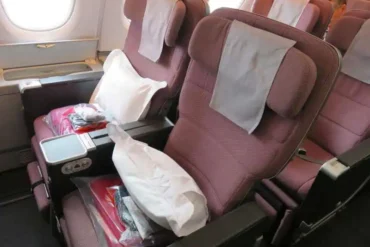
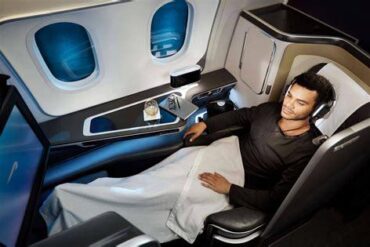
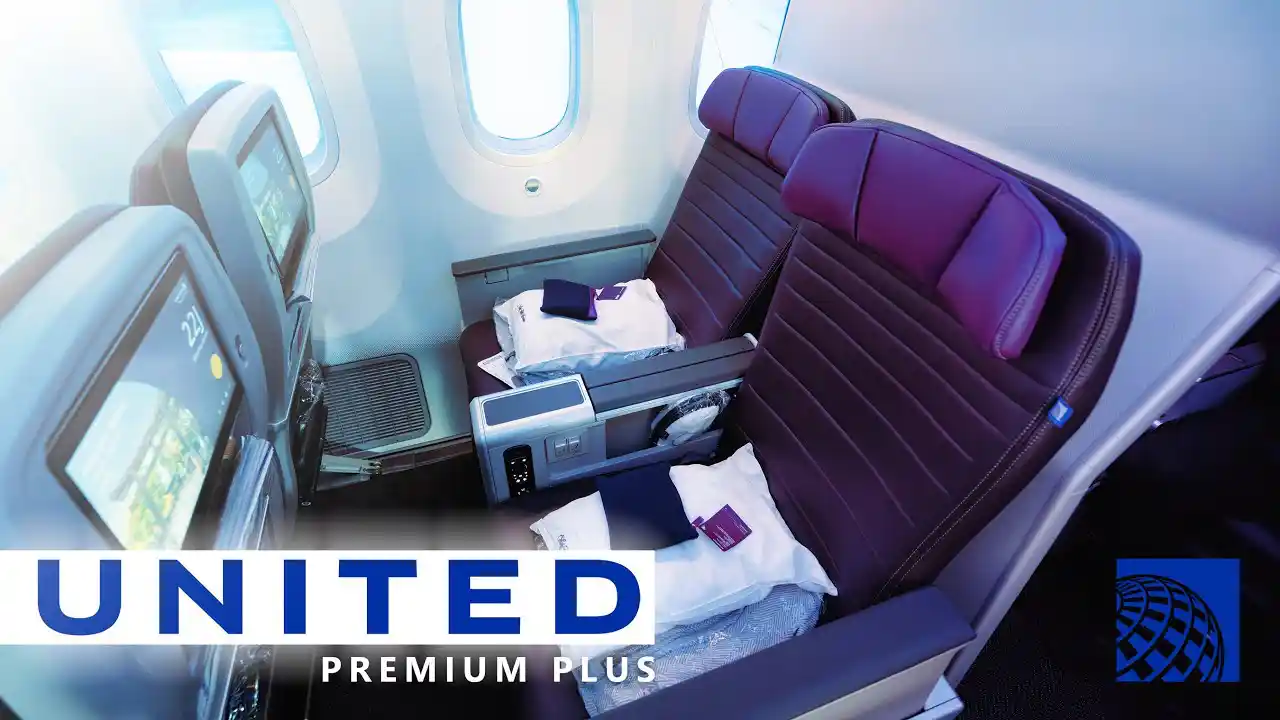
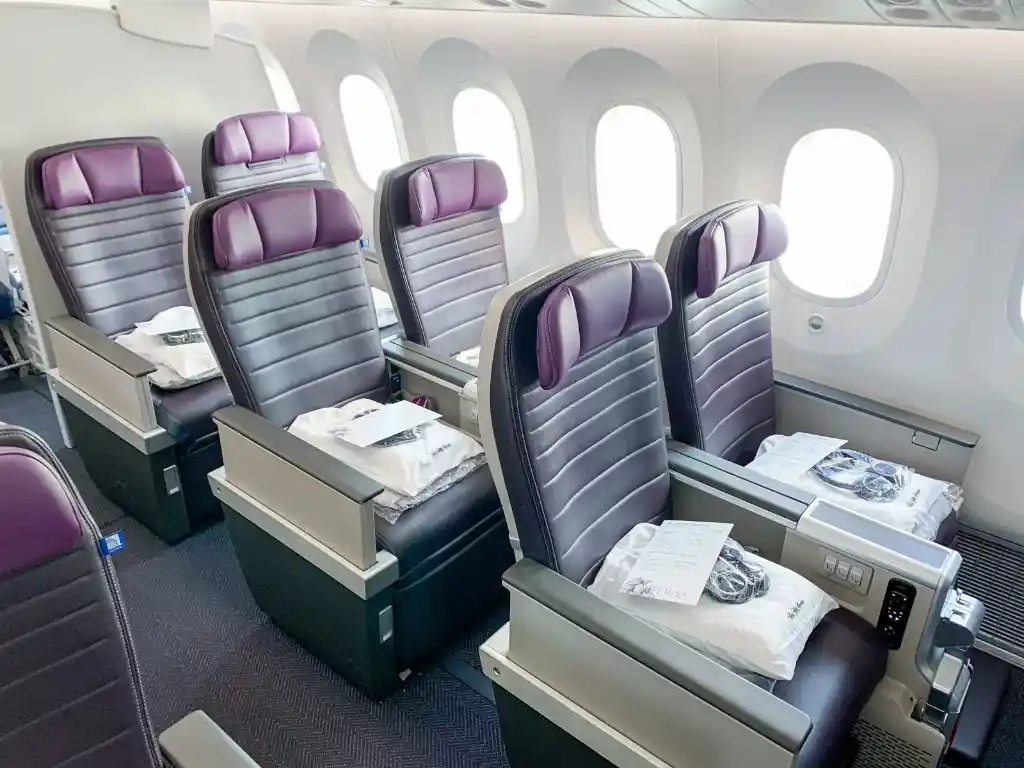
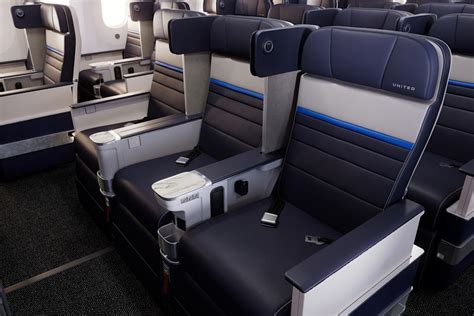
Premium Plus is United Airlines’ premium economy product, officially introduced in 2019. It sits above Economy Plus and below Polaris business class, both in price and in onboard experience. Unlike Economy Plus, which uses the same seat shell as standard economy, Premium Plus features a dedicated seat model that feels closer to domestic first class than to coach.
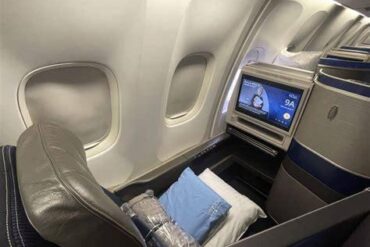
Seats are wider, legroom increases to roughly 38 inches, and every passenger gets a footrest, leg rest, and a noticeably larger entertainment screen. The tray table folds out from the armrest, creating more usable space, while additional seatback storage makes long flights feel less cluttered. These are small details individually, but together they transform how tolerable a 10- to 16-hour flight feels.
Service is also upgraded. Meals are plated on real dishes with metal cutlery, portions are larger, and the overall presentation is calmer and more deliberate because Premium Plus cabins are small. While the same flight attendants also serve economy, Premium Plus is always served first.
By the time travelers step off the aircraft, the difference is not subtle. The question becomes whether that difference justifies the price.
Where Premium Plus Is Available in United’s Fleet
United offers Premium Plus on nearly all of its international widebody aircraft. This includes Boeing 767s, international 777-200ERs, 777-300ERs, and the full Boeing 787 Dreamliner family. Domestic-only 777s are the main exception, as they do not operate long-haul international routes.
Premium Plus is also part of United’s future strategy. New Airbus A321neo aircraft for premium transcontinental routes and A321XLRs for transatlantic service will include Premium Plus seating, signaling that United views this cabin as a long-term revenue driver rather than a niche experiment.
The availability of Premium Plus across aircraft types matters because cabin size directly affects pricing. Smaller cabins mean fewer seats, and fewer seats in a high-demand category almost always push prices upward.
How Much Does It Cost to Upgrade to Premium Plus on United?
The short answer is that Premium Plus pricing varies dramatically. The long answer explains why.
On shorter transatlantic routes like Newark to London Heathrow, one-way Premium Plus fares can start around $550 during off-peak winter months. In summer, when demand spikes, those same seats often exceed $1,000 and can approach $2,000. Economy fares on the same route may range from $235 to over $600, while Polaris regularly clears $2,000.
Longer routes push the premium higher. From Chicago O’Hare to Tokyo Haneda, Premium Plus typically ranges between $1,230 and $2,100 one way. Economy may cost $544 to $800, while Polaris can soar well beyond $6,000 depending on season and demand.
Ultra-long-haul routes amplify this effect. On San Francisco to Singapore, one of United’s flagship long-haul services, Premium Plus prices range from roughly $1,060 to nearly $3,000 one way. Economy on the same flight can be under $500 during sales, but Polaris frequently exceeds $3,000 and climbs much higher during peak periods.
These numbers illustrate a crucial point: Premium Plus pricing is often closer to business class than many travelers expect.
Why Premium Plus Feels Expensive Compared to Economy
Premium Plus pricing can feel disproportionate if you look only at the physical seat. The reason lies in supply and demand, not just comfort.
United installs relatively few Premium Plus seats on its aircraft. Most widebodies feature between 21 and 24 seats, making it the smallest cabin onboard. Demand for premium economy worldwide has surged as corporate travel policies tighten and leisure travelers seek comfort without luxury pricing. United, however, sells fewer premium economy seats per flight than some competitors.
When demand outpaces supply, prices climb. On flights where Premium Plus sells out quickly, remaining inventory is priced aggressively. This explains why Premium Plus fares sometimes approach Polaris levels, even though the onboard experience is clearly different.
United executives have acknowledged this imbalance. Premium Plus cabins, by their own admission, are undersized relative to market demand. That reality is now shaping the airline’s future aircraft interiors.
The Value Equation: Is Premium Plus Worth the Upgrade?
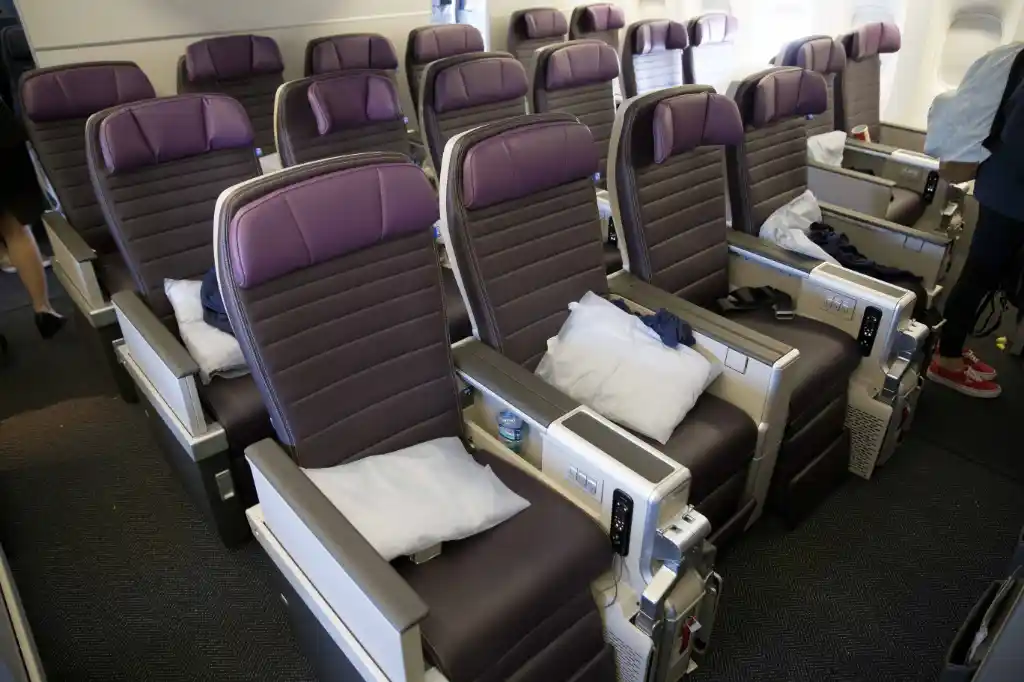
Value depends on how you define comfort. Premium Plus does not offer lie-flat beds, lounge access, or private suites. What it offers is sustainable comfort. On flights exceeding eight hours, the wider seat, deeper recline, and leg support reduce fatigue in a way economy simply cannot.
For travelers who struggle to sleep in economy but cannot justify Polaris pricing, Premium Plus often hits the sweet spot. For others, especially on shorter overnight routes, the premium may feel excessive.
One overlooked factor is arrival condition. Premium Plus passengers consistently report feeling less physically drained, which matters when landing in a different time zone with meetings or tight schedules ahead. That benefit does not show up on a fare comparison chart, but it often defines satisfaction with the purchase.
How United’s New Premium Plus Cabins Could Change Prices
Beginning in 2026, United will introduce a revised Premium Plus experience on new Boeing 787-9 (78L) aircraft. While the seat model remains the Collins Aerospace MiQ, the new version adds privacy wings, larger 16-inch screens, improved charging options, and dedicated storage for essentials.
The most important change is capacity. These aircraft will feature 35 Premium Plus seats, a significant increase over the current maximum of 24. With more seats available, pricing pressure may ease on routes where these aircraft operate.
Initial deployments include high-profile routes like San Francisco to Singapore and San Francisco to London, where Premium Plus demand is strongest. Over time, similar interiors are expected to roll out across more of United’s long-haul fleet, gradually normalizing pricing.
Comparing United Premium Plus to American and Delta
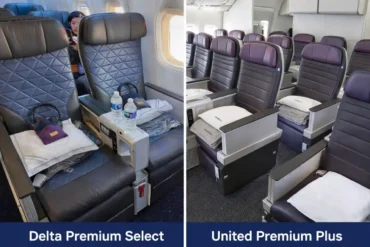
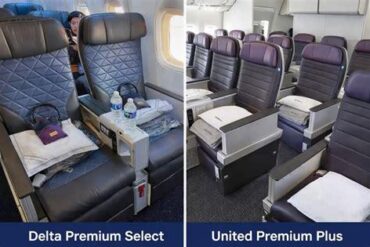
All three major U.S. airlines offer premium economy, and all rely heavily on variations of the Collins MiQ seat. In terms of physical comfort, United, American, and Delta are remarkably similar.
United and Delta include both leg rests and footrests, while American’s older Premium Economy seats omit the leg rest and feature slightly smaller screens. Newer American cabins, however, are closing that gap with upgraded designs.
Where United differs most is cabin size. American and Delta generally install more premium economy seats per aircraft, which helps stabilize pricing. United’s smaller cabins create scarcity, and scarcity drives cost.
For travelers comparing fares across airlines, this means United Premium Plus can sometimes be the most expensive premium economy option on competitive routes, despite offering a broadly similar product.
Booking Strategies That Affect Premium Plus Pricing
Premium Plus pricing is sensitive to timing. Booking early often yields lower premiums, especially on newly released schedules. Upgrading closer to departure usually costs more unless the cabin is undersold.
Another factor is fare class. Passengers booking higher economy fare buckets sometimes see lower upgrade offers than those holding deeply discounted tickets. Mileage upgrades and paid upgrades also fluctuate independently of published fares, creating occasional opportunities for value.
Flexibility remains the strongest tool. Travelers who can adjust dates by even a day or two often see substantial swings in Premium Plus pricing, particularly on transatlantic routes.
The Bottom Line on United Premium Plus Upgrade Costs
Upgrading to United Premium Plus is rarely cheap, but the pricing logic is consistent once you understand the forces behind it. Limited cabin size, strong global demand, and route-specific competition all push prices higher than many travelers expect.
For long-haul flights, especially those exceeding ten hours, Premium Plus can deliver meaningful comfort gains that justify the cost for travelers who value rest and space. On shorter routes, the equation becomes more personal, balancing price sensitivity against physical comfort.
As United expands Premium Plus capacity with new aircraft, pricing may soften on select routes. Until then, Premium Plus remains a premium product in every sense of the word—priced not just for what it is, but for how many people want it and how few seats are available.