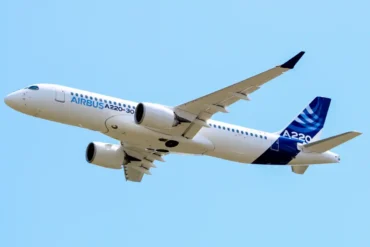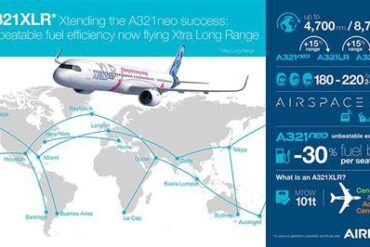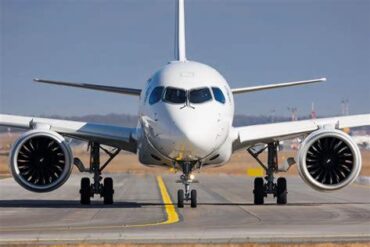
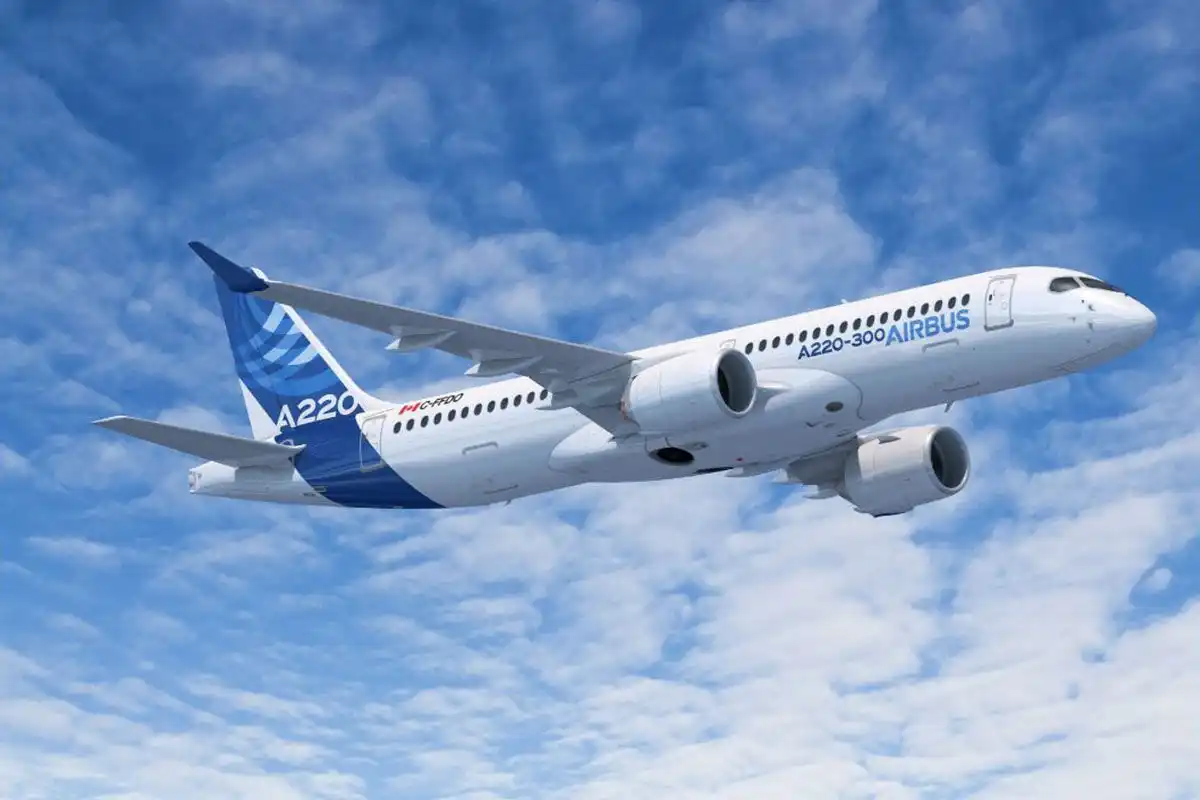
The Airbus A220 has become one of the most interesting aircraft programs in modern commercial aviation. Originally developed by Bombardier as the C Series, the aircraft entered the market with a clean-sheet design, advanced materials, powerful engines, and a passenger-friendly cabin that challenged the traditional expectations of small narrowbody aircraft. Now, Airbus is investing further in the A220 with a major cabin transformation and higher-capacity versions, raising an important question: why is Airbus creating a new A220?
The answer is not simply about adding seats or refreshing an interior. Airbus sees the A220 as a strategic aircraft family that can fill an important gap between regional jets and larger narrowbody aircraft. By introducing the Airspace cabin concept, increasing capacity to 160 seats, and improving operational efficiency, Airbus is attempting to make the A220 more competitive in a market dominated by the Airbus A320neo and Boeing 737 MAX families.
The A220 already has many advantages. It offers a spacious five-abreast cabin, oversized windows, excellent fuel efficiency, and long-range capability unusual for an aircraft of its size. However, Airbus believes that improving the passenger experience and expanding the aircraft’s commercial potential will help unlock stronger demand from airlines worldwide.
Airbus A220 Airspace Cabin Upgrade Brings Widebody Comfort to a Small Aircraft
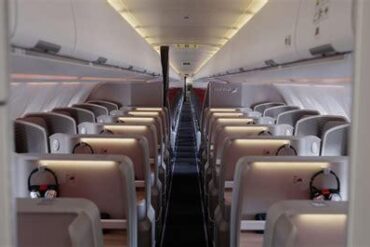
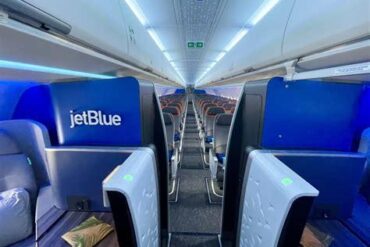
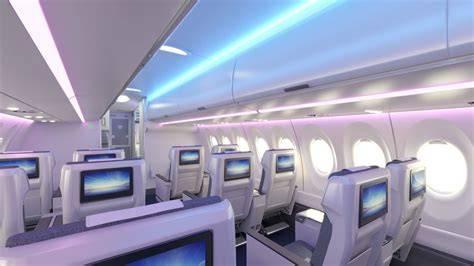
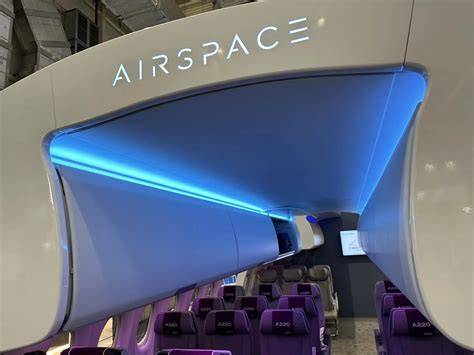
One of the biggest changes coming to the Airbus A220 is the introduction of the Airspace cabin, a design philosophy already used on Airbus’ larger aircraft, including the A350, A330neo, and A320neo families. The goal is to create a consistent passenger experience across the Airbus lineup while making the smallest member of the family feel more premium.
The A220 already has one of the most passenger-friendly cabins in the single-aisle market. Unlike many competing aircraft that use a six-abreast configuration, the A220 features a five-abreast layout. This gives passengers wider seats, more personal space, and a less crowded feeling during flights.
The Airspace upgrade builds on these strengths by introducing improved lighting, larger overhead bins, simplified storage mechanisms, and a more refined cabin atmosphere. Airbus believes these changes will help airlines offer a more comfortable experience without moving passengers into larger aircraft.
The new cabin lighting system is one of the most visible improvements. Using advanced LED technology, airlines can customize cabin colors and create different environments throughout a flight. The system can simulate sunrise, sunset, or relaxing nighttime conditions, helping reduce passenger fatigue during longer journeys.
According to Airbus, the customizable lighting can support passenger comfort by reducing the effects of jet lag. While this feature may seem like a small detail, airlines increasingly view cabin atmosphere as a competitive advantage as travelers compare different carriers based on the overall experience rather than only ticket prices.
The A220’s already impressive windows also become a major part of the Airspace design. Measuring approximately 11 inches by 16 inches, the aircraft’s windows are among the largest in its class and even exceed the size of windows found on some larger widebody aircraft. Their placement at eye level allows passengers to enjoy better outside views while creating a brighter cabin environment.
Why Airbus Is Increasing the Airbus A220-300 Capacity to 160 Seats
Another important reason Airbus is developing a new A220 is the planned introduction of a 160-seat Airbus A220-300 version. Currently, the A220-300 typically accommodates around 130 to 150 passengers depending on airline configuration. Increasing capacity allows Airbus to target more routes and compete directly with larger narrowbody aircraft.
The additional seats may appear to challenge the original purpose of the A220, which was designed as a smaller, more efficient aircraft. However, Airbus believes there is a growing market for airlines that need higher capacity without the operating costs of a larger aircraft.
Many airlines today face a difficult balance. They need enough seats to handle strong demand but cannot always justify operating larger aircraft. A more densely configured A220-300 could provide airlines with a flexible solution for high-demand regional routes, domestic markets, and thinner international services.
The 160-seat configuration also strengthens the A220’s position against aircraft such as the smaller versions of the Boeing 737 MAX and the Airbus A319neo. By offering more seats while maintaining excellent fuel efficiency, Airbus can give airlines another option between traditional regional aircraft and larger single-aisle jets.
The expanded capacity is expected to become available around 2027. This timing is important because airlines are increasingly looking for aircraft that can reduce fuel consumption while handling growing passenger numbers.
The Airbus A220’s Advanced Technology Makes It Different
The A220 is not simply a smaller aircraft. It was designed from the beginning as a modern aircraft using technologies that were previously limited to larger commercial jets.
The aircraft features a carbon composite wing, an aluminum-lithium alloy fuselage, fly-by-wire flight controls, and optimized aerodynamics. These technologies reduce weight while improving efficiency, allowing the A220 to deliver impressive performance compared with older aircraft.
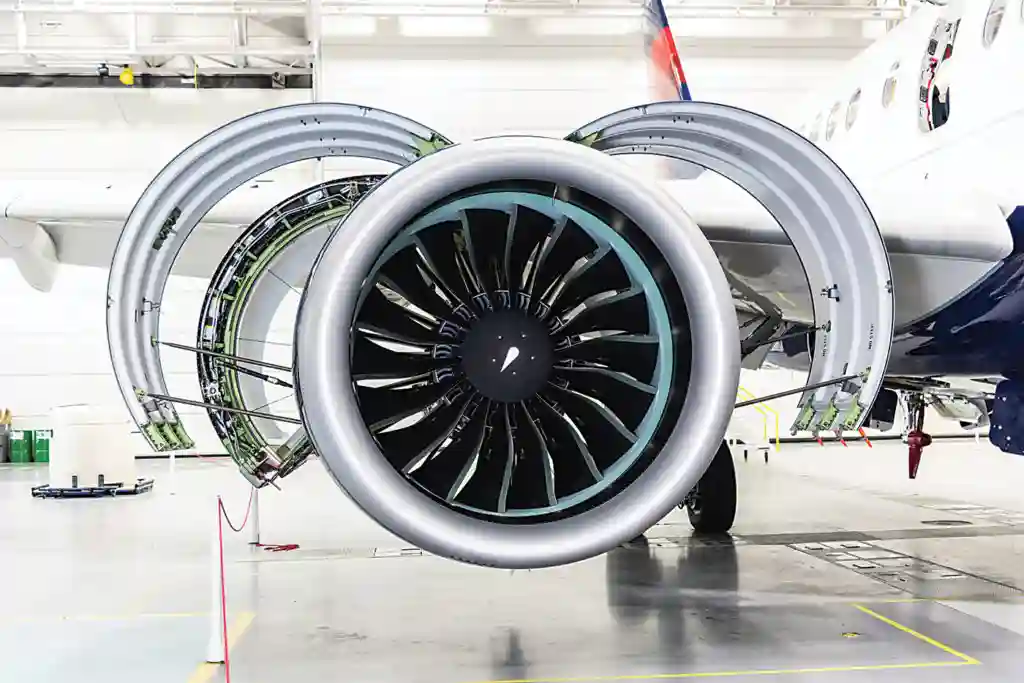
Powering the A220 are two Pratt & Whitney PW1500G geared turbofan engines. These engines were designed to provide lower fuel consumption, reduced emissions, and quieter operation compared with previous-generation engines.
The combination of lightweight construction and efficient engines gives the A220 approximately 25% lower fuel burn per seat compared with older narrowbody aircraft such as the Boeing 737-600. For airlines facing rising fuel costs and stricter environmental regulations, this efficiency is one of the aircraft’s strongest selling points.
The A220-300 has a range of roughly 3,400 nautical miles, allowing it to operate routes far beyond traditional regional missions. This capability enables airlines to connect smaller cities directly with international destinations, creating new opportunities that might not justify larger aircraft.
Airbus A220 Sales Challenges and Future Growth Plans
Despite its technical advantages, the A220 program has faced challenges. Airbus delivered hundreds of aircraft and built a strong reputation among passengers and airlines, but sales momentum has not always matched expectations.
The aircraft program inherited difficulties from its Bombardier origins, including high development costs and production challenges. After Airbus acquired a majority stake in the program in 2018, the aircraft was renamed the A220 and became part of the Airbus commercial aircraft family.
Today, more than 500 A220 aircraft have been delivered, with over 30 airlines operating the type worldwide. Airlines such as Delta Air Lines have become major supporters of the aircraft, demonstrating its ability to serve demanding commercial operations.
However, competition remains intense. The A220 competes in a market where airlines often prefer aircraft families with larger fleets and established support networks. The A320neo and Boeing 737 MAX benefit from decades of market presence and thousands of deliveries.
Airbus believes that improving the passenger experience and expanding the aircraft’s capacity will make the A220 more attractive. A more premium cabin could help airlines differentiate their products, while additional seats could improve profitability.
Production increases are also part of Airbus’ strategy. The manufacturer has been working to increase A220 output, with plans to reach higher monthly production rates as supply chain conditions improve.
Why the New Airbus A220 Matters for the Future of Aviation
The development of the new Airbus A220 represents more than an interior update. It shows Airbus’ long-term commitment to creating a more efficient and flexible aircraft family.
The aviation industry is changing rapidly. Airlines want aircraft that consume less fuel, produce fewer emissions, and provide passengers with better experiences. The A220 was already designed around these principles, but Airbus believes further improvements are necessary to maximize its potential.
The Airspace cabin allows the aircraft to deliver a premium experience usually associated with larger jets. The 160-seat configuration expands its commercial possibilities. Together, these changes could transform the A220 from a niche aircraft into a major player in the global single-aisle market.
The aircraft also represents an important technological step. Its clean-sheet design demonstrates how modern engineering can create smaller aircraft with capabilities once reserved for larger jets.
For passengers, the result could be more comfortable flights with larger windows, quieter cabins, better lighting, and more personal space. For airlines, the A220 offers efficiency, flexibility, and the ability to serve markets where larger aircraft may not be practical.
Airbus A220’s Next Chapter Could Redefine Small Narrowbody Aircraft
Airbus is creating a new A220 because the company believes the aircraft has much more potential than its original role suggested. By combining advanced technology, improved cabin design, and increased capacity, Airbus is positioning the A220 as a next-generation solution for airlines seeking efficiency and passenger satisfaction.
The aircraft may never replace the larger A320neo family, but it does not need to. Its strength lies in offering something different: a smaller aircraft with premium comfort, impressive range, and modern economics.
As airlines continue searching for efficient aircraft in a changing aviation environment, the upgraded Airbus A220 could become one of the most important narrowbody aircraft of the next decade.