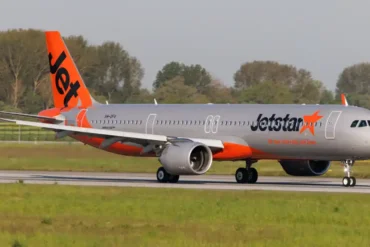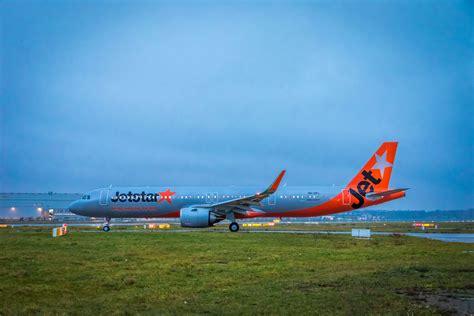
Jetstar has unveiled a bold new long-haul narrowbody service linking Perth and Christchurch, restoring a nonstop connection between Western Australia and New Zealand’s South Island for the first time in nearly seven years. Beginning October 27 and running seasonally through March 27, the route will span more than 3,000 miles across the Tasman Sea, marking a significant milestone for the low-cost carrier’s expanding trans-Tasman footprint.
The new service reconnects two cities that have lacked direct flights since Air New Zealand withdrew its seasonal operation in 2019. That earlier link, once flown by widebody aircraft including the Boeing 767-300, 787-9, and 777-200, disappeared in the wake of pandemic-era restructuring. Jetstar’s entry reintroduces nonstop convenience, but with a different operational philosophy: leaner economics, high-density seating, and the efficiency of the Airbus A321LR.
A 3,000-Mile Narrowbody Mission Across the Tasman
At the heart of the launch is the Airbus A321LR, configured in an all-economy layout seating up to 232 passengers. This long-range variant of the A321neo family has transformed route economics for airlines worldwide, capable of operating thin, long-haul sectors once dominated by widebodies. For Jetstar, the Perth–Christchurch sector represents one of the aircraft’s most demanding missions in the network.
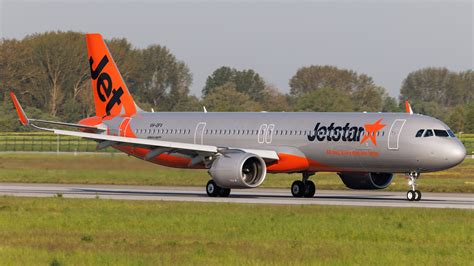
The westbound flight from Christchurch to Perth is scheduled at seven hours and 15 minutes, while the eastbound leg from Perth to Christchurch is timed at six hours and 10 minutes. The longer westbound sector reflects prevailing winds over the Tasman. For a single-aisle aircraft operating such a duration, efficiency becomes paramount—fuel burn, payload management, and turnaround times must align precisely to maintain profitability in a competitive market.
Operating three times weekly on Tuesdays, Thursdays, and Saturdays, the service will add approximately 30,000 seats during the Southern Hemisphere summer. Flight JQ185 departs Perth at 7:45 am and arrives in Christchurch at 6:55 pm local time. The return, JQ184, leaves Christchurch at 8:15 pm and touches down in Perth at 10:30 pm.
Low-Cost Model Meets Long-Haul Duration
Jetstar’s low-cost carrier model remains intact on this extended sector. Passengers can expect an unbundled experience: checked baggage and meals are offered at additional cost, and in-flight entertainment is not seatback-based. Instead, travelers are encouraged to bring personal devices, with onboard menu options available for purchase or pre-order.
This approach reflects the airline’s broader strategy—stimulate demand through competitive base fares while allowing ancillary revenue streams to support margins. On a seven-hour journey, that model requires careful passenger preparation, yet it also makes long-haul travel accessible to a wider segment of the market.
Strategic Timing and Network Connectivity
While the Perth–Christchurch flights do not align perfectly with all departure waves from Western Australia, they still offer strategic connectivity benefits. Some inbound early-morning arrivals from Asia, including Jetstar’s Bangkok–Perth service landing at 5:40 am, can feed into the Christchurch departure later that morning.
Perth itself has emerged as a growing long-haul hub for both Jetstar and Qantas. Jetstar operates nonstop services to leisure-heavy Asian destinations such as Phuket, Bangkok, and Bali. Qantas complements this with year-round flights to Singapore, Johannesburg, London, and Paris, alongside seasonal Rome operations. Though not marketed as seamless one-ticket connections in every case, the schedule opens the possibility for stopovers and onward travel combinations.
Restoring Direct Access to New Zealand’s South Island
For Christchurch, the route represents the third new trans-Tasman addition in recent years. Jetstar previously introduced nonstop flights to Cairns on a year-round basis, while Air New Zealand added seasonal Adelaide services. The reinstated Perth link strengthens Christchurch Airport’s international reach, particularly for leisure travelers heading to the South Island’s alpine landscapes, wine regions, and adventure tourism corridors.

Since 2019, travelers journeying between Perth and Christchurch have faced multi-stop itineraries via Auckland or eastern Australian gateways such as Melbourne, Sydney, or Brisbane. The return of a nonstop option eliminates hours of transit time and reduces travel friction, particularly during peak summer demand.
Jetstar’s Expanding Trans-Tasman Presence
Jetstar has methodically broadened its New Zealand operations in recent years. The airline maintains a base in Christchurch, offering direct links to Melbourne, the Gold Coast, Cairns, and now Perth seasonally. Auckland remains a central node in its network, with services connecting to Melbourne, Sydney, Brisbane, the Gold Coast, and the Sunshine Coast. Wellington sees nonstop operations to the Gold Coast.
Beyond the primary gateways, Jetstar has distinguished itself by restoring international connectivity to secondary cities. It became the only airline to resume overseas services from both Dunedin and Hamilton after extended suspensions, linking them with Sydney and the Gold Coast multiple times per week. This pattern underscores a strategy focused not merely on trunk routes, but on underserved city pairs where cost discipline and right-sized aircraft unlock latent demand.
The Longest Narrowbody Stage in the Fleet
By block time, the Perth–Christchurch route temporarily stands as Jetstar’s longest narrowbody service. That distinction highlights the evolving capabilities of modern single-aisle aircraft. Just a decade ago, a 3,000-mile oceanic sector would have been firmly within widebody territory. Today, improved fuel efficiency, advanced aerodynamics, and extended-range fuel tanks have shifted the economics decisively.
The launch signals confidence in sustained leisure and visiting-friends-and-relatives traffic between Western Australia and New Zealand. It also reinforces Perth’s positioning as a strategic western gateway for Australia, capable of supporting both Europe-bound widebody flights and long-range narrowbody links deeper into the Pacific.
Jetstar’s new service is more than a schedule addition; it is a case study in how aircraft innovation reshapes geography. When a single-aisle jet can cross oceans with commercial viability, distance becomes less of a barrier and more of an invitation.