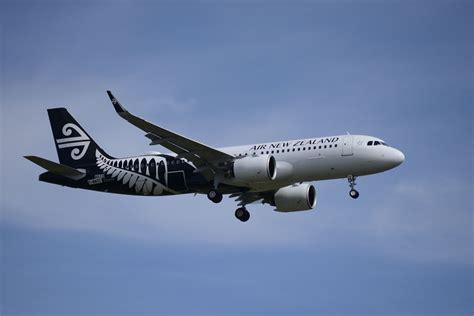
Air New Zealand has unveiled a significant development in its trans-Tasman operations, announcing the launch of a Christchurch-Adelaide direct service set to commence on October 27, 2025. This long-anticipated route is the result of strategic aircraft repositioning and a gradual resolution of lingering engine shortages, which had previously grounded several aircraft and stalled expansion plans.
CEO Greg Foran likened the situation to a rugby team operating with key players in the sin bin — unable to compete at full strength. “Christchurch-Adelaide was always on our list of things to do,” Foran stated. “But we simply didn’t have the aircraft available to make it happen.”
Leased Engines Power New Momentum
At the heart of Air New Zealand’s renewed expansion lies its successful leasing of additional Pratt & Whitney PW1100G engines — a move Foran acknowledges comes at a premium. “It comes at a cost,” he said, “but we think it’s important that we can start to get a bit more flying into the system.”
This development follows persistent issues with both Pratt & Whitney and Rolls-Royce engines that had plagued the airline for months, grounding up to six aircraft at a time. The situation severely hampered Air New Zealand’s ability to meet demand, especially across high-traffic domestic and international routes.
With the return of refurbished engines from manufacturers and the integration of leased units, Air New Zealand has begun restoring capacity. The current reduction to four aircraft on ground (AOG) represents a turning point, enabling the airline to reintroduce suspended services and introduce new ones.
A Welcome Return: Christchurch to Adelaide
The new Christchurch-Adelaide connection marks the first direct service on this route in years and will operate twice weekly — departing Mondays and Fridays — until March 27, 2026, pending regulatory approval. Fares will start at NZD $340 one-way.
Approximately 15,000 seats will be offered over the operating period, providing travelers with a convenient direct link between New Zealand’s South Island and the capital of South Australia. For Christchurch-based passengers, it significantly cuts down the need for transfers through Auckland or Melbourne.
Increased Domestic Frequencies Also Announced
The announcement coincided with news of additional capacity across Auckland-Dunedin, Auckland-Christchurch, and Auckland-Queenstown routes. These increases are expected to contribute an additional 36,000 seats to domestic operations starting this month.
Foran emphasized that regaining aircraft availability wasn’t just about overseas destinations. “We’re putting capacity back into domestic as well. We know that regions have been underserved while we’ve had aircraft down, and this is part of correcting that.”
New Aircraft From Toulouse Bolster Fleet Strength
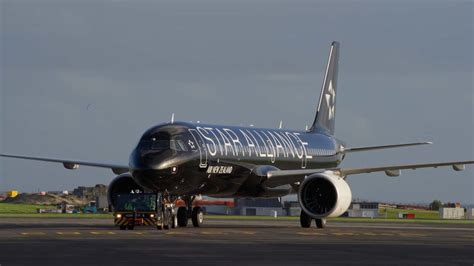
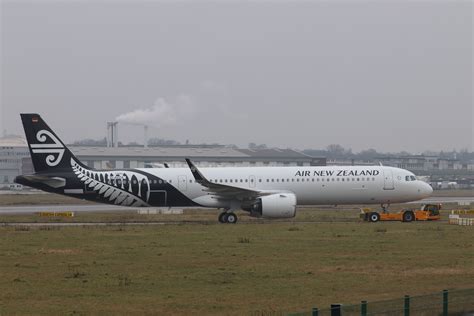
Further boosting its fleet, Air New Zealand has also welcomed two new Airbus A321neo aircraft fresh from Toulouse, France. These aircraft are internationally configured, tailored for medium-haul routes like those across the Tasman.
“They are literally landing as we speak,” Foran noted. The aircraft will enhance seat capacity and provide a modern passenger experience with fuel-efficient performance and upgraded cabin interiors.
Strategic Route Development in the Face of Industry Constraints
The timing of the Christchurch-Adelaide launch aligns with broader efforts to reposition the airline’s network following operational disruptions. Supply chain delays, component shortages, and a global backlog in engine servicing have severely constrained the aviation sector.
The International Air Transport Association (IATA) recently described the global engine reliability issues — particularly with the PW1100G-JM — as “unacceptable,” highlighting their widespread impact on airline schedules, capacity, and profitability.
Air New Zealand’s strategic decision to bear the cost of leasing engines rather than wait for fully repaired units demonstrates a proactive approach. It reflects a broader industry trend: airlines are willing to accept short-term costs in favor of securing longer-term network integrity and customer satisfaction.
Passenger Benefits and Market Reactions
The Christchurch-Adelaide service is expected to benefit not just leisure travelers but also business passengers and freight operators. Adelaide serves as a key Australian gateway with economic ties to South Island exporters and a growing New Zealand diaspora.
For travel agents and tour operators, the route’s reinstatement presents new package opportunities, particularly for summer 2025–26 travel. With the service targeting peak demand season, expectations are high for solid load factors.

Regulatory Approval Still Pending, But Confidence High
While Air New Zealand awaits formal regulatory clearance for the Christchurch-Adelaide route, industry observers suggest approval is a formality given the airline’s existing rights and precedent.
Given the airline’s stature and Australia-New Zealand open skies arrangements, the twice-weekly service is unlikely to face hurdles. Air New Zealand has expressed confidence that the regulatory process will be completed in time for the inaugural October flight.
What Comes Next: Broader Implications and Future Plans
The easing of the engine shortage and the arrival of new aircraft signal broader ambitions for Air New Zealand in both the trans-Tasman and Pacific Rim markets. Foran hinted at further announcements to come, especially as more aircraft come online and engine returns continue.
He also hinted at evaluating underutilized routes and seasonal demand spikes, which may result in flexible scheduling and short-term route experiments. The Christchurch-Adelaide service, with its fixed seasonal window, may serve as a template for similar strategies.

Conclusion: A Rebuilding Phase With Eyes on Expansion
After months of constrained operations, Air New Zealand appears to be regaining its operational rhythm. By combining leased engines, newly delivered aircraft, and a deliberate focus on passenger demand, the airline is piecing together a recovery roadmap.
The Christchurch-Adelaide route may be just one piece, but symbolically, it represents the first full stride back into trans-Tasman competitiveness — a market long dominated by Qantas and Virgin Australia. With 15,000 new seats, two new aircraft, and 36,000 additional domestic opportunities, Air New Zealand is making a clear statement: it’s back in the game — and ready to fly full strength once again.