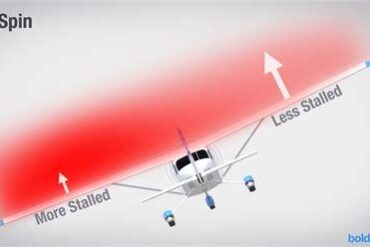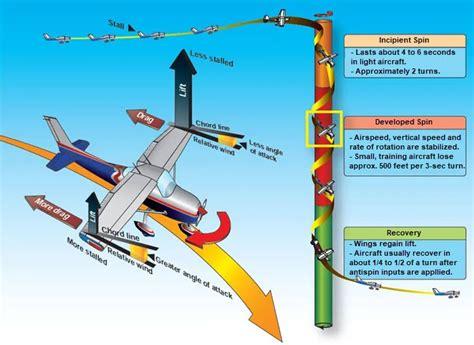
Flying a single-engine propeller aircraft presents unique aerodynamic behaviors, particularly when entering a spin. In this exploration, we examine whether a left spin differs from a right spin in terms of spin characteristics and ease of recovery, focusing on an aircraft with a right-turning propeller as viewed from the cockpit. We aim to clarify both the physics behind these spins and the practical implications for pilots, drawing insights from established aerodynamics principles and pilot experiences.
Understanding the Aerodynamic Forces in a Spin
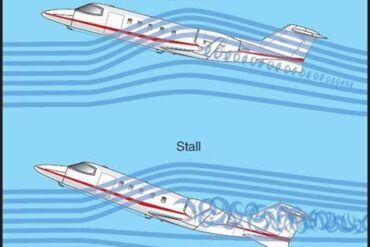
At the heart of a spin are two simultaneous conditions: a stalled wing and yaw motion. For an aircraft with a right-turning propeller, several forces interact during a spin:
- P-factor (asymmetric thrust)
- Spiraling slipstream
- Gyroscopic precession
- Torque reaction
These forces create different effects depending on the direction of the spin. In a left spin, the yaw aligns with the propeller’s left-turning tendency induced by torque and P-factor. Conversely, in a right spin, these forces act against the spin direction.
Comparing Left vs. Right Spins: Theoretical Differences
Theoretically, a left spin in a right-turning propeller aircraft experiences amplification of yaw and roll forces because the inherent left-turning tendencies of the propeller align with the spin direction. This may result in:
- A flatter spin attitude, as gyroscopic precession introduces a pitch-up moment in a left yaw.
- A slower spin rate due to increased radius of rotation (similar to a figure skater extending arms).
In contrast, a right spin counters some of the propeller’s yawing forces, resulting in:
- A steeper nose-down attitude.
- A higher spin rate with potentially faster angular momentum.
These theoretical effects imply that a left spin might be slightly more stable and flatter, while a right spin is more nose-down and dynamic.
Ease of Recovery: Is One Spin Harder to Exit?
Recovery from a spin follows the well-established PARE procedure:
- Power to idle
- Ailerons neutral
- Rudder opposite to spin
- Elevator forward (nose down)
With power at idle, propeller-induced forces diminish significantly. This neutralization of thrust asymmetries means that, in practice, the differences between left and right spins become less pronounced during recovery. However, subtle distinctions remain:
Pilots report that left spins in a right-turning propeller aircraft may require more aggressive recovery inputs if the spin becomes flatter or stabilized by gyroscopic effects. This is especially true in aerobatic aircraft or designs with large, heavy propellers.
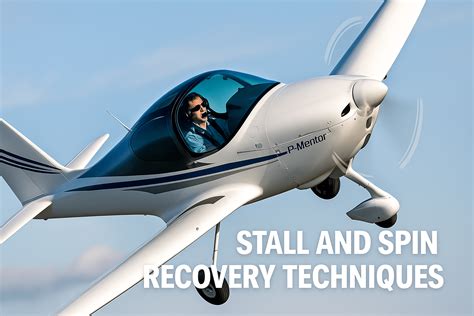
Conversely, right spins tend to have a steeper nose-down attitude, making gravity assist in breaking the stall more readily. Therefore, right spins can be marginally easier to recover from, as the aircraft’s aerodynamic forces are more favorable toward natural stall recovery.
Pilot Perception and Practical Impact
From the pilot’s perspective, the difference between left and right spins can range from subtle to noticeable, depending on the aircraft model. In light training aircraft like a Cessna 152 or Piper Warrior, these differences are often negligible, with most pilots reporting symmetric behavior under idle power spin recovery.
However, in aerobatic aircraft such as the Pitts Special, the effects are more pronounced. Pilots note that upright left spins are flatter and may demand greater rudder and forward elevator input to exit, particularly if power is added during the spin.
Additionally, aircraft with large-diameter, high-inertia propellers experience more significant gyroscopic moments, amplifying the left spin’s pitch-up tendency. In such cases, improper recovery technique or delayed inputs could lead to prolonged spins or difficulty breaking the stall.
Effect of Engine Power on Spin Dynamics
It’s crucial to recognize that engine power plays a significant role. At higher power settings, propeller-induced yaw and precession are stronger, intensifying differences between left and right spins. Conversely, at idle power, these effects diminish, leading to more symmetrical spin dynamics.
Thus, the key variable is whether power is maintained or reduced during the spin. Training procedures universally mandate reducing power to idle to mitigate these asymmetries and simplify recovery.
Implications for Spin Training and Safety
Flight training programs emphasize spin recovery under standardized conditions—typically at idle power and using symmetrical control inputs. Given the reduced influence of propeller forces at idle, most pilots are unlikely to experience significant asymmetry between left and right spins in normal training environments.
However, instructors caution that under non-standard conditions, such as deliberate flat spins, aerobatics with power, or spins initiated from unusual attitudes, the differences become critical. In these scenarios, a deeper understanding of propeller dynamics and gyroscopic effects is essential for safe recovery.
Furthermore, aircraft certification standards often include spin testing in both directions to validate recovery characteristics. Designers account for these subtle differences through tail design, rudder authority, and structural considerations.
Conclusion: Does Spin Direction Matter?
In summary, the direction of spin in a single-engine propeller aircraft with a right-turning propeller does create aerodynamic differences, though their practical impact depends greatly on aircraft design, power settings, and flight context.
We find that:
- Left spins are theoretically flatter and may resist recovery more under power due to reinforcing yaw and gyroscopic precession.
- Right spins are typically steeper and more responsive to recovery inputs, aided by aerodynamic forces opposing the propeller’s natural yaw.
Nevertheless, under standard training conditions with power reduced to idle, these differences are minimized to the point of negligible impact for most general aviation aircraft.
For advanced or aerobatic pilots, awareness of these dynamics is critical, especially in scenarios where spins are performed under non-idle power settings or intentional flat spin conditions.
In all cases, strict adherence to established recovery procedures and maintaining proficiency in spin recovery techniques remain the most effective safeguards against spin-related accidents.
Understanding the nuanced interplay of propeller dynamics, spin direction, and aircraft design empowers pilots to respond confidently and effectively, ensuring safety across a broad range of flight conditions.