The MIL-STD-704 standard is one of the cornerstones of military aviation, defining essential electrical power characteristics for military aircraft. This United States Military Standard ensures a uniform interface between an aircraft’s electrical systems and its various equipment and stores, guaranteeing both efficiency and safety during operations. This article explores the key components of MIL-STD-704, including its influence on AC and DC systems, voltage and frequency specifications, and its applications in modern military aviation.
The Core Purpose of MIL-STD-704
MIL-STD-704 sets the technical groundwork for the integration of aircraft electrical power systems with onboard and external equipment. This standard is not just limited to defining voltage and current characteristics but extends to cover aspects like power factor, electrical noise, and abnormal conditions such as overvoltage or undervoltage. Its main objective is to ensure interoperability between a wide range of electrical systems and equipment, whether military or commercial.
Key Features of MIL-STD-704
The standard comprehensively covers both AC and DC power systems. Here’s a closer look at the characteristics that make MIL-STD-704 essential for aircraft electrical infrastructure:
- AC Systems: These systems typically operate at 115/200 volts, 400 Hz, with the 400 Hz representing the frequency for three-phase power. Variable frequency systems are also permissible, allowing them to switch between 360 Hz and 800 Hz.
- Double Voltage Systems: These systems use the same frequency (400 Hz) but at a different voltage of 230/400 volts.
- Secondary Power Systems: These systems can either be variable frequency or double voltage, with certain configurations utilizing 115 volts at 60 Hz. This is particularly relevant when using commercial off-the-shelf products that are designed to run on standard mains electricity.
- DC Systems: These are defined to run at either 28 volts or 270 volts, depending on the needs of the aircraft and the equipment in use.
Detailed Examination of Aircraft Power Groups
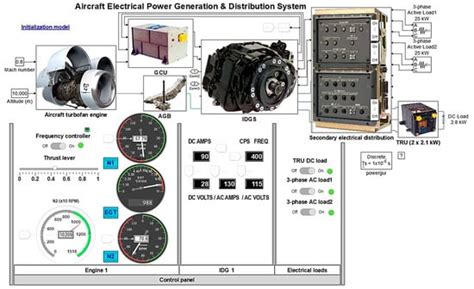
MIL-STD-704 divides aircraft electrical systems into different power groups based on their specific needs and operational conditions. These power groups are designed to manage the various types of electrical loads that a modern aircraft might encounter, from avionics to power generation and propulsion systems. The standard specifies how these different power groups should interact and how compliance can be verified.
Each power group operates under specific aircraft electrical operating conditions that ensure safe and efficient power delivery. These include considerations for both routine and emergency conditions, with detailed testing procedures outlined in the MIL-HDBK-704, a companion handbook that provides additional guidance for testing equipment compliance with MIL-STD-704.
MIL-HDBK-704: The Testing Companion
The MIL-HDBK-704 serves as a critical document for ensuring that military equipment complies with the electrical power specifications set forth in MIL-STD-704. The handbook is divided into eight parts, each of which focuses on a different aspect of compliance testing for utilization equipment. For example, the first part offers general guidance on compliance tests, providing a clear overview of aircraft electrical power groups and utilization equipment specifications.
Parts 2 through 8 of the MIL-HDBK-704 delve deeper into the testing procedures for specific power groups, allowing for thorough verification of equipment compatibility. These parts ensure that each type of equipment, whether avionics, lighting systems, or fuel management systems, operates seamlessly within the defined power characteristics.
Understanding the Impact on Modern Military Aircraft
The influence of MIL-STD-704 on contemporary military aviation cannot be overstated. As modern military aircraft become increasingly complex, the need for reliable and standardized electrical systems becomes even more crucial. MIL-STD-704 helps manage the integration of a multitude of systems, including flight control, navigation, communication, and weaponry, by ensuring that they all share a common electrical infrastructure.
By standardizing power characteristics, MIL-STD-704 reduces the risk of electrical malfunctions that could disrupt critical systems during missions. The flexibility offered by the variable frequency systems also allows military aircraft to operate efficiently in diverse operational environments, whether in extreme altitudes, hot climates, or when interfacing with different ground support equipment.
Real-World Applications of MIL-STD-704
The utility of MIL-STD-704 extends beyond the aircraft itself. The standard plays a significant role in the broader ecosystem of military aviation, particularly when it comes to ground support equipment (GSE). Aircraft ground power units, for instance, are required to meet MIL-STD-704 to ensure they provide the appropriate power for starting engines, maintaining systems, and troubleshooting aircraft electronics. Ground crews depend on these systems to provide consistent, reliable power when performing pre-flight checks, repairs, and other essential tasks.
Similarly, external carriage stores, such as weapons, sensors, or reconnaissance equipment, must also adhere to the standards outlined in MIL-STD-704. This ensures that the aircraft can safely deliver power to external systems without compromising performance or safety.
The Future of MIL-STD-704 and Aircraft Power Systems
As technology continues to evolve, MIL-STD-704 must adapt to meet the demands of new aircraft and systems. Modern military aircraft are increasingly incorporating advanced electrical technologies such as fly-by-wire systems, advanced avionics, and high-powered radar and sensor systems, all of which place new demands on electrical power systems. The evolution of military standards like MIL-STD-704 will be critical in ensuring that these new technologies are fully integrated into existing infrastructure.
Furthermore, with the ongoing shift towards hybrid and electric aircraft, MIL-STD-704’s role in defining power characteristics will become even more central to ensuring the safe operation of these next-generation platforms. As military aircraft continue to push the boundaries of performance and capability, the standards for their electrical systems must remain as flexible and robust as the systems they support.
Conclusion: A Critical Standard for Future Aviation
MIL-STD-704 is far more than a technical specification; it is a vital framework that underpins the safe and efficient operation of modern military aircraft. By standardizing electrical power characteristics, the standard helps ensure that diverse systems can operate in harmony, providing critical functionality during missions. Its impact on aircraft design, military operations, and ground support cannot be understated, and as technological advancements continue, MIL-STD-704 will remain a cornerstone of military aviation infrastructure.