When analyzing stall characteristics between high-wing and low-wing aircraft, we must go beyond simple assumptions and explore the complex aerodynamic behaviors that define these events. While the positioning of the wings influences several stability factors, the truth is that many intricate elements, such as aircraft design, wing shape, and airflow interactions, play crucial roles in how an aircraft stalls. In this article, we explore the deep details of stall behavior, stability differences, and real-world pilot experiences between high-wing and low-wing configurations.
Understanding the Fundamentals of Aircraft Stall
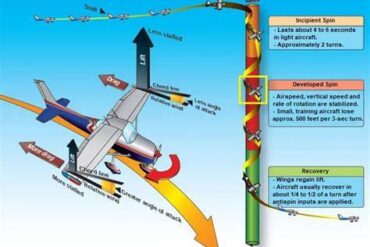
A stall occurs when the angle of attack (AoA) exceeds the critical threshold, causing a sharp reduction in lift. Regardless of whether an aircraft is high-wing or low-wing, this aerodynamic principle remains constant. What changes is how different configurations interact with airflow, stability, and control effectiveness during the stall process.
High-Wing Aircraft: Stability and Predictable Stall Behavior
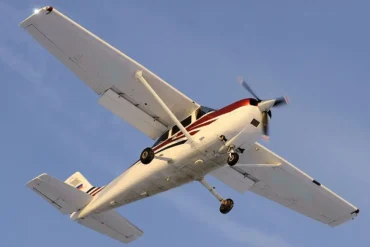
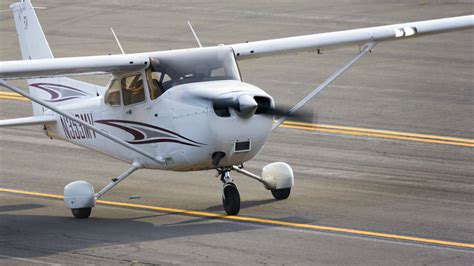
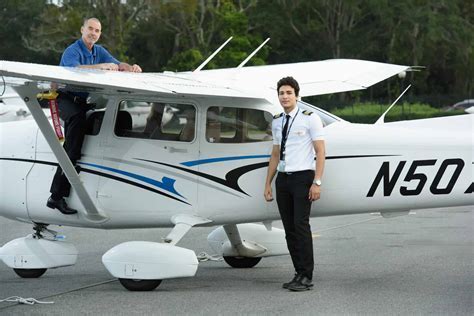
High-wing aircraft, such as the Cessna 172 and Piper Cub, are recognized for their inherent stability. The wings are mounted above the center of gravity, creating a pendulum-like effect. This positioning leads to greater lateral stability, especially during low-speed and high AoA situations.
In a stall, a high-wing aircraft tends to exhibit a more docile and predictable behavior. Due to the natural restoring force from the high-wing arrangement, roll oscillations are minimized. The stall often progresses symmetrically across the wing span, giving the pilot ample warning signs such as buffeting and sluggish controls before the full stall occurs. Pilots often describe the nose-down break as gradual and controllable.
However, in terms of pitch behavior, high-wing aircraft are not immune to challenges. While the wings are less likely to blank the tail in a stall compared to low-wing designs, disrupted airflow at high AoA can still degrade elevator effectiveness, albeit generally to a lesser extent. Thus, the pitch response remains manageable but requires proper technique to maintain.
Low-Wing Aircraft: Subtle Differences and Potential Elevator Effects
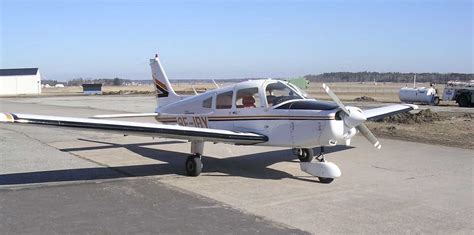
Low-wing aircraft, such as the Piper Warrior and Mooney M20J, offer different dynamics. The wings are attached below the fuselage, closer to the center of mass horizontally. This setup inherently provides less lateral stability compared to high-wing designs, particularly in slow-flight or near-stall conditions.
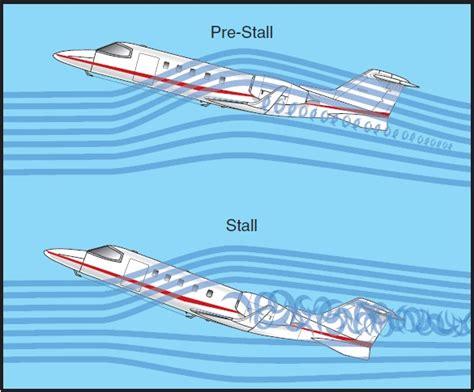
When a low-wing aircraft stalls, some pilots report a slightly sharper break and a greater likelihood of rolling tendencies if coordination is lost. One of the discussed theories behind this behavior involves the airflow disruption over the horizontal stabilizer. In a high AoA scenario leading up to a stall, the low-mounted wings could potentially “blank” the elevators. This airflow interference can reduce the authority of the pitch control surfaces, making recovery slightly more demanding in poorly coordinated stalls.
Nevertheless, it is critical to note that properly rigged and maintained aircraft, regardless of wing position, are designed to exhibit benign stall characteristics. Certification standards, particularly under FAA regulations, ensure that general aviation aircraft stall in a controllable manner without sudden or violent behavior.
Wing Shape and Stall Behavior: A Critical Overlooked Factor
While the high-wing vs low-wing debate is prevalent, wing shape exerts a far more substantial influence on stall behavior. Airfoils with flatter upper surfaces and sharp leading edges stall differently compared to thick, highly cambered wings.
- Laminar flow wings, common in aircraft like the Mooney M20 series, promote lower drag but can result in sharper, less forgiving stall behavior.
- High-lift wings, found in aircraft like the Cessna 182, stall progressively and predictably, offering pilots ample warning.
Therefore, two aircraft with similar wing positions but different airfoil designs may stall in dramatically different ways.
Pilot Perception and Training Realities
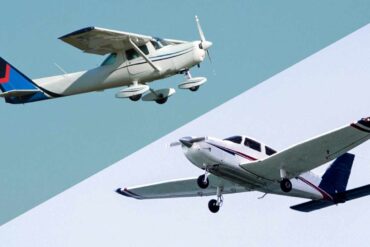
In practical training environments, pilots often find little difference between stalls in popular trainers, whether high-wing or low-wing. For example, the Cessna 150, Cessna 172, Piper Cherokee 140, and Piper Warrior all provide stall experiences that are largely similar when performed correctly.
Factors such as aircraft coordination, center of gravity loading, and flight control inputs overshadow the minor aerodynamic nuances introduced by wing position. The real differentiators are often pilot technique and understanding of stall progression rather than the high-wing or low-wing configuration itself.
Technical Insights: Tailplane Effectiveness and Stall Dynamics
Some theoretical discussions suggest that low-wing aircraft might experience decreased elevator effectiveness during pre-stall conditions due to the disturbed airflow from the wings at high AoA. However, in most small general aviation aircraft, the relative position of the tailplane ensures it remains sufficiently clear of wing-wake effects.
Moreover, stabilator-equipped aircraft (where the entire tailplane pivots, such as in many Piper models) often maintain better pitch authority through stalls, regardless of wing configuration. The nuanced interaction between the wing, fuselage, and tail assembly is far more complex than a simple high-wing vs low-wing argument.
Real-World Factors That Influence Stall Characteristics
Several real-world elements affect how an aircraft behaves during a stall far more profoundly than wing position:
- Aircraft Loading: Aft center of gravity increases stall severity.
- Rigging and Alignment: Maladjusted flight controls or wing incidence can skew stall behavior.
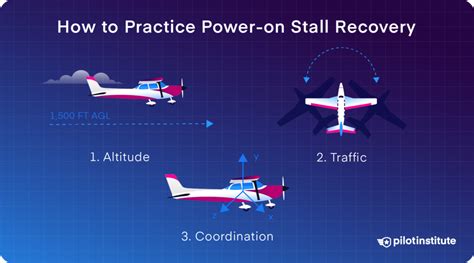
- Power Settings: Power-on vs. power-off stalls differ significantly in nose attitude and recovery demands.
- Environmental Conditions: Turbulence, wind shear, and density altitude affect stall behavior.
Pilots must consider all these variables during stall practice and real-world operations.
Certification Standards and Stall Safety
The Federal Aviation Administration (FAA) mandates that certified aircraft demonstrate controllable stall characteristics that allow recovery with minimal pilot skill. This requirement ensures that most training and personal aircraft, regardless of being high-wing or low-wing, offer safe and manageable stalls.
Key certification tests include:
- Demonstrating benign stall entry and recovery.
- No uncontrollable rolling or yawing.
- Adequate warning cues like aerodynamic buffeting or aural alerts.
Thus, whether flying a high-wing Cessna or a low-wing Piper, pilots are assured that the aircraft will behave predictably within the certified envelope.
Conclusion: High-Wing vs Low-Wing Stalls in Perspective
While theoretical nuances exist between high-wing and low-wing aircraft regarding stall characteristics, practical pilot experience shows minimal operational difference in properly designed and maintained airplanes. The differences, when they do occur, are subtle and influenced more by design features like wing shape, tailplane configuration, and aircraft rigging than by wing position alone.
High-wing aircraft offer natural lateral stability, making stalls feel smoother and slightly more forgiving. Low-wing aircraft may exhibit minor pitch control nuances at high AoA, but overall, both configurations prioritize safety and recoverability.
Ultimately, pilots must prioritize coordination, awareness of aircraft behavior, and adherence to proper stall recovery techniques over concern for wing placement. Mastery of stall recognition and recovery transcends structural differences and embodies the essence of true airmanship.