The stall speed of the F-16 Fighting Falcon is a crucial aerodynamic parameter that varies based on multiple factors, including aircraft weight, altitude, wing configuration, and flap settings. Unlike a fixed value, the stall speed of the F-16 is dynamic, influenced by mission-specific configurations and operational conditions. This article provides an in-depth analysis of how these variables affect the F-16’s stall speed, supported by real-world data and engineering insights.
Fundamental Parameters Influencing Stall Speed
The F-16’s airframe design, wing characteristics, and weight distribution directly impact its aerodynamic performance. Key parameters affecting stall speed include:
Aircraft Weight
- Empty Weight: 8,273 kg (18,240 lbs)
- Maximum Takeoff Weight: 16,100 kg (35,500 lbs)
- External Payload Capacity: 4,760 kg (10,500 lbs)
Higher weight increases wing loading, requiring greater lift generation, which in turn raises stall speed.
Wing Characteristics
- Wing Area: 27.87 m² (300 ft²)
- Aspect Ratio: 3.2
- Leading-Edge Flaps: Improve lift at lower speeds
The relatively low wing loading enhances low-speed maneuverability, but different flap configurations and payloads modify stall behavior.
Flap Settings
Flaps significantly affect lift coefficient (CL), altering stall speed:
- Flaps Down: Increases CL, reduces stall speed
- Flaps Up: Decreases CL, increases stall speed
Typical Stall Speed Ranges
The stall speed of an F-16 varies based on configuration and altitude. Below are standard stall speeds under sea-level conditions:
Clean Configuration (No External Loadout)
- Standard Stall Speed: 110-130 knots (204-241 km/h)
- With an increase in altitude, the stall speed also increases due to reduced air density.
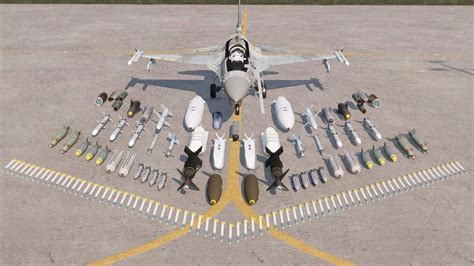
Loaded Configuration (Weapons & Fuel Tanks)
- Maximum Load Stall Speed: ~150 knots (278 km/h)
- Heavier configurations lead to a higher stall speed due to increased wing loading.
Aerodynamic Design & Flight Control Impact
The F-16 incorporates fly-by-wire (FBW) controls and a high thrust-to-weight ratio, enabling precise maneuverability even in near-stall conditions.
Key Aerodynamic Enhancements
- Relaxed Static Stability (RSS): Enhances agility but relies on flight computers to maintain stability.
- Fly-By-Wire System: Prevents excessive angle of attack (AoA), reducing stall risks.
- Leading-Edge Flaps & Strakes: Generate vortex lift for better performance at high angles of attack.
The F110-GE-129 engine, producing up to 129 kN of thrust, allows rapid recovery from near-stall conditions through controlled thrust vectoring and acceleration.
Critical Angle of Attack (AoA) Limitations
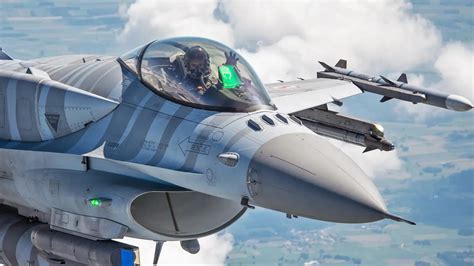
The F-16’s stall occurs typically beyond 25° AoA. The flight control system automatically limits excessive AoA, preventing uncontrolled departure from flight.
Operational & Tactical Considerations
Low-Speed Performance in Combat & Training
F-16 pilots often operate at low speeds during:
- Ground attack missions (below 300 knots)
- Close Air Support (CAS) operations
- Landing approaches and dogfighting
Maintaining control near stall speeds is crucial during combat maneuvers, requiring skillful energy management.
Historical Incidents & Stall Recovery
Although rare, stall-related incidents have occurred:
- 2013 Taiwan F-16 crash due to engine failure (stall may have contributed)
- Various USAF mishaps linked to low-speed control loss in training exercises
F-16V (Block 70/72) and Stall Speed Enhancements
The latest F-16V (Block 70/72) introduces:
- Upgraded avionics & flight controls for better low-speed performance
- Advanced engine management systems reducing stall risks
- Improved structural enhancements increasing safety margins
FAQs
1. What is the stall speed of an F-16 in combat loadout?
Depending on weapons and fuel configuration, stall speed ranges from 130-150 knots under standard conditions.
2. How does altitude affect F-16 stall speed?
Higher altitudes reduce air density, requiring greater airspeed to generate sufficient lift, thereby increasing stall speed.
3. Can an F-16 recover from a stall easily?
Yes, due to its high thrust-to-weight ratio and FBW system, the F-16 can recover effectively if stall limits are not exceeded.