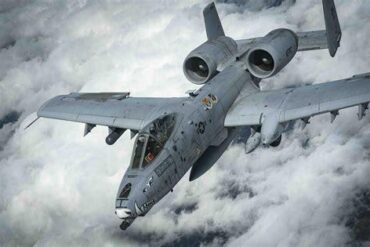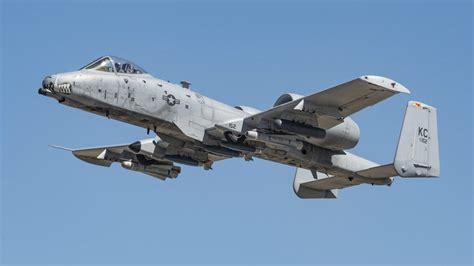
Few aircraft in modern military history inspire the same loyalty, nostalgia, and tactical respect as the A-10 Thunderbolt II, affectionately known as the Warthog. Developed during the Cold War era under the vision of the Fighter Mafia, the A-10 was designed for a singular purpose: close air support (CAS) of ground forces. Unlike sleek, multirole jets designed to dominate in high-end air-to-air combat, the A-10 embodies durability, simplicity, and overwhelming firepower. Decades after its introduction, and despite multiple attempts by the Air Force to retire it, the Warthog remains a cornerstone of U.S. tactical aviation. In 2026, five compelling reasons explain why this venerable aircraft continues to operate in the Air Force fleet.
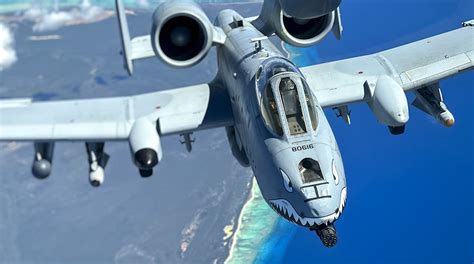
The first and perhaps most obvious reason lies in Congressional influence and public sentiment. The Air Force requested the retirement of the A-10 as early as 1984, immediately after receiving its final production model. Yet for more than forty years, lawmakers have resisted this move. Popularity among veterans, active-duty pilots, and the general public has created a political shield around the aircraft. Videos of A-10s roaring over combat zones, their distinctive GAU-8 Avenger 30mm cannon ripping through enemy positions, have gone viral repeatedly. These images not only showcase the aircraft’s power but reinforce the narrative of the U.S. military’s commitment to protecting its ground forces. While modern stealth fighters operate largely out of sight, the A-10’s visibility becomes a powerful tool, emotionally linking its presence to troop safety. The aircraft’s iconic ability to display personalized nose art—something stealth jets cannot replicate—adds a human touch that resonates with both military personnel and civilians alike, reinforcing its public image as an indispensable protector in battle.
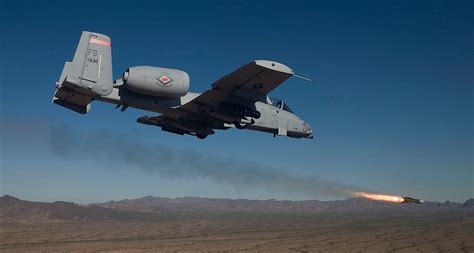
The A-10’s tactical utility extends well beyond emotional appeal. The aircraft’s design allows it to carry an impressive array of munitions, including 1,150 to 1,174 rounds for its cannon, Hellfire missiles, and the 70+ Advanced Precision Kill Weapon System II (APKWS II) rockets adapted for counter-drone operations. While the Warthog’s survivability in a high-intensity peer conflict—such as against China—remains limited, it is perfectly suited for counterinsurgency and regional air campaigns where advanced anti-air systems are less prevalent. During the 2026 Iran air campaign, A-10s provided decisive support by targeting militant groups and even engaging small naval vessels, showcasing their versatility in maritime strike roles. Their ability to switch between traditional anti-armor missions and maritime or counter-drone operations demonstrates a unique flexibility unmatched by modern fighter jets designed for multirole operations.
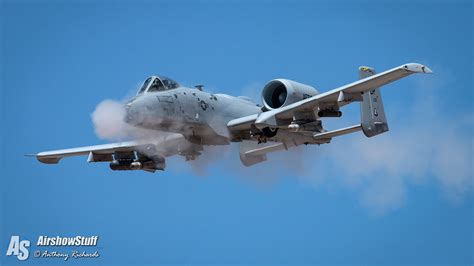
Another critical factor in the A-10’s longevity is its evolution into a drone hunter. As aerial threats diversify, the Warthog has adapted to counter unmanned systems, a role unforeseen during its original design. By integrating the laser-guided APKWS II rockets, the A-10 became an effective platform against swarms of inexpensive, one-way drones deployed by adversaries such as Iranian-backed forces or regional militias. This evolution underscores a broader trend in modern warfare: legacy systems that can adapt to new technological challenges often retain relevance far longer than initially anticipated. In essence, the A-10 has pivoted from purely close air support to a hybrid role, providing both ground attack and aerial interdiction capabilities, reinforcing its strategic utility in 2026 conflicts.
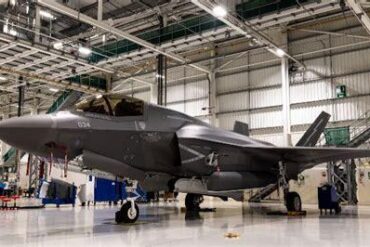
The symbolic and morale value of close air support cannot be understated. While modern warfare increasingly relies on drones, standoff weapons, and multirole jets for precision strikes, the psychological impact of the A-10’s presence remains substantial. The aircraft conveys a tangible sense of protection to ground troops, maintaining the illusion—and sometimes the reality—of crewed CAS capability. By retaining the Warthog, the U.S. Air Force signals to both allies and adversaries that it still possesses dedicated assets capable of protecting soldiers in contested environments. In a shrinking Air Force that now fields approximately 4,000 non-training and non-unmanned aircraft, keeping a proven, reliable platform like the A-10 ensures that mass and capability are not entirely sacrificed in the pursuit of advanced but singularly specialized platforms like the F-35.
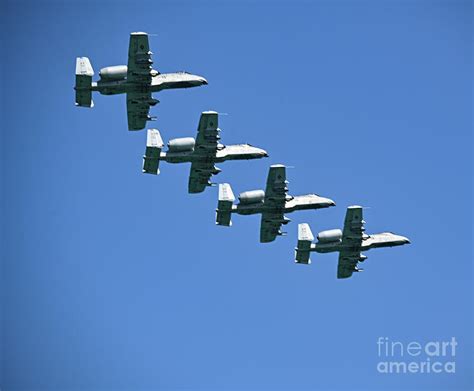
Despite its age, the A-10’s planned phase-out timeline further illustrates the practical considerations behind its continued operation. The Air Force has gradually retired portions of the fleet, mothballing roughly 39 aircraft in 2024 and allowing Congress to approve phased retirements of 40–60 units annually. By 2026, approximately 103 Warthogs remain operational, with full retirement scheduled no earlier than 2030. This slow, deliberate phase-out allows the Air Force to maintain a balance between modernizing its fleet and retaining proven capabilities, ensuring continuity of operations without abrupt capability gaps. The Warthog’s persistence is a testament to the aircraft’s durability, both physically and politically, as well as the careful management of military assets in a time of evolving threats and constrained budgets.
The Warthog’s Enduring Design Philosophy
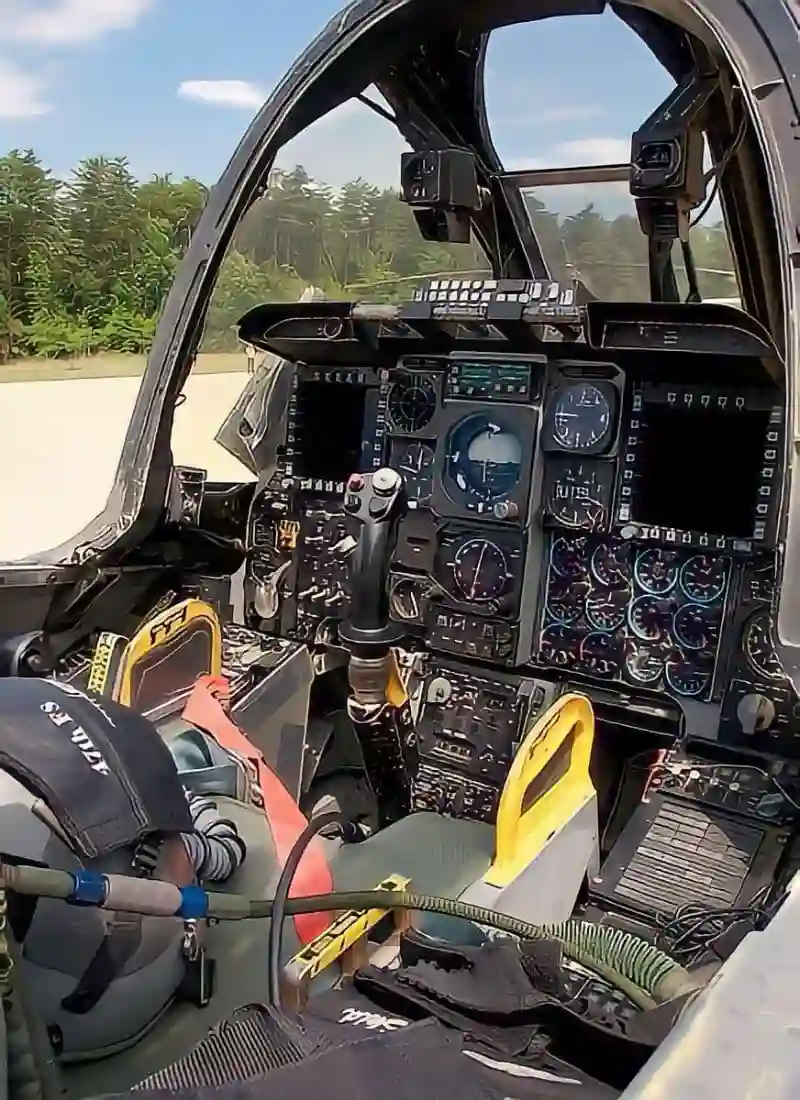
The design principles behind the A-10 Warthog remain as relevant today as they were during its inception. The Fighter Mafia envisioned a simple, rugged aircraft capable of surviving punishing environments while delivering devastating firepower. Its titanium “bathtub” cockpit armor, redundant flight controls, and ability to sustain significant damage without losing operational capability make it uniquely suited for low-altitude, high-threat environments. Unlike contemporary stealth fighters, which rely heavily on electronic warfare systems and networked sensors, the A-10 thrives on mechanical simplicity. This approach not only reduces maintenance complexity but also allows the aircraft to remain in service far longer than more technologically advanced counterparts that require continuous upgrades. The principle of survivability over sophistication remains central to why the Warthog has outlasted other aircraft of its generation.
The aircraft’s firepower configuration remains unmatched in the realm of dedicated ground-attack jets. Its GAU-8/A Avenger cannon is capable of firing over 3,900 rounds per minute, designed specifically to defeat armored vehicles. While the original Cold War mission anticipated large-scale armored invasions, today the cannon still proves lethal against lightly armored vehicles, fortifications, and even naval assets in asymmetric warfare scenarios. In combination with modern munitions like AGM-65 Mavericks and APKWS II rockets, the A-10 demonstrates a level of firepower integration that enables it to respond flexibly to diverse combat needs, whether counterinsurgency operations or maritime interdiction.
Political and Cultural Resonance
Public and legislative support for the A-10 extends beyond the military sphere. Veteran advocacy groups, online communities, and military enthusiasts have consistently highlighted the aircraft’s effectiveness and iconic status. Retiring the Warthog prematurely risks political backlash and the perception that the military is indifferent to troop safety. This political calculus is compounded by the visual prominence of the aircraft in media coverage. Dramatic footage of low-altitude passes and strafing runs captivates audiences and reinforces the narrative of U.S. commitment to ground troops. While stealth aircraft operate invisibly, rarely producing footage that resonates emotionally, the A-10’s presence in the sky carries symbolic weight that influences policy decisions in ways technical assessments alone cannot.
Moreover, the Warthog’s historical legacy adds to its resilience. From the Gulf War to operations in Iraq, Afghanistan, Syria, and the Iran air campaigns, the A-10 has repeatedly demonstrated operational relevance. Pilots often develop deep personal attachments to the aircraft, which can shape internal Air Force culture and contribute to retention of the platform. This combination of historical performance, pilot affinity, and cultural resonance creates an ecosystem in which retiring the aircraft is not merely a logistical decision but a symbolic one with far-reaching implications.
Adaptation to Modern Threats
Despite its age, the A-10 continues to adapt to modern combat requirements. Its new role as a drone-hunter exemplifies this evolution. Small, cheap unmanned aerial systems pose a significant threat in modern conflicts, particularly in the Middle East and Eastern Europe. Traditional fighters are often overkill or limited in sortie availability, whereas the A-10, with its large payload capacity and ability to loiter over targets, can engage multiple drones efficiently. By incorporating precision-guided munitions specifically tailored for these threats, the Warthog extends its relevance far beyond its original design scope. This adaptation highlights a broader principle in military procurement: platforms capable of modular upgrades and flexible mission profiles often enjoy prolonged operational lifespans.
The Warthog’s flexibility in maritime operations also demonstrates its enduring strategic value. While traditionally considered an anti-armor platform, the 2026 air campaign against Iranian naval assets showcased its ability to strike small vessels and fast-attack boats effectively. This versatility underscores the aircraft’s value in hybrid conflicts where the line between land and maritime operations often blurs. Its ability to operate from austere airfields close to the front line, coupled with high ordnance capacity, provides commanders with tactical options that larger, more complex aircraft cannot replicate as efficiently.
The Future of Close Air Support
The broader context of close air support evolution helps explain why the A-10 persists. While CAS doctrine has shifted toward unmanned systems and standoff weapons in contested airspace, retaining a visible, crewed CAS platform carries symbolic importance. Russian and Ukrainian experiences demonstrate the psychological impact of CAS—or the lack thereof—on troop morale. By keeping the A-10 in service, the U.S. signals both to domestic audiences and international observers that it values direct support for its ground forces, even as other capabilities evolve toward remote operations. This deliberate preservation of capability ensures that Washington can project both military power and reassurance, bridging the gap between technological advancement and human-centric warfare support.
Additionally, the gradual fleet reduction strategy allows for cost-effective modernization without sacrificing operational continuity. The Air Force has methodically retired portions of the A-10 fleet, maintaining sufficient numbers to meet operational requirements while allowing budgetary room for next-generation platforms. This phased approach mitigates capability gaps, ensuring that by the time the final A-10s retire in 2030, their replacements—including Loyal Wingman-type drone systems and advanced multirole aircraft—can assume similar mission profiles without interruption.
Conclusion: A Legacy of Relevance and Adaptation
In 2026, the continued operation of the A-10 Warthog illustrates the enduring power of adaptability, symbolic value, and practical utility in military aviation. Far from being an anachronism, the Warthog has evolved to meet contemporary threats, from counter-drone operations to maritime interdiction, while retaining its iconic role in close air support. Congressional influence, public affection, pilot loyalty, and the aircraft’s operational versatility have combined to extend its service life well beyond original expectations. With a planned phase-out in 2030, the Warthog stands as a testament to the effectiveness of purpose-built design, adaptability in the face of changing combat environments, and the enduring importance of human factors in military strategy. As the Air Force continues to modernize and diversify its fleet, the A-10 will be remembered not only as a weapon but as a symbol of the commitment to protect those on the ground, proving that in some cases, the simplest, most rugged solutions remain indispensable.
The story of the A-10 Warthog in 2026 is not just about an aircraft but about a philosophy: that durability, firepower, and the ability to adapt can secure relevance in a rapidly changing military landscape. Its presence reassures allies, protects soldiers, and reminds the world that innovation does not always mean discarding the old for the new—sometimes, it means leveraging proven platforms in inventive ways to meet modern challenges head-on.