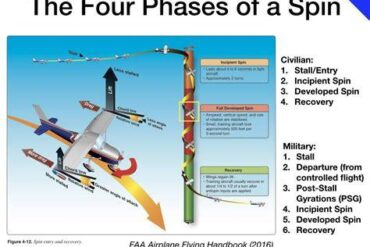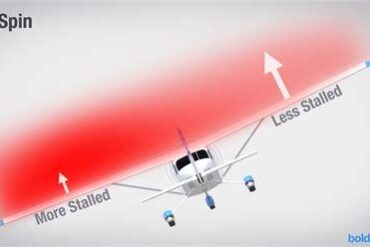
Spin training is often misunderstood as a brief, check-the-box requirement or a niche skillset relevant only to aerobatic pilots and instructors. In reality, a comprehensive spin training program can be a transformative learning experience, sharpening a pilot’s ability to recognize, recover from, and even prevent dangerous stall scenarios. But as with most high-impact aviation instruction, not all spin training is created equal—and neither are the price tags associated with them.
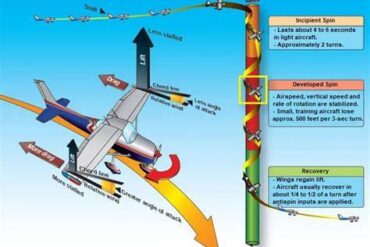
A basic spin awareness course might run under an hour and cost between $200 and $350, typically conducted in a Cessna 150 or 172. This usually covers entry-level spins, recovery using the PARE technique (Power idle, Ailerons neutral, Rudder opposite, Elevator forward), and a gentle reminder that spins are best avoided. However, a quality spin training and endorsement course—one that prepares pilots for real-world spin dynamics and nuanced recovery techniques—will be more rigorous, more insightful, and, understandably, more expensive.
What Sets a High-Quality Spin Course Apart
We must first distinguish between minimum legal compliance and operational mastery. While the FAA requires only spin awareness for most private pilots, the Certified Flight Instructor (CFI) checkride necessitates a logbook endorsement verifying instruction in spin entry, spin awareness, and recovery. That doesn’t necessarily mean the candidate must perform spins in-flight—though a prudent instructor will certainly recommend it.
A truly valuable spin course goes far beyond the basics:
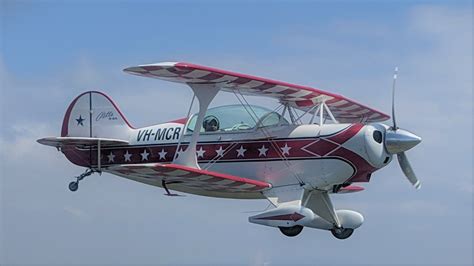
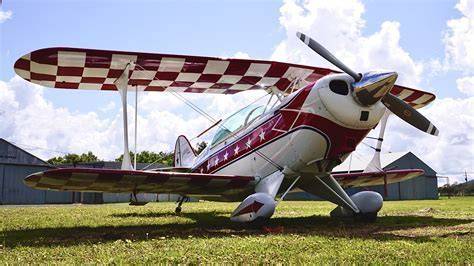
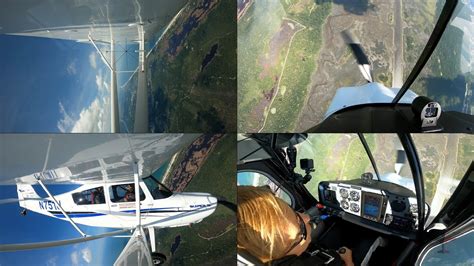
- Conducted in aerobatic aircraft such as the Pitts Special, Extra 300, or Super Decathlon, which are capable of sustained spins, reversals, and inverted scenarios.
- Teaches pro-spin vs. anti-spin inputs, examining the subtle consequences of small deviations.
- Demonstrates the effects of RPM variance, improper control input order, and elevator positioning.
- Incorporates accelerated spins, spin reversals, and possibly even crossovers, where control input anomalies lead to direction changes mid-spin.
- Discusses spin physics—like rotational mass effects—as vividly as experiencing them.
In such an environment, pilots learn why PARE works, not just how to recite it.
Pricing Breakdown: What You’re Paying For
The cost of a high-end spin training session reflects more than just aircraft rental and instructor time. It is an investment in:
- Aircraft type: An aerobatic airplane like the Super Decathlon or Pitts S-2B rents for $350 to $600 per hour, compared to around $180/hour for a standard Cessna 152.
- Instructor specialization: Highly experienced aerobatic instructors may command $100 to $200/hour, often with a CFI-A and a background in competition aerobatics or upset recovery instruction.
- Ground instruction: Quality courses dedicate at least 30–60 minutes of preflight briefing, including aerodynamic theory, safety procedures, and control response analysis.
In sum, a well-rounded 2 to 4-hour spin training experience can cost anywhere from $600 to $1,500, depending on aircraft, instructor reputation, geographic location, and curriculum depth.
Geographical Price Variance: SoCal vs. Midwest
Training location plays a notable role in pricing. For example, in Southern California, where flight training infrastructure is dense but aircraft and instructor demand is high, prices tend to be steeper.
- 5G Aviation (KSNA – John Wayne Airport) offers fully aerobatic spin training with published rates starting at $695 for a 1.5-hour session, which includes ground instruction and aircraft rental.
- In the Midwest or Texas, similar programs can be found for $500 to $800, occasionally bundled with upset recovery modules.
In rural areas or through smaller aerobatic clubs, enterprising pilots may find seasoned CFI-A’s offering tailored programs closer to $400–$600, though these might lack formal endorsements or access to higher-performance aircraft.
The Importance of Aircraft Choice: Not All Spins Are Equal
Aircraft selection is critical. Many trainers like the Cessna 150/152 or Piper Tomahawk will enter and exit spins so easily that the maneuver feels underwhelming. The spin becomes less about learning control finesse and more about following a pre-set recipe.
By contrast, aerobatic aircraft behave in more dynamic and occasionally aggressive ways:
- Flat spins demonstrate how improper elevator input accelerates rotation.
- Reversals reveal the effects of delayed or excessive rudder input.
- Crossovers—where a spin begins in one direction and reverses due to input error—help condition pilots for real-life disorientation.
This is where cost aligns with value. A Pitts or Extra will not “auto-recover,” forcing pilots to understand and apply recovery techniques with precision.
Inverted Spins, Advanced Recovery, and Safety Protocols
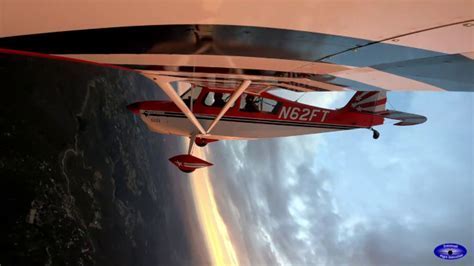
Some advanced courses also expose students to inverted spins and upset recovery scenarios. Instructors might demonstrate what happens when you intentionally misapply inputs, pushing the boundaries of safety—but only within the limits of the aircraft and under controlled conditions.
One instructor may show how partial elevator neutralization can intensify spin speed. Others allow students to feel the difference between recovery with and without power. It’s not uncommon for a student to emerge astonished by how wrong “correct” inputs can feel in the moment.
These kinds of visceral lessons—while mentally taxing—are unforgettable and precisely the reason advanced spin training is worth its price. But safety remains paramount. No advanced spin training should ever occur outside aerobatic-certified aircraft or without highly competent instruction.
Do You Need the Endorsement?
Contrary to popular belief, there is no formal FAA spin endorsement outside of the CFI requirement. That is, unless you’re preparing for a Certified Flight Instructor practical test, spin training is not legally mandated.
However, many instructors will issue a logbook entry verifying that you’ve received spin instruction—a useful record that can also enhance credibility when applying for jobs or additional ratings.
It’s also important to note that while 0.7 Hobbs time may be sufficient for a legal spin training log entry, it is hardly enough for meaningful exposure. Real proficiency demands more.
Recommended Course Duration
From the feedback of seasoned pilots and instructors, 4 to 5 hours of focused training—split between ground school, maneuver briefings, and multiple flight sessions—produces the best educational outcome.
- Session 1: Basic upright spins left/right
- Session 2: Accelerated spins with variable pitch and power
- Session 3: Reversals, aileron misapplication, and power-on dynamics
- Session 4: Advanced recovery techniques, crossover scenarios
- Session 5 (optional): Inverted spin and upset recovery demonstrations
It is in this time frame that muscle memory forms, theoretical understanding deepens, and spin-induced panic is replaced with calm, trained response.
Conclusion: Expect to Pay More—And Get More
A good spin training and endorsement course is not just a flight school upsell—it is a defensive investment against loss of control in flight, still the leading cause of aviation fatalities. Pilots who emerge from such programs often describe them as life-changing, elevating not just their stick-and-rudder skill, but also their overall confidence and situational awareness.
While a budget course may run a few hundred dollars, a truly valuable spin training program typically costs $800 to $1,500. This reflects the quality of instruction, the performance of the aircraft, and the depth of the experience. For pilots serious about their craft, particularly CFIs, aerobatic hopefuls, or those flying high-performance aircraft, this is money well spent.
In aviation, the cost of not knowing is always higher. And when it comes to spins, the right training can quite literally save lives.