Navigating a new city, especially during a layover or before checking into your accommodation, can often present the logistical challenge of managing your luggage. For travelers arriving at Hong Kong International Airport (HKIA) with plans to explore nearby attractions like Tung Chung and the majestic Tian Tan Buddha before heading to their final destination, the question of secure and accessible baggage storage is paramount. The scenario of storing large luggage pieces upon arrival at HKIA, exiting the airport for a few hours of sightseeing, and then re-entering to collect belongings before catching a bus to areas like Nathan Road is a common one. This comprehensive guide will delve into the feasibility of this plan, explore the luggage storage facilities available at HKIA and alternative locations, and detail the transportation options, ensuring your Hong Kong adventure begins smoothly and unencumbered.
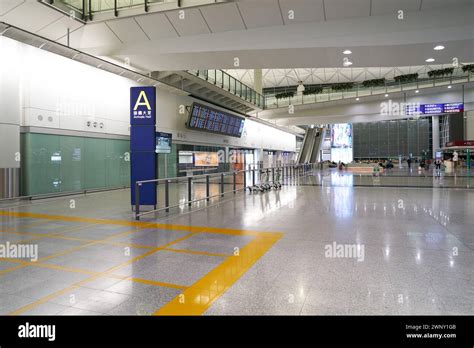
Understanding the layout of Hong Kong International Airport is crucial when planning for luggage storage. HKIA is broadly divided into two main areas: airside and landside. The airside zone is the secured area accessible only after passing through security and immigration checks, typically where departure gates, duty-free shops, and transfer desks are located. Conversely, the landside zone is publicly accessible and includes check-in halls, arrivals halls, and various public amenities. Fortunately for travelers needing to store bags before or after a flight, or during an extended layover where they wish to leave the airport, the primary luggage storage services at HKIA are conveniently situated in the landside area. This strategic placement means you can clear immigration and customs, store your luggage, exit the airport entirely, and then re-enter the public landside arrivals or departures hall to retrieve your bags without needing to go through security or immigration again until you are actually departing on a flight.
Navigating Luggage Storage at Hong Kong International Airport (HKIA): A Seamless Solution
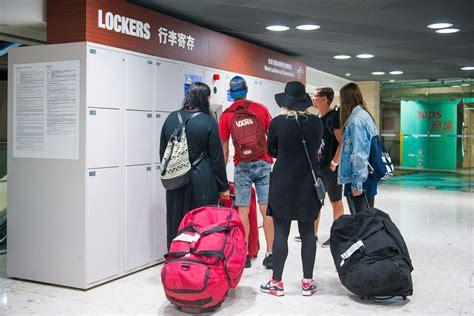
Hong Kong International Airport offers a dedicated and highly reliable secure baggage storage facility, designed to cater to the needs of passengers requiring short-term or longer-term solutions for their belongings. This service is a boon for those looking to explore the city or nearby attractions without the burden of heavy suitcases. The primary left luggage facility is conveniently located in the Arrivals Hall on Level 5 (L5) of Terminal 1. While specific locations can sometimes be subject to minor operational changes, it is generally found towards one end of the main arrivals concourse, often signposted clearly. Based on traveler feedback, it’s frequently noted as being near Arrival Hall B. Its landside position is key; you collect your checked baggage, pass through customs, and then you are in the public arrivals area where the storage facility is readily accessible.
The process for storing your luggage is straightforward. Upon reaching the facility, your bags will likely be screened for security purposes. You’ll then need to present your travel documents (passport and boarding pass may be requested for verification, though typically less stringent for simple storage) and fill out a form. Payment is usually accepted via cash (Hong Kong Dollars) or major credit cards. Rates are typically charged on an hourly or daily basis, with tiered pricing that often makes longer storage periods more economical per hour. For instance, there might be a rate for the first few hours, and then a flat daily rate thereafter. It’s essential to check the most current HKIA baggage storage rates on the official airport website before your trip, as these can be subject to change. Standard storage fees might range from approximately HKD 12-15 per hour per piece, or a daily rate around HKD 140-160 per piece, but these are indicative and should be verified.
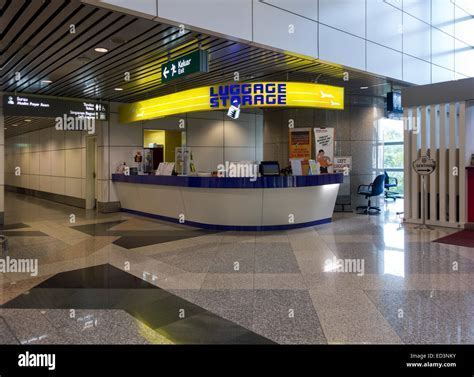
When it comes to luggage size and weight restrictions, the HKIA facility is generally accommodating for standard suitcases, including the large luggage pieces mentioned in many travel queries. Oversized items or unusually shaped baggage might be subject to special handling or additional fees, so it’s wise to inquire if you have particularly bulky items. The facility operates for extended hours, often 24/7 or close to it (e.g., from early morning like 5:30 AM to very late night like 1:30 AM), catering to the vast majority of flight arrivals and departures. However, confirming the exact operating hours is crucial, especially if you plan to retrieve your luggage very late at night or early in the morning. Upon retrieval, you’ll present your receipt or claim tag, settle any outstanding charges, and your luggage will be returned to you. The security of the stored items is a priority, with bags kept in a restricted area and often under surveillance.
Your Proposed Itinerary: Storing Luggage at HKIA, Exploring Tung Chung, and Returning
Let’s break down the feasibility of your specific plan: storing two large luggage pieces at HKIA arrivals, exiting to take a bus to Tung Chung, visiting the Tian Tan Buddha, returning by bus to the airport, collecting your luggage, and then taking the A21 bus to Nathan Road. This itinerary is not only feasible but also quite practical, thanks to HKIA’s facilities and Hong Kong’s efficient public transport.
Step 1: Arrival and Luggage Storage at HKIA. Upon arriving at HKIA, proceed through immigration, collect your checked baggage from the carousel, and then clear customs. Once in the landside Arrivals Hall (Level 5, Terminal 1), follow the signs for “Baggage Storage” or “Left Luggage.” As discussed, this facility is designed for exactly this purpose. Storing your two large suitcases should be no issue, provided they fall within standard airline baggage dimensions.
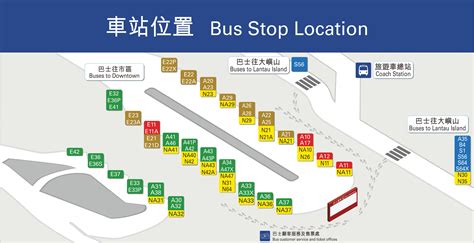
Step 2: Exiting HKIA and Traveling to Tung Chung. After securing your luggage, you can easily exit the terminal. The airport’s Ground Transportation Centre is well-signposted. For Tung Chung, several public bus routes are available and are very cost-effective. The S1, S56, and S64 bus routes are common choices. The S1 bus, for example, is a circular route that connects the airport (Passenger Terminal Building) with Tung Chung MTR Station and Citygate Outlets. The journey is relatively short, typically around 10-15 minutes depending on traffic. These buses are designed to accommodate passengers with some hand-carry items, and since your main luggage is stored, this will be a comfortable ride.
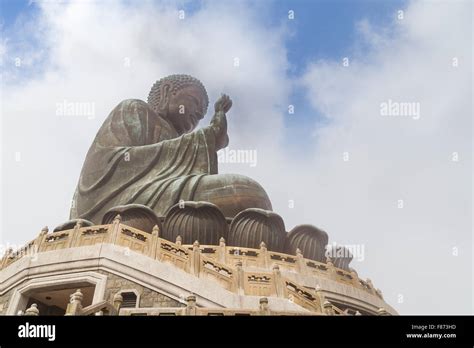
Step 3: Visiting Tian Tan Buddha. From Tung Chung town centre (near the MTR station/Citygate Outlets), you have two primary options to reach the Tian Tan Buddha and Po Lin Monastery located on Ngong Ping plateau. The most scenic is the Ngong Ping 360 cable car, offering breathtaking views over Lantau Island and the sea. Alternatively, you can take New Lantao Bus route 23 from Tung Chung Town Centre Bus Terminus, which is a more budget-friendly option, though the journey is longer (around 45-50 minutes) and winds up a mountain road. Allow ample time for queuing, especially for the cable car, and for exploring the Big Buddha, the monastery (where a delightful vegetarian meal can be enjoyed, as recommended by fellow travelers), and the Wisdom Path.
Step 4: Returning to HKIA. After your visit, you will retrace your steps. Take Bus 23 back to Tung Chung Town Centre, or the Ngong Ping 360 cable car down. From Tung Chung (e.g., the bus stop near Citygate Outlets or Tung Chung MTR), you can catch one of the same S-routes (S1, S56, S64) back to Hong Kong International Airport. Ensure you board the bus heading towards the airport.
Step 5: Collecting Luggage at HKIA. Upon arrival back at HKIA, head to the Arrivals Hall (Level 5, Terminal 1) and the baggage storage facility. Present your claim tag and payment receipt (if you pre-paid or to settle the final amount), and your luggage will be retrieved. This process is usually quick and efficient.
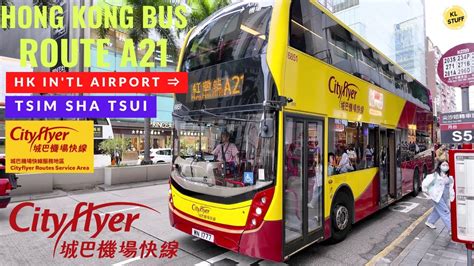
Step 6: Onward Travel to Nathan Road (A21 Bus). With your luggage collected, you can proceed to the airport’s Ground Transportation Centre to find the Cityflyer bus terminus. The A21 bus is an excellent choice for travel to Nathan Road in Kowloon (covering areas like Mong Kok, Yau Ma Tei, Jordan, and Tsim Sha Tsui). These double-decker buses are equipped with dedicated luggage racks on the lower deck, making them very convenient for travelers with suitcases. The journey offers city views and typically takes around 60-90 minutes, depending on traffic and your specific stop on Nathan Road. The A21 stops are frequent and usually announced, making it easy to identify your destination, often just a short walk from many hotels.
Re-entering HKIA for Luggage Collection: No Hurdles, Just Convenience
One of the primary concerns for travelers executing such a plan is whether re-entering the airport to collect luggage poses any difficulties. The answer is a resounding no. The landside areas of Hong Kong International Airport, including the Arrivals Hall where the baggage storage facility is located, are public zones. You do not need a boarding pass or to pass through any security checkpoints to access these areas from outside the airport. Think of it like re-entering a large shopping mall or a train station; it’s designed for public access. Thousands of people, including meeters and greeters, airport staff, and passengers like yourself, move in and out of these landside zones daily. Therefore, exiting the airport after storing your bags and then returning several hours later to the Arrivals Hall to retrieve them from the left luggage counter is a perfectly normal and permissible activity. There are no restrictions preventing you from doing so.
Alternative Luggage Storage: Citygate Outlets in Tung Chung
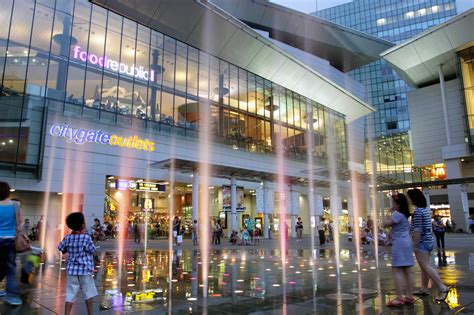
An alternative to backtracking to HKIA for luggage collection is to utilize luggage storage facilities in Tung Chung itself, particularly at Citygate Outlets. This popular shopping mall, located adjacent to the Tung Chung MTR station and the Ngong Ping 360 cable car terminus, offers luggage lockers for shoppers and visitors. This option could be more convenient if your plan is to head directly from Tung Chung to your city accommodation without returning to the airport, provided suitable transportation exists from Tung Chung to your final destination that accommodates luggage.
Citygate Outlets provides electronic lockers of various sizes. You can typically find information about locker locations (often on basement levels or near customer service desks), sizes, availability, and rental fees on their official website or at information counters within the mall. The lockers are usually operated via a touch screen, and payment can be made by Octopus card or sometimes credit cards. Sizes might range from small lockers for daypacks to larger ones that could potentially fit cabin-sized luggage or even medium-sized suitcases. However, for two large luggage pieces, it’s crucial to verify if their largest lockers can accommodate them. Availability can also be a concern, especially during peak tourist seasons or weekends.
Operating hours for these lockers would generally align with the mall’s opening hours. The primary advantage of using Citygate Outlets lockers is avoiding the trip back to HKIA if your itinerary allows. If you find a direct bus from Tung Chung to Nathan Road that suits your needs, this could save time. However, the cons include potentially more restrictive size limitations compared to the dedicated airport baggage storage, the risk of lockers being fully occupied, and the need to transport your luggage from the bus stop/MTR to the locker location within the mall. For your specific requirement of two large pieces of luggage, the HKIA storage might offer more certainty regarding capacity.
Comparing HKIA Storage vs. Tung Chung Lockers: Which is Best for Your Needs?
Choosing between HKIA’s baggage storage and Citygate Outlets’ lockers in Tung Chung depends heavily on your specific itinerary, luggage size, and transportation preferences. If your plan involves returning to HKIA anyway – perhaps to catch a specific airport bus like the A21 which is known for its luggage-friendliness, or if you simply prefer the assurance of a dedicated, professionally managed baggage storage service with ample capacity for large suitcases – then the HKIA facility is undoubtedly the superior and more straightforward choice. It centralizes your luggage management at your primary point of arrival and departure from the airport precinct.
On the other hand, if you manage to confirm that Citygate Outlets has lockers large enough for your two large pieces of luggage (which can be a significant ‘if’), and you find a convenient, direct bus route from Tung Chung to Nathan Road (or your specific Tsim Sha Tsui destination) that comfortably accommodates luggage, then using the Tung Chung lockers could save you the travel time of returning to HKIA. However, the A21 bus from HKIA is a well-established and highly reliable option for reaching Nathan Road with luggage. Direct public bus routes from Tung Chung to the heart of Kowloon that are as convenient as the A21 for passengers with significant baggage are less common; many routes might involve local buses not specifically designed for heavy luggage. Therefore, for your stated preference of taking the A21 bus to Nathan Road, storing your luggage at HKIA aligns perfectly with your plans and minimizes potential complications.
Transportation Deep Dive: Navigating Hong Kong with Luggage
Efficient transportation is key to a stress-free experience, especially when managing luggage. Hong Kong excels in this regard.
Buses from HKIA:
- To Tung Chung: As mentioned, routes like the S1 (to Tung Chung MTR Station/Citygate Outlets), S56 (to Tung Chung MTR Station via Tung Chung North), and S64 (circular route via airport cargo and catering areas, then Tung Chung) are frequent and inexpensive. The journey is short, making it easy even if you have a small daypack.
- A21 to Nathan Road: This Cityflyer route is ideal for your onward journey to Kowloon. It departs regularly from the airport’s Ground Transportation Centre. Key advantages include spacious luggage racks on the lower deck, comfortable seating, and clear announcements of stops along Nathan Road and surrounding areas in Yau Ma Tei, Jordan, and Tsim Sha Tsui. The fare is reasonable for the distance and convenience offered.
Buses from Tung Chung:
- To HKIA: The same S-routes (S1, S56, S64) provide a quick return to the airport for luggage collection.
- To Tsim Sha Tsui/Nathan Road: While there are local bus routes from Tung Chung to various parts of Kowloon, finding one that is as direct and luggage-friendly as the A21 from the airport can be challenging. Many will be standard commuter buses. For instance, E-routes like the E21 or E21A pass through Tung Chung and head towards Kowloon, but they make many more stops and may not have the same dedicated luggage facilities as the A-routes from the airport. This reinforces the convenience of returning to HKIA for the A21 if you have large luggage.
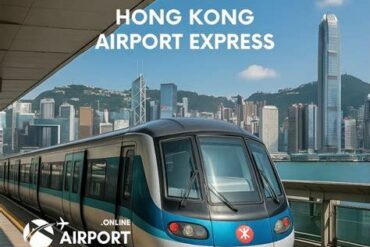
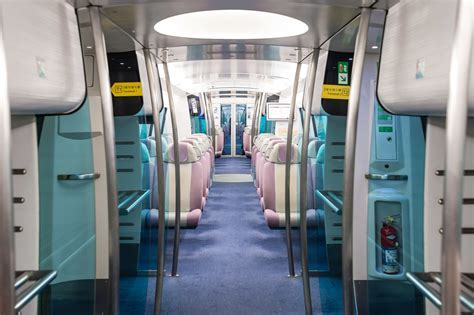
Airport Express: While you’ve expressed a preference against MTR due to luggage and train changes, it’s worth noting that the Airport Express train itself is very luggage-friendly, with dedicated carriages and ample space. It travels swiftly to Kowloon Station and Hong Kong Station. From Kowloon Station, which is not far from Nathan Road, taxis are readily available. Some hotels also offer shuttle bus services from Airport Express stations. The main challenge, as you rightly pointed out, can be navigating subsequent MTR lines from these main stations if your hotel isn’t directly accessible, but for a direct taxi from Kowloon Station, it can be a viable, albeit more expensive, alternative to the A21 bus.
Tips for a Smooth Luggage Storage and Transit Experience in Hong Kong
To ensure your layover or initial hours in Hong Kong are as enjoyable as possible, consider these practical tips:
- Verify Operating Hours: Always double-check the operating hours of the HKIA baggage storage facility, Ngong Ping 360 cable car, Po Lin Monastery, and any other attractions or services you plan to use, ideally on their official websites shortly before your travel date.
- Carry Hong Kong Dollars (HKD): While credit cards are widely accepted, having some local currency is essential for public buses (which require exact fare if not using an Octopus card), smaller vendors, and potentially locker payments.
- Get an Octopus Card: This rechargeable stored-value card is invaluable for seamless travel on almost all public transport (MTR, buses, ferries, trams) and can also be used at many retail outlets. It eliminates the need for exact change on buses.
- Allow Generous Transit Time: Factor in sufficient time for travel between locations, potential queues (especially for the Ngong Ping 360 cable car), security procedures if any, and the luggage drop-off/pick-up process.
- Pack Smartly: Keep your passport, wallet, medications, a change of clothes (if desired), and any valuables or essential items in a smaller daypack or handbag that you keep with you while your main luggage is stored.
- Stay Informed: Check the official Hong Kong International Airport website (www.hongkongairport.com) for the most up-to-date information on baggage storage services, including location, rates, and hours, as well as details on airport transportation.
Conclusion: Your Hong Kong Layover Adventure Made Easy and Unburdened
Storing your luggage at Hong Kong International Airport’s arrivals hall, venturing out to explore the cultural richness of Tung Chung and the Tian Tan Buddha, and then seamlessly re-entering the airport to collect your belongings before proceeding to your city accommodation is an entirely feasible and highly recommended strategy. HKIA’s landside baggage storage service is specifically designed to cater to such needs, offering a secure, convenient, and accessible solution for travelers with large suitcases or those simply wishing to sightsee unencumbered. By leveraging Hong Kong’s efficient public transportation network, particularly the airport bus services like the S-routes to Tung Chung and the A21 Cityflyer to Nathan Road, you can transform what might seem like a logistical challenge into a smooth and enjoyable extension of your journey. Embrace the opportunity to experience some of Lantau Island’s most iconic sights without the drag of your luggage, confident that a practical and well-established system is in place to support your travel plans. Your brief exploration of Hong Kong can indeed be a hassle-free and memorable interlude.