The anxiety of tight flight connections has long plagued air travelers, forcing many to sprint across sprawling terminals or anxiously check departure boards, wondering if they will make it to their next gate in time. As passenger volumes rebound and airports grow busier, this stress point has become a top priority for major airlines looking to modernize the travel experience. In a significant move, United Airlines has joined leading global carriers, including American Airlines, Qantas, and KLM, in leveraging mobile app technology to help passengers navigate tight connections with greater confidence and ease.
United Airlines: ConnectionSaver and Real-Time Gate Guidance
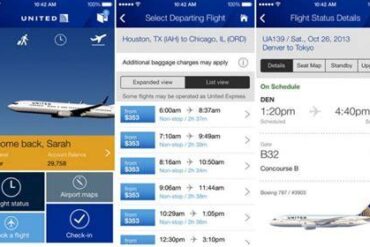
United Airlines has rolled out an impressive suite of features within its mobile app designed to transform the tight-connection experience. At the core of this enhancement is ConnectionSaver, an artificial intelligence-driven system that analyzes real-time flight and passenger data to determine whether holding a departing flight is feasible without disrupting broader schedules.
The technology integrates seamlessly into the United app, providing passengers with personalized, real-time updates. From estimated walking times between gates to interactive, turn-by-turn directions, the app empowers travelers with the information they need to make their connections. In cases where a passenger is delayed, ConnectionSaver evaluates if holding the flight is possible. If so, gate agents are notified, and the passenger receives an alert, minimizing the guesswork and anxiety.
Beyond this, United has enriched its app with:
- Countdown timers to connecting flights.
- Gate-to-gate navigation, reducing confusion in large terminals.
- Instant rebooking options if a connection is missed.
- Access to standby lists for earlier flights when available.
These innovations have already been tested by over 350,000 travelers, with an impressive 98% success rate in making tight connections, demonstrating the system’s efficacy.
As David Kinzelman, United’s Chief Customer Officer, stated, “Eliminating uncertainty and providing clarity helps our passengers travel with peace of mind, especially during the most stressful parts of their journey.” The timing aligns perfectly with the summer travel surge, when millions will traverse global hubs like Chicago O’Hare, Newark, and San Francisco International, where tight connections are commonplace.
For those with longer layovers, the app also provides valuable information on United Club lounge locations and airport navigation tools, enhancing comfort and efficiency even outside of tight connection scenarios.
American Airlines: Real-Time Support at Major Hubs
At American Airlines, enhancing the passenger connection experience has taken center stage, particularly at its Dallas-Fort Worth (DFW) mega-hub. Utilizing proprietary technology embedded within its mobile platform, American identifies at-risk passengers who may miss connecting flights due to delays, airport congestion, or unforeseen disruptions.
The system operates in real-time, analyzing:
- Arrival statuses of incoming flights.
- Passenger locations within the terminal.
- Feasibility of holding departing flights without widespread scheduling impacts.
If intervention is possible, gate agents may delay a flight by a few minutes, ensuring the connecting traveler boards successfully. If not, the American app swiftly offers alternatives such as nearby gate reroutes or automated rebooking options, reducing downtime and passenger frustration.
In sprawling airports like DFW, Charlotte, or Chicago O’Hare, the app’s features — including real-time gate updates, walking-time estimations, and terminal maps — have proven invaluable. By merging operational efficiency with technological convenience, American Airlines is actively reshaping how travelers experience connections across its extensive domestic and international network.
Qantas: Streamlining Connections with Inbound Flight Tracking
Down under, Qantas Airways has taken a distinctive approach to addressing tight connections, focusing on real-time aircraft tracking and simplified check-in procedures.
A standout feature within the Qantas app is Inbound Flight Tracking, allowing passengers to monitor the progress of the aircraft scheduled to operate their connecting flight. Real-time status updates, including estimated arrival times, enable travelers to plan their gate transfers with greater certainty.
Moreover, the app incorporates:
- Estimated wait times for customer service.
- An international Passport Scan function for expedited check-in.
- Comprehensive airport navigation tools highlighting lounge locations, amenities, and relaxation areas.
These advancements are particularly impactful for travelers navigating bustling international hubs like Sydney, Melbourne, or Los Angeles, where connections can involve significant terminal changes and long walking distances.
KLM: Self-Service Kiosks and Mobile Enhancements at Schiphol
KLM Royal Dutch Airlines has implemented an innovative blend of self-service kiosks and app functionality at its hub in Amsterdam Schiphol Airport, renowned for its complex terminal layout and high volume of connecting traffic.
The airline’s Transfer Kiosks empower passengers to:
- Access flight details.
- Check seat assignments.
- Secure upgrades when available.
- Rebook missed connections independently.
- Print new boarding passes on the spot.
By eliminating the need to queue at customer service desks, these kiosks help time-pressed travelers regain control of their journeys.
In parallel, the KLM mobile app delivers personalized notifications, gate information, and walking directions, providing a holistic solution for managing tight connections. Together, these tools reflect KLM’s broader strategy of leveraging technology to create a frictionless transfer process, minimizing stress, and optimizing the passenger experience.
A Global Shift: Technology Transforming Tight Connections
The initiatives by United Airlines, American Airlines, Qantas, and KLM are emblematic of a sweeping industry shift toward digital-first, passenger-centric travel experiences. As global air traffic rebounds, and with passenger expectations for seamless journeys at an all-time high, airlines recognize that technology holds the key to reducing one of the most stressful pain points in air travel: tight connections.
Key components of this transformation include:
- AI-driven decision-making to hold flights strategically.
- Real-time mobile app updates with dynamic gate guidance.
- Automated rebooking and standby access.
- Inbound flight tracking for enhanced situational awareness.
- Self-service kiosks providing rapid, independent solutions.
These developments mark a significant departure from the outdated, fragmented connection experiences of the past, where passengers often faced uncertainty, insufficient information, and long service desk queues.
The evolving technological landscape not only enhances operational efficiency for airlines but also boosts passenger confidence, loyalty, and satisfaction. By providing timely, relevant information and self-service tools, carriers empower travelers to manage their itineraries proactively, transforming tight connections from chaotic sprints into coordinated, predictable transfers.
Looking Ahead: The Digital Future of Air Travel
The convergence of mobile app technology, artificial intelligence, and real-time data analytics is reshaping the aviation sector’s approach to passenger connectivity. As these tools become more sophisticated and widely adopted, travelers can expect even greater personalization and convenience.
Future advancements are likely to include:
- Predictive analytics forecasting connection risks before arrival.
- Integration with wearable devices for hands-free updates.
- Enhanced wayfinding using augmented reality within airports.
- Expanded biometric check-in and security processes.
As airlines continue investing in these digital solutions, the once-dreaded tight connection is evolving into a manageable, transparent part of the air travel experience. With major carriers like United, American, Qantas, and KLM leading the charge, travelers worldwide stand to benefit from a new era of stress-free, technology-enhanced flight connections.