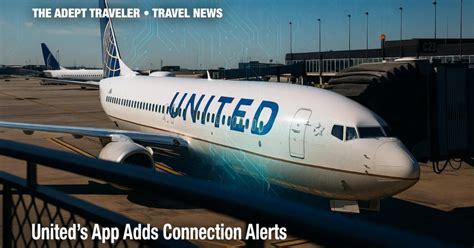
United Airlines is expanding its use of artificial intelligence with a new operational tool designed to solve one of air travel’s most frustrating problems: missed connections. The airline’s AI-driven platform, called ConnectionSaver, is helping airport teams determine whether holding a departing aircraft for late-arriving passengers will protect the broader flight schedule or create cascading delays across the network.
The system is already operating at major United hubs including Denver International Airport, where the airline manages more than 550 flights every day. In a high-pressure environment where minutes can determine whether travelers reach their destinations on time, United says the technology has already helped save more than 54,000 passenger connections this year alone.
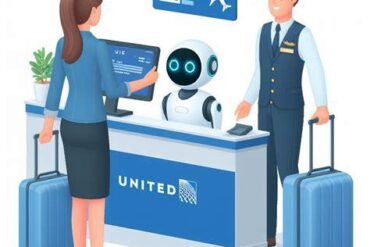
Rather than relying entirely on manual judgment, airport supervisors now receive real-time recommendations generated by the AI platform. The software evaluates dozens of operational variables simultaneously, including crew duty limits, aircraft routing, weather conditions, taxi times, gate congestion, and downstream schedule impacts. The goal is simple: protect individual passengers without disrupting hundreds of others already onboard.
How United’s ConnectionSaver AI Works In Real Time
ConnectionSaver is linked directly to United’s Operations Center in Denver, allowing customer service supervisors to monitor passengers who are at risk of missing their onward flights. If the system determines that a short delay can be safely absorbed into the schedule, it may recommend holding the aircraft for several minutes.
Vincent Passafiume, United’s director of airport operations customer service, explained that the technology helps employees make faster and more precise decisions during complex operational situations. According to Passafiume, the system evaluates whether a delayed departure can still allow the aircraft to arrive on time while minimizing inconvenience for passengers already onboard.
The AI engine continuously simulates flight conditions before making a recommendation. It factors in projected weather patterns, runway traffic, flight routing efficiency, and even whether pilots may safely recover time during the flight. That predictive capability transforms what was previously a stressful judgment call into a data-driven operational decision.
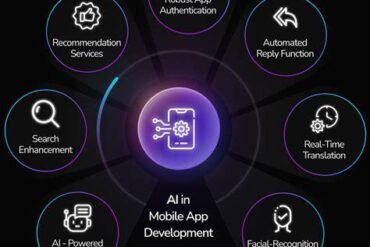
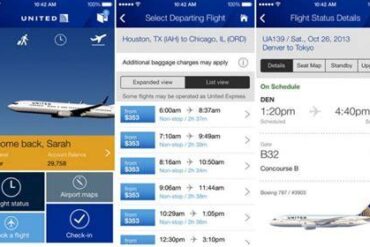
Passengers also interact directly with the technology through the United mobile app. Travelers running through crowded terminals receive live countdown timers and turn-by-turn navigation instructions guiding them from their arrival gate to their connecting departure. When ConnectionSaver activates, customers may receive a push notification informing them that their connection is being protected.
AI Expands United’s Customer Service Strategy
The airline is also using the system to reduce stress when connections cannot be saved. If a passenger misses a flight despite the intervention, ConnectionSaver can automatically begin the rebooking process before the traveler even reaches the gate area. That automation dramatically shortens wait times and reduces pressure on airport customer service desks during irregular operations.
United’s investment reflects a broader aviation industry trend toward operational AI integration. Airlines increasingly view artificial intelligence not as a futuristic experiment, but as a practical tool capable of improving efficiency, customer satisfaction, and network reliability simultaneously.
For travelers navigating massive hubs like Denver, where tight connections are common and delays can spread rapidly, ConnectionSaver represents a significant shift toward predictive airline operations. Instead of reacting after passengers miss flights, United is attempting to prevent disruptions before they happen — one connection at a time.