A recent data-driven analysis of over one million traveler reviews has shed a critical spotlight on legroom across major international and North American airlines. The results, compiled from TripAdvisor and analyzed by OddsMonkey, deliver a damning verdict on some of the United States’ most recognized carriers: United Airlines and American Airlines have been ranked as the worst U.S. carriers for legroom, trailing behind not only their domestic competitors but also many low-cost European airlines.
The Discomfort Data: A Brutal Assessment of Legroom Standards
The core of the study centers on direct feedback from travelers rather than relying solely on published seat pitch figures. While technical seat dimensions can paint a broad picture, the passenger experience—how cramped or spacious they feel—is ultimately the most telling metric. The review data reveals that 43.8% of flyers complained about legroom on American Airlines, while 47.2% had similar issues with United. This places them just behind British Airways and Ryanair, which topped the list as the worst global offenders.
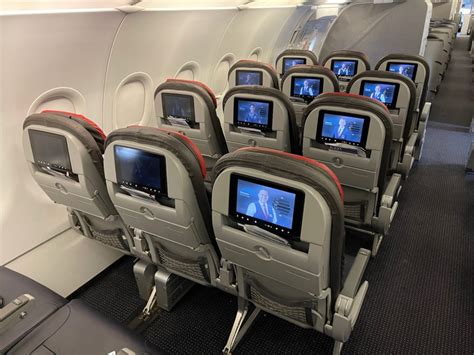
Notably, many budget airlines such as EasyJet, Wizz Air, and Vueling received fewer complaints despite their reputation for no-frills service. This unexpected twist suggests a growing gap between legacy carrier expectations and the realities of the in-flight experience. Passengers expect more from higher-priced, full-service carriers—when they don’t deliver, the backlash is fierce.
United Airlines: Legacy Reputation, Low Comfort Scores
Among the four largest U.S. carriers, United Airlines has the tightest seat configurations, especially on its newer Airbus A321neo fleet. These aircraft prioritize capacity with dense seating arrangements that minimize available space per passenger. According to analysts, United’s strategic addition of features like larger overhead bins and upgraded in-flight entertainment systems may come at the direct cost of cabin space. The backlash is not merely about dimensions but about value perception—customers feel they’re paying premium rates for budget-level comfort.
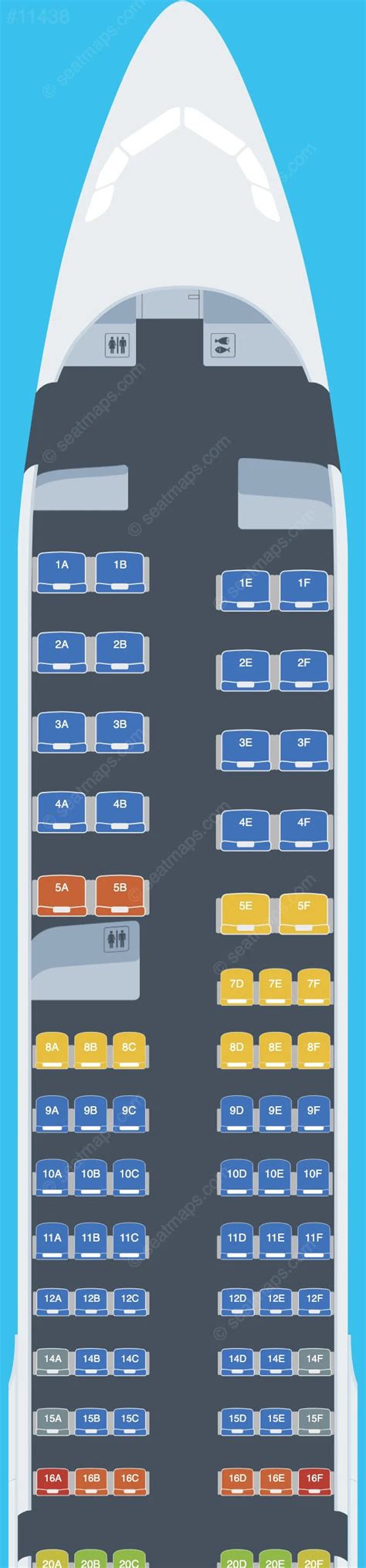
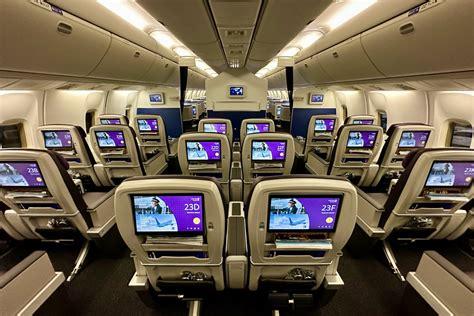
United’s seat pitch in economy generally hovers around 30 inches, a figure that might sound standard but feels restrictive when paired with reduced seat padding and tighter cabin layouts. This cramped reality has not gone unnoticed. Flyers consistently mention knee-to-seat collisions, limited mobility, and a lack of ergonomic support for flights that increasingly stretch beyond two hours.
American Airlines: Densification at the Expense of Comfort
American Airlines fares no better. Once renowned for offering a generous in-flight experience, the airline has undergone a significant fleet densification strategy over the last decade. Aircraft like the 737 MAX 8 have become the new template—designed to fit more passengers with slimline seats that save space but often sacrifice padding and comfort.
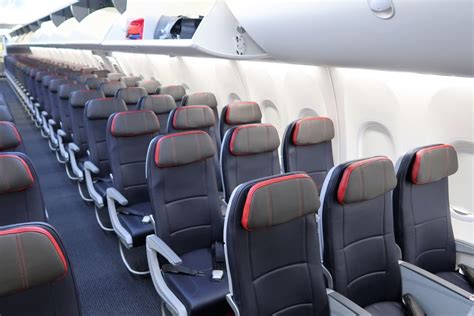
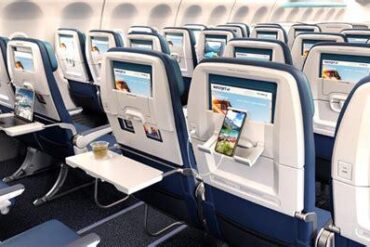
On many domestic flights, American has also removed seatback entertainment systems, leaving passengers more aware of their confined legroom without even visual distraction. The result? A more acute awareness of spatial limitations that amplifies traveler dissatisfaction.
While American maintains an average seat pitch of 30 inches, the experience still falls short when compared to JetBlue or Southwest, which typically offer around 32 inches. The extra space in these competitors’ cabins translates directly to higher comfort scores and better reviews, making American’s performance stand out—in a negative light.
Why Budget Airlines Are Beating Legacy Giants in Comfort Perception
What makes these findings particularly startling is the performance of budget carriers. One would naturally expect low-cost airlines to rank poorly in areas like seat comfort, but that’s not the case here. Only Ryanair appeared in the top five worst carriers for legroom, while others like EasyJet or Jet2 not only escaped harsh criticism but were even praised for maintaining reasonable space expectations.
So why are traditional airlines falling behind? The answer lies in expectation management. Budget airlines set a clear standard: cheap fares come with basic service. Passengers accept tight legroom as part of the deal. Legacy carriers, by contrast, promise a premium experience, charging more for flights that often deliver little additional physical comfort. The result is not just discomfort, but perceived betrayal.
Consumer Quotes Highlight Growing Frustration
One particularly scathing review from a British Airways passenger underscores a broader disillusionment among travelers:
“British Airways was not only the worst, but it was also false advertising to call it business class. The seats were the same as economy seats with other passengers close in front and behind, and no legroom.”
This sentiment resonates across multiple carriers, including United and American, where inflated expectations clash with minimal space offerings, triggering widespread complaints. It’s not just about being uncomfortable—it’s about feeling shortchanged.
What the Numbers Reveal: Legroom Complaints by Carrier
The survey compiled the following breakdown of airlines with the highest proportion of legroom complaints:
- British Airways – 52.6%
- Ryanair – 51.4%
- United Airlines – 47.2%
- American Airlines – 43.8%
- Air Canada – 42.1%
Legacy carriers dominate this list, reinforcing the idea that disappointment is more acute when the promise of comfort is broken.
Industry Standards: Economy Class Realities vs. Premium Economy Perks
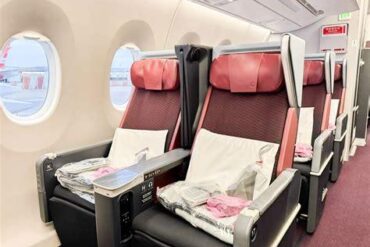
For travelers seeking refuge from economy claustrophobia, premium economy has become an increasingly popular alternative. With seat pitches ranging between 34–38 inches, wider seats, and a greater recline angle, premium economy delivers a 5–8 inch legroom boost compared to standard economy. This isn’t just a matter of space—it’s a noticeable upgrade in perceived dignity and physical relief.
As legacy carriers continue to densify their economy cabins, more passengers are likely to opt for premium economy or even low-cost carriers, where expectations and delivery are better aligned.
Final Thoughts: A Call for Transparent Comfort Metrics
The findings are a wake-up call for full-service airlines that rely on brand equity and historical loyalty. United and American must revisit how they balance capacity with comfort, especially as customers grow more vocal and review-driven. Seat pitch and width alone no longer satisfy the modern traveler’s comfort expectations.
Transparency in cabin configurations, honest advertising, and a renewed commitment to actual passenger experience—not just profit per square foot—are critical if these carriers hope to climb back up in customer favor.
Until then, the message from the flying public is clear: space matters, and they’re watching.