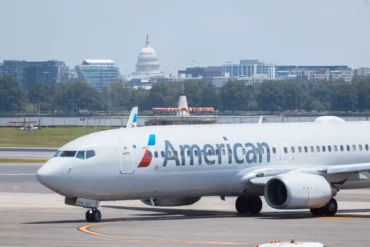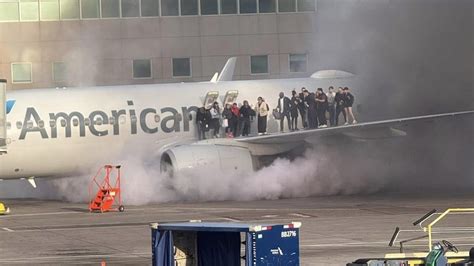
On March 13, 2025, what began as a routine journey aboard American Airlines Flight 1006 quickly turned into a harrowing mid-air emergency that has since rocked public confidence in the airline’s maintenance protocols. The aircraft, a Boeing 737-800 en route from Colorado Springs Airport to Dallas Fort Worth International Airport, was forced to divert to Denver International Airport after experiencing alarming engine vibrations. What followed was a fiery landing, a chaotic evacuation, and a preliminary report from the National Transportation Safety Board (NTSB) that has unearthed shocking lapses in aircraft maintenance.
Engine Vibrations Mid-Flight Spark Emergency Diversion
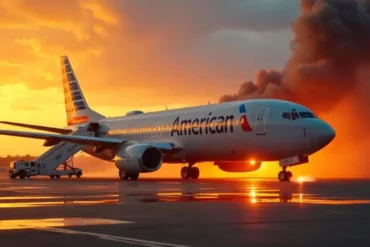
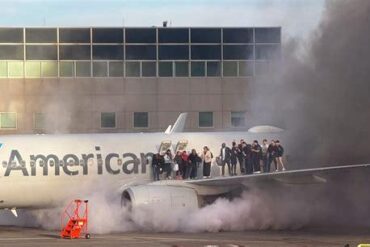
Approximately 20 minutes into the flight, the crew aboard Flight 1006 detected abnormal vibrations emanating from the right engine. Recognizing the potential severity of the issue, the flight crew made a swift decision to divert to Denver. According to the NTSB’s preliminary findings, the aircraft touched down safely at around 5:15 p.m. local time, yet what transpired moments later would ignite industry-wide scrutiny. As the aircraft taxied toward Gate C38, the right engine caught fire, a terrifying development that prompted an immediate evacuation.
Fuel Leak and Improper Installation Cited as Root Cause
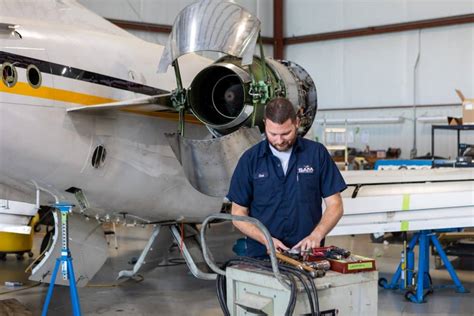
The NTSB’s initial investigation points to a fuel leak as the direct cause of the engine fire. This leak stemmed from a critical maintenance error—the improper installation of engine parts. Specifically, an incorrectly installed safety wire failed to secure a crucial nut, allowing it to loosen during flight. This oversight enabled jet fuel to escape and ultimately ignite. The report underscores that these errors occurred during a prior maintenance inspection that should have adhered to standard operational procedures.
Further examination revealed that the engine’s fan blade platform was fractured, and the engine nacelle—the housing around the engine—displayed extensive heat and burn marks. The right engine, a CFM56-7B manufactured by CFM International, is widely regarded as a reliable powerplant. However, even the most robust engineering can falter under poor human execution.
Evacuation Chaos: A Malfunctioning Slide Adds to the Mayhem
As flames engulfed the right engine, 172 passengers and six crew members faced the urgency of evacuation. Despite a rapid response, 12 passengers sustained minor injuries, primarily due to the frantic disembarkation process. Notably, one of the emergency slides—located at the left rear door—failed to deploy. Ground crews later confirmed a mechanical jamming issue, rendering the slide unusable during the evacuation.
Though the malfunction did not lead to fatalities or serious injuries, it brought to light a secondary, yet equally concerning, failure in emergency readiness. The slide has been sent to its manufacturer for further analysis, and its failure raises pressing concerns about equipment reliability in crisis scenarios.
Aircraft Profile: Boeing 737-800 N885NN
Flight 1006 was operated using a Boeing 737-800 registered as N885NN, a workhorse model that entered service in 2012. Widely used for short- to medium-haul routes, the 737-800 is typically lauded for its safety and performance. Yet, in this instance, the issue did not stem from any inherent design flaw but rather from human oversight during maintenance operations.
The engine in question, the CFM56-7B, has a proven track record of reliability and is one of the most widely used engines in commercial aviation. However, the NTSB’s findings implicate poor maintenance rather than technical malfunction, casting a shadow over the airline’s internal checks and quality assurance mechanisms.
American Airlines Faces Mounting Pressure to Reform
In the wake of the preliminary report, American Airlines has pledged full cooperation with federal investigators and has initiated a sweeping review of its maintenance protocols. This includes retraining maintenance crews, auditing current procedures, and conducting a fleet-wide inspection to identify any similar vulnerabilities.
The airline has also engaged third-party safety experts to assist in evaluating and strengthening its safety assurance framework. A company spokesperson emphasized that passenger and crew safety remains the highest priority, and that American Airlines is “committed to taking decisive action to prevent such incidents in the future.”
NTSB’s Ongoing Investigation and Industry Implications
The investigation remains active, with a final report expected later in 2025. While the preliminary findings already outline a damning picture of maintenance negligence, the NTSB aims to identify whether the incident is indicative of systemic issues within the airline or the broader aviation maintenance ecosystem.
Beyond the immediate scope of Flight 1006, the implications are profound. The aviation sector operates under a zero-error margin, where small oversights can escalate into catastrophic events. The NTSB’s future recommendations may trigger industry-wide audits, increased oversight from the Federal Aviation Administration (FAA), and new regulatory mandates targeting maintenance procedures.
Public Trust and the Erosion of Confidence
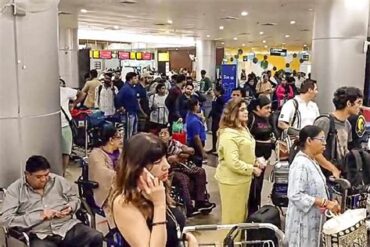
While no fatalities occurred, the psychological impact on passengers and the broader flying public cannot be understated. Passengers aboard Flight 1006 shared terrifying recollections of smoke seeping through the cabin, flames visible through windows, and confusion during the evacuation.
“There was shouting, smoke, and a sense of sheer panic,” recounted one passenger. “The emergency slide didn’t work at the back, so people just started running toward the wings. It was chaos.”
These harrowing accounts paint a picture of a failure not just in mechanical terms, but in preparedness and crisis management. Passenger confidence—a fragile yet essential component of airline viability—has taken a significant hit.
Could This Incident Mark a Broader Crisis in Airline Maintenance?
This incident is not occurring in a vacuum. It comes at a time when airlines are under pressure to optimize costs, accelerate aircraft turnaround times, and maintain profit margins—all while juggling post-pandemic labor shortages and operational demands. Experts have warned for years that cutbacks in training and outsourcing of maintenance work to third-party contractors could lead to exactly the kind of oversight seen in the Flight 1006 case.
If further investigation reveals broader lapses or recurring patterns, it could spark a watershed moment for the industry, forcing regulators and airline executives alike to rethink the economics of safety.
Systemic Change or Surface-Level Adjustments?
What remains to be seen is whether American Airlines—and the aviation sector as a whole—will enact deep structural changes or merely opt for surface-level adjustments to satisfy regulatory requirements. As the NTSB continues its analysis, questions linger:
- Will oversight of third-party maintenance providers increase?
- Will airlines reintroduce redundant inspection steps to catch errors like those in Flight 1006?
- Will emergency equipment manufacturers face new certification hurdles?
The outcome of these inquiries will determine not only the safety of future flights but also the reputation of American aviation.
Conclusion: A Crucible for Accountability
The incident involving American Airlines Flight 1006 is more than an isolated event. It is a cautionary tale that underscores the fragility of safety in modern aviation, especially when critical systems fail due to preventable human error. As the NTSB prepares its final report and the public awaits answers, one truth is clear: complacency in aircraft maintenance is no longer a tolerable risk.
In the high-stakes world of commercial aviation, the cost of cutting corners is not merely monetary—it’s a threat to life, trust, and the very foundation of air travel safety.