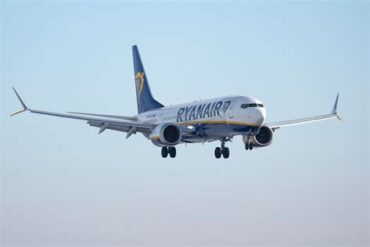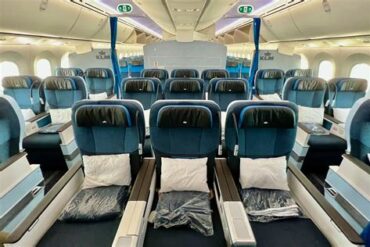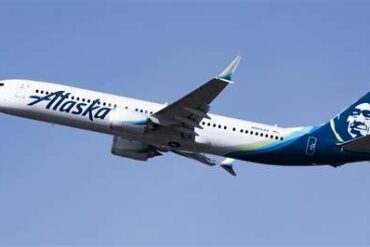
Air travelers have begun to notice something subtle but persistent when stepping aboard a Boeing 737: the cabin feels tighter than it used to. The sensation isn’t simply nostalgia for a more comfortable past. It is the result of engineering decisions made decades ago, combined with modern airline economics that push aircraft interiors to their limits. What feels like shrinking space is actually a complex collision between 1960s airframe geometry and the relentless drive to maximize the number of seats inside a narrow metal tube.
Passengers rarely think about the geometry of aircraft fuselages, yet that geometry defines the entire in-flight experience. Seat width, aisle space, overhead bins, and even the curvature of the sidewalls are dictated by the diameter of the aircraft itself. The Boeing 737, despite countless technological upgrades and new generations, still relies on a fuselage cross-section originally designed in the jet age’s early decades. That heritage explains why the aircraft’s cabin sometimes feels cramped compared with newer rivals.
Airlines have simultaneously been redesigning interiors to squeeze more passengers onto each flight. Rising fuel prices, intense competition from low-cost carriers, and razor-thin profit margins have pushed airlines to extract more revenue from every inch of cabin space. The result is a modern travel environment where a familiar aircraft design meets aggressive seating density strategies.
The Narrow Roots of the Boeing 737 Design
The Boeing 737’s dimensions trace their lineage back to the Boeing 707, a pioneering jetliner developed in the 1950s. Engineers reused the same basic fuselage cross-section to simplify production and maintenance across aircraft families. That decision made sense at the time: common parts meant cheaper manufacturing and easier training for airlines transitioning between models.
The result is a fuselage measuring about 3.8 meters (148 inches) in width. In isolation that figure sounds generous, but aviation design is a game of millimeters. The Airbus A320 family, the 737’s primary competitor, features a 3.95-meter fuselage, roughly eight inches wider. Those eight inches determine whether seats feel reasonably spacious or noticeably narrow.
A Boeing 737 configured with the standard 3-3 seating layout typically provides seats around 17 inches wide. On an Airbus A320, seats often measure closer to 18 inches. One inch might seem trivial until you imagine six adults sharing the same row for hours. Multiply that inch across shoulders, elbows, and armrests, and the difference becomes immediately noticeable.
Why Sidewalls Matter More Than You Think
Cabin width alone does not tell the whole story. The curvature of the aircraft’s interior panels plays an equally important role. The 737’s fuselage curves inward more sharply than modern designs. Passengers seated next to the window encounter this geometry directly, as the sidewall presses inward toward shoulder level.
This inward curve reduces usable shoulder space and subtly shifts body posture. Instead of sitting upright with equal space on both sides, window-seat passengers often lean toward the aisle to avoid brushing the wall. That small adjustment amplifies the sensation that the cabin is narrower than it really is.
The difference becomes particularly noticeable on longer flights. Over time, minor ergonomic constraints accumulate. Knees angle slightly inward, elbows tuck closer to the torso, and passengers become hyper-aware of the proximity of neighboring travelers. What began as a geometric compromise decades ago becomes a modern comfort challenge.
Airbus Rivalry and the One-Inch Advantage
Competition between Boeing and Airbus has quietly shaped passenger comfort for decades. Airbus launched the A320 family in the 1980s with a wider cabin specifically designed to improve passenger experience. Engineers recognized that airlines would likely maintain six-abreast seating, so they added enough width to make those seats noticeably more comfortable.
That additional inch of seat width changed passenger perception in subtle ways. Travelers moving between aircraft types frequently report that Airbus cabins feel roomier, even when the seating layout appears identical. The aisle feels slightly broader, armrests are less contested, and shoulder space is less restrictive.
Airlines operating mixed fleets have learned that passengers notice these differences. Carriers like easyJet, which rely heavily on Airbus A320 aircraft, often highlight cabin comfort as part of their brand messaging. Meanwhile, airlines flying large Boeing 737 fleets must rely on interior design tricks to soften the impact of the narrower fuselage.
When Airlines Push Seating Density Too Far
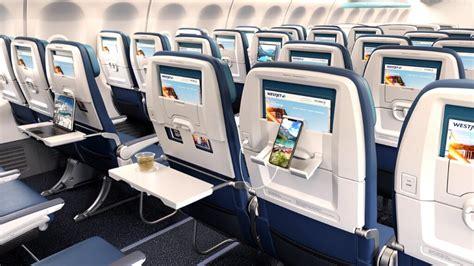
The tension between passenger comfort and airline economics became highly visible during WestJet’s controversial 737 cabin reconfiguration. In an effort to increase capacity, the airline installed additional rows on its Boeing 737-800 and 737 MAX aircraft. The change reduced seat pitch in parts of the cabin to 28 inches, a configuration commonly seen on ultra-low-cost carriers.
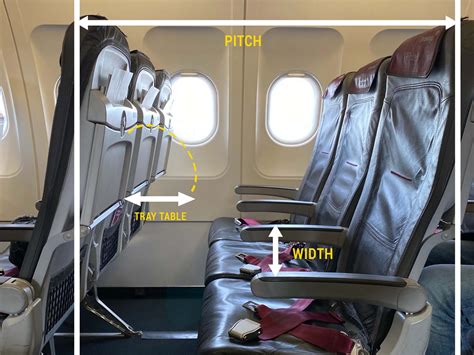
Seat pitch refers to the distance between one seat and the same point on the seat in front of it. Reducing that distance by even a couple of inches can dramatically change how the cabin feels. On the WestJet configuration, passengers found themselves sitting so close to the next row that knees pressed firmly into seatbacks.
Videos circulating online showed travelers struggling to fit comfortably into their assigned seats. The footage spread quickly across social media platforms, triggering widespread criticism and forcing a rare corporate reversal.
The WestJet Backlash That Changed Course
Public reaction to the ultra-dense configuration was swift and intense. Frequent flyers argued that such a cramped layout was unacceptable for a major airline charging standard fares. Many compared the experience to budget airlines while paying significantly higher ticket prices.
Within weeks, the backlash became impossible to ignore. In early 2026, WestJet announced that it would remove the extra rows and restore a 30-inch pitch across the affected aircraft. The decision marked a rare moment where passenger pressure directly influenced airline cabin design.
The episode revealed something important about modern air travel. Regulatory authorities approve seating layouts based on safety criteria, such as evacuation time. Comfort, however, remains largely outside those regulations. Airlines therefore have broad freedom to experiment with tighter seating arrangements until passengers push back.
Boeing’s Strategy: Make the Cabin Feel Bigger
Recognizing the limitations of the 737’s narrow fuselage, Boeing invested heavily in psychological design elements when developing the 737 Sky Interior. Instead of widening the aircraft—which would require an entirely new airframe—engineers focused on creating the illusion of space.
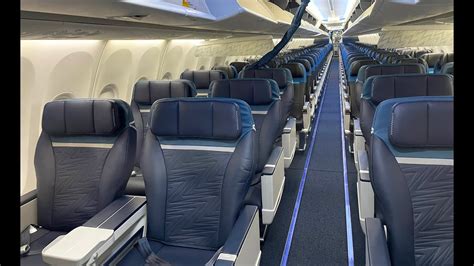
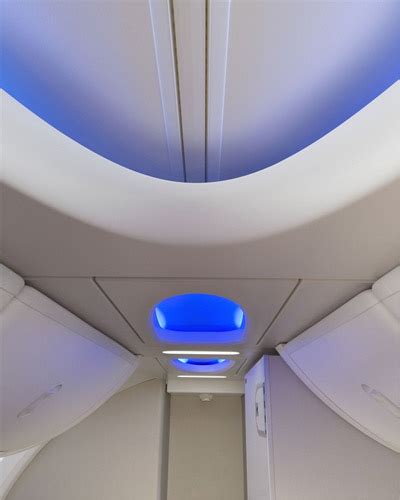
The Sky Interior introduced LED mood lighting, sculpted sidewalls, and larger window surrounds. These features subtly reshape how passengers perceive the cabin environment. Lighting can mimic sunrise colors or soft blue skies, creating a sense of openness even inside a confined structure.
Another crucial change involved the overhead bins. Older 737 models used fixed shelf-style bins that extended downward into the passenger’s field of vision. The newer pivot bins rotate upward, creating a higher ceiling line and clearer sightlines across the cabin.
Why Visual Space Isn’t the Same as Physical Space
These interior improvements work remarkably well during boarding. Passengers entering the aircraft often notice the brighter lighting and cleaner lines. The cabin appears modern, airy, and less cramped than previous generations of the 737.
The illusion fades once travelers settle into their seats. At that moment, the physical dimensions of the aircraft reassert themselves. Seat width remains around 17 inches, and legroom depends entirely on the airline’s chosen pitch configuration.
Lighting technology can change mood but not geometry. As frequent flyers grow more familiar with aircraft interiors, many now check seat pitch and seat width data before booking flights. The visual appeal of a cabin no longer guarantees a comfortable journey.
Slimline Seats: The Weight-Saving Revolution
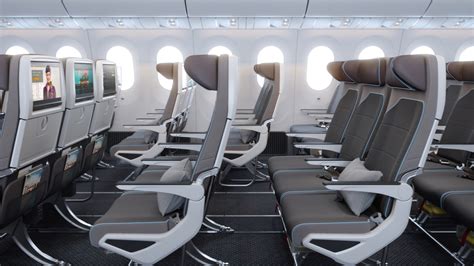
Another major factor influencing passenger comfort is the widespread adoption of slimline airline seats. These seats use thinner cushions and lighter materials to reduce aircraft weight while allowing airlines to maintain or slightly increase legroom.
Traditional seats contained thick foam padding and heavy metal frames. Slimline designs replace those components with composite materials and more rigid structures. The weight savings can reach several hundred kilograms per aircraft, improving fuel efficiency and reducing operating costs.
The trade-off is obvious to anyone who has sat in one. Reduced padding means less lumbar support and a firmer seating surface. A two-hour flight that once felt mildly uncomfortable may now feel significantly more fatiguing, particularly for passengers with back sensitivity.
Economics: The Relentless Math of Airline Seating
Airline profitability revolves around a deceptively simple equation: revenue per seat per mile. Every additional seat installed on an aircraft increases potential revenue for each flight. When multiplied across thousands of flights per year, even a single extra row can represent millions of dollars.
The Boeing 737’s fixed fuselage width limits how airlines can increase capacity. They cannot widen the aircraft or add additional seats across each row. Their only option is to reduce the distance between rows or install thinner seats.
This reality explains why seating density continues to increase despite passenger complaints. Airlines operate within an industry where fuel costs fluctuate wildly, competition remains fierce, and profit margins often hover in the single digits.
Why Boeing Can’t Simply Widen the 737
At first glance, the solution seems obvious: make the 737 wider. In practice, that change would require an entirely new aircraft. The fuselage diameter influences wing placement, landing gear design, structural reinforcement, and aerodynamic performance.
A wider fuselage would alter the aircraft’s weight distribution and require extensive recertification. It would also eliminate the long-standing fleet commonality that airlines rely on. Pilots trained on one version of the 737 can easily transition to another, reducing training costs and simplifying operations.
Redesigning the fuselage would break that compatibility and effectively create a brand-new aircraft program. Boeing has instead focused on incremental improvements through the 737 MAX series, keeping the fundamental structure unchanged.
The Rise of More Spacious Narrowbody Aircraft
While the 737 remains immensely popular, newer aircraft designs are redefining passenger expectations. The Airbus A220, for example, features a 2-3 seating configuration that eliminates the dreaded middle seat on one side of the aisle. Its seats are typically around 18.5 inches wide, noticeably larger than those on the 737.
Similarly, the Embraer E2 family offers a comfortable 2-2 configuration with wide seats and generous windows. These aircraft were designed decades after the original 737, allowing engineers to incorporate modern ergonomic principles from the beginning.
Passengers who frequently travel on these newer aircraft often report a stark contrast when returning to the older Boeing cabin geometry. The difference highlights how much aviation design philosophy has evolved.
Passenger Awareness Is Changing the Industry
Travelers today possess more information than ever before. Online seat maps, cabin reviews, and aviation forums allow passengers to compare aircraft types before purchasing tickets. A decade ago, most travelers paid little attention to which aircraft operated their flight. Today, aircraft type can influence booking decisions.
This growing awareness places subtle pressure on airlines. Carriers cannot endlessly reduce passenger space without risking damage to their brand reputation. The WestJet controversy demonstrated that there is a tipping point where customers begin to rebel.
Airlines have begun experimenting with tiered economy cabins, offering extra-legroom sections in the front while maintaining higher density seating in the rear. This approach allows carriers to balance revenue goals with passenger comfort expectations.
The Future of the Boeing 737 Experience
Despite its limitations, the Boeing 737 remains one of the most successful aircraft families in aviation history. Thousands continue to fly daily across short- and medium-haul routes worldwide. Its efficiency, reliability, and operational familiarity ensure it will remain a cornerstone of airline fleets for years to come.
Yet the aircraft’s design heritage ensures one unavoidable truth: the cabin will always feel slightly tighter than newer competitors. The 148-inch fuselage width cannot change without fundamentally redesigning the aircraft.
Future improvements will likely focus on smarter interiors rather than structural changes. Better seat ergonomics, improved cabin lighting, and more thoughtful layout planning may soften the experience. Still, the essential physics of the aircraft remain fixed.
For passengers, understanding the reasons behind the tighter cabin transforms frustration into insight. The sensation of shrinking space is not imaginary—it is the inevitable result of modern airline economics colliding with a design conceived more than half a century ago. And inside that narrow aluminum cylinder, every inch truly matters.