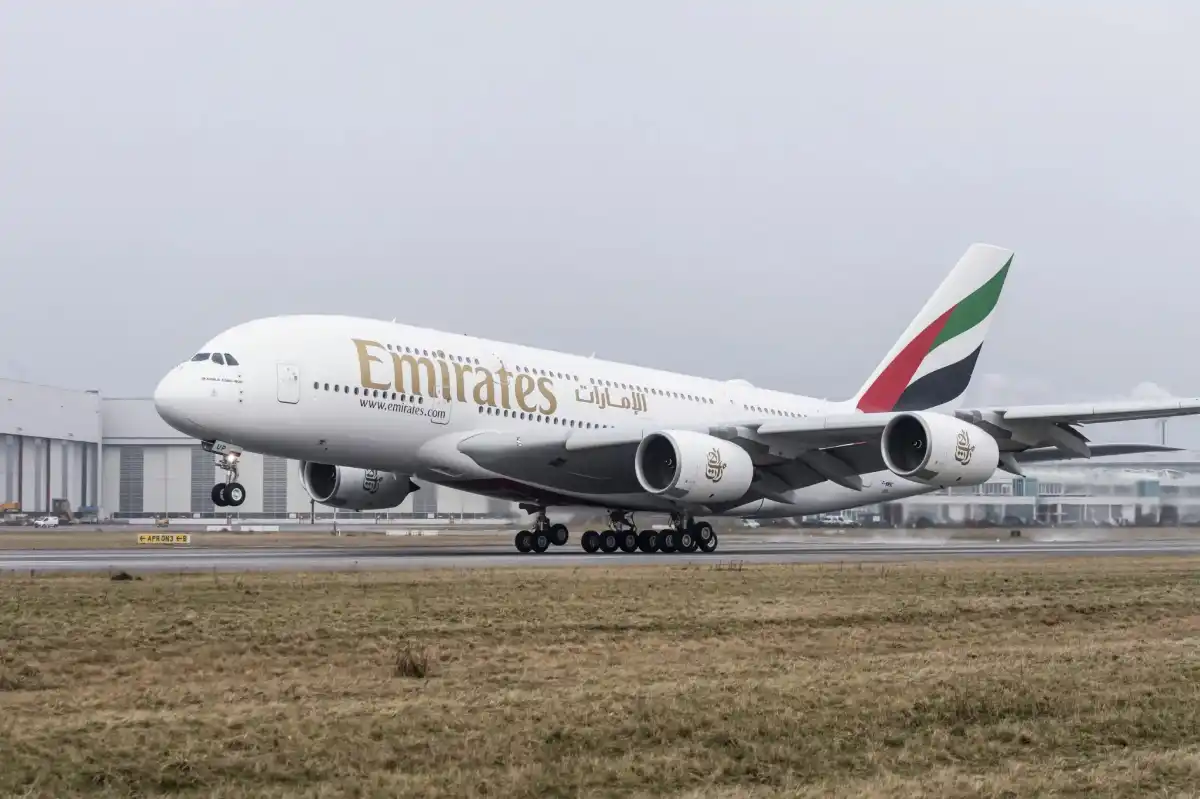
The Airbus A380 has always felt slightly unreal, like a thought experiment that escaped a wind tunnel and wandered onto a runway. Watching one rotate at takeoff produces a quiet mental protest. Something that large should not leave the ground with such unhurried elegance. Yet it does, lifting nearly 575 tonnes of metal, fuel, and passengers into the sky as if mass were merely a suggestion. That illusion of effortlessness hides an extraordinary truth: the A380 demanded one of the most complex propulsion decisions ever made in commercial aviation.
Beneath its vast wings sit four engines, but not all A380s are powered the same way. Unlike almost every modern widebody aircraft, the A380 was offered with two entirely different engine families. Airlines could choose between the Rolls-Royce Trent 900 or the Engine Alliance GP7200, a joint creation of General Electric and Pratt & Whitney. This was not a cosmetic difference or a minor internal tweak. These engines reflect contrasting engineering philosophies, industrial politics, and regulatory pressures that reshaped their final designs.
In today’s market, such choice feels almost alien. Buy an Airbus A350 and you receive the Rolls-Royce Trent XWB, no alternatives offered. Order a Boeing 777X and the GE9X comes bolted on, period. The A380 belongs to a vanished era when airlines could play engine makers against each other, forcing innovation through competition. Understanding why Airbus allowed this dual-engine strategy requires diving into physics, noise law, and one of the strangest alliances aviation has ever seen.
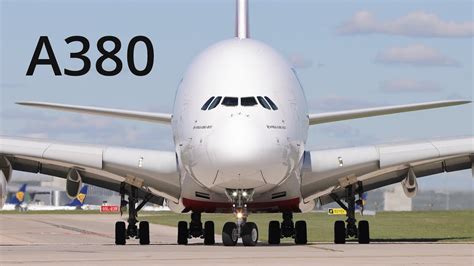
The Unique Physics Problem of Lifting a Flying Skyscraper
The A380 was not merely a larger aircraft. It was an aircraft that broke familiar assumptions about how engines should work. With a maximum takeoff weight approaching 1.3 million pounds, the A380 required nearly 300,000 pounds of total thrust to leave the runway under worst-case conditions. That number alone pushed engine technology to its limits at the turn of the millennium.
Yet raw thrust was only half the story. Twin-engine aircraft like the Boeing 777 are designed around an engine-out nightmare scenario. Lose one engine at V1 and the remaining engine must still haul the aircraft safely into the air. As a result, twinjet engines are often takeoff-thrust limited, oversized sprinters built to survive catastrophe.
The A380 changed the equation. With four engines, losing one meant sacrificing only 25 percent of total thrust. That dramatically altered the performance envelope. The real challenge was no longer runway survival but sustained climb. The A380 was climb-thrust limited, meaning its engines had to deliver exceptional efficiency and stability while lifting enormous mass through thick lower-atmosphere air and onward to cruise altitude.
This subtle shift forced engine designers into unfamiliar territory. They needed engines that were not just powerful, but exceptionally efficient across a long, continuous climb profile. That requirement alone all but guaranteed that existing engines could not simply be scaled up. The A380 would need purpose-built powerplants, designed from clean sheets or carefully reassembled from the best existing technology.
Why Airbus Refused to Choose a Single Engine Supplier
During the A380’s conception in the 1990s, Airbus faced a strategic dilemma. The aircraft was expensive, risky, and aimed at a limited market of global hub-to-hub routes. Airlines considering such a massive investment demanded leverage. Engine choice provided it.
By allowing two engine options, Airbus created competitive tension. Airlines could negotiate lower acquisition costs, more favorable maintenance agreements, and long-term support concessions. This mattered deeply, because engine maintenance represents one of the largest lifetime costs of operating a widebody aircraft. A monopoly supplier holds all the cards. Competition shifts the balance of power.
There was also industrial politics at play. Airbus is a European consortium, and excluding Rolls-Royce from its flagship aircraft would have been unthinkable. At the same time, shutting out American engine makers would have risked political backlash in one of the world’s most important aviation markets. Two engines were not indulgence. They were diplomacy.
Rolls-Royce Trent 900: Three Shafts and British Engineering Confidence
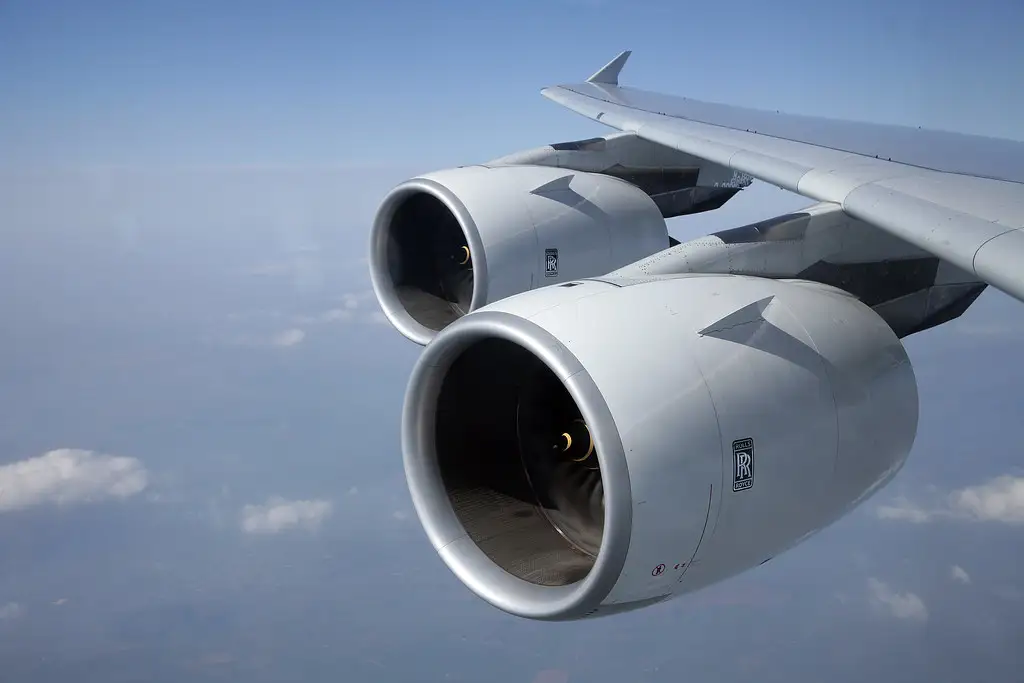
Rolls-Royce moved first, and decisively. Drawing on its successful Trent family, the company proposed the Trent 900, built around its signature three-shaft architecture. Unlike conventional two-shaft engines, Rolls-Royce divides the workload into low-pressure, intermediate-pressure, and high-pressure systems, each rotating independently at its optimal speed.
This design is not complexity for show. Allowing each compressor and turbine stage to spin at its aerodynamic sweet spot reduces mechanical stress and improves efficiency across a wide operating range. For an aircraft like the A380, with its long climb phase and massive inertia, this mattered enormously.
The Trent 900 borrowed intelligently rather than recklessly. Its core drew lineage from the Trent 500 used on the Airbus A340-600, while its fan and low-pressure systems benefited from experience gained on the Trent 800 for the Boeing 777. One particularly elegant innovation was a counter-rotating high-pressure spool, which straightened airflow through the core and delivered a measurable efficiency gain.
Rolls-Royce’s early commitment paid off. In 2000, Singapore Airlines, the A380’s launch customer and one of the world’s most influential carriers, selected the Trent 900. When the first A380 prototype lifted off from Toulouse in 2005, it did so on British power.
Engine Alliance GP7200: When Rivals Joined Forces
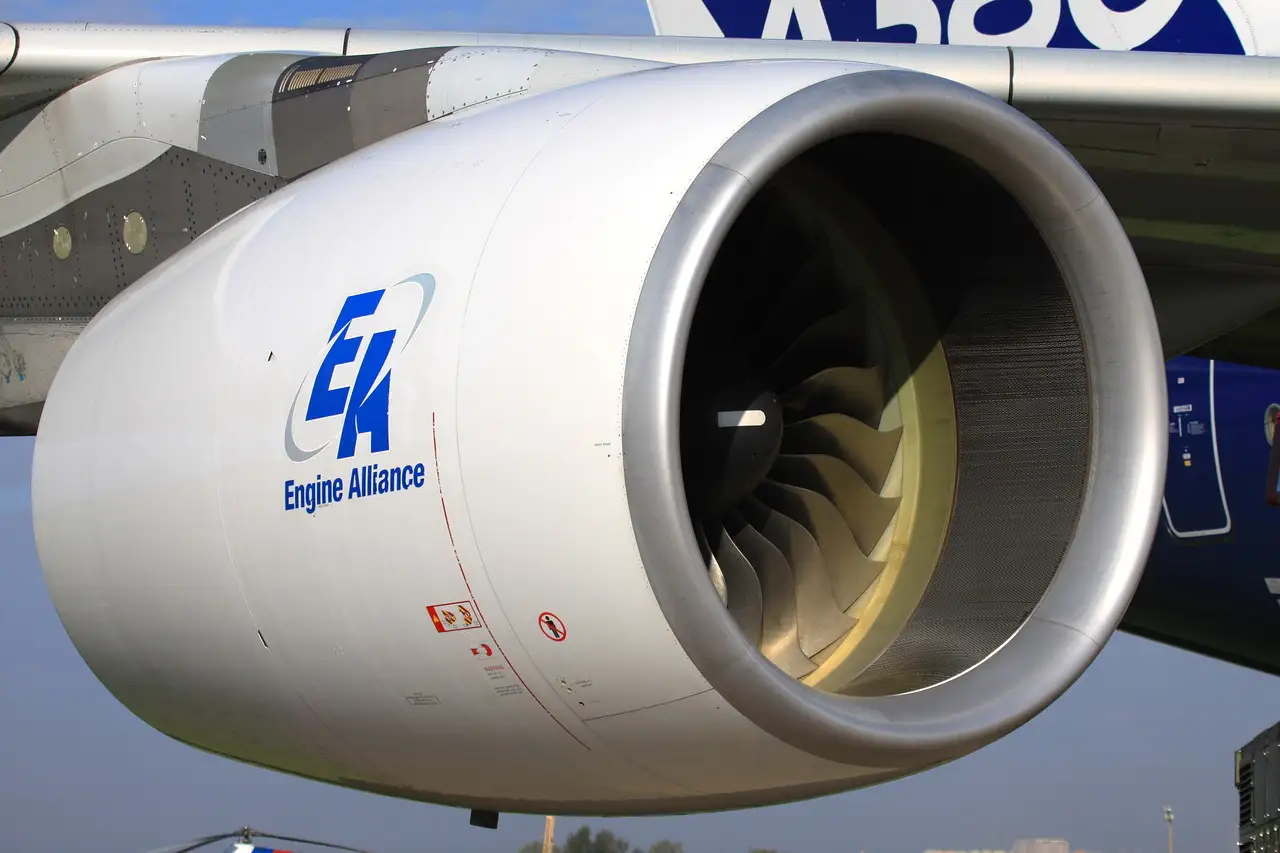
Across the Atlantic, the reaction was far more complicated. General Electric and Pratt & Whitney, fierce rivals for decades, each assessed the A380 and hesitated. The aircraft’s market was limited. Development costs would be enormous. Neither company wanted to shoulder the risk alone.
The solution was unprecedented cooperation. In 1996, the two companies formed the Engine Alliance, a joint venture created specifically to build a high-thrust engine without duplicating investment. The alliance was initially aimed at powering Boeing’s proposed 747-500X and 747-600X, but when Boeing abandoned those projects, the partnership pivoted smoothly toward Airbus.
The resulting GP7200 was a carefully curated blend of American aerospace strengths. General Electric contributed a high-pressure core derived from the legendary GE90, known for its exceptional thermal efficiency. Pratt & Whitney supplied the low-pressure system and wide-chord hollow titanium fan blades refined on the PW4000 series.
This was not a compromise engine. It was a synthesis. The GP7200 embodied GE’s mastery of hot-section metallurgy and Pratt & Whitney’s aerodynamic expertise in large fans. Together, they produced an engine fully capable of matching the Trent 900 in performance while offering airlines a fundamentally different maintenance and operational philosophy.
How London Heathrow Quietly Forced a Redesign
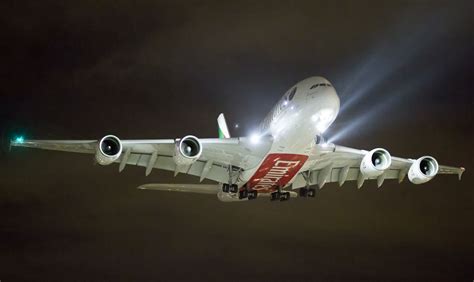
One of the most surprising forces shaping both engines was not thrust, fuel burn, or reliability. It was noise. Specifically, London Heathrow Airport.
Heathrow enforces some of the world’s strictest departure noise limits, particularly under the Quota Count 2 (QC2) rule that governs nighttime and early morning operations. For airlines planning global hub schedules, access to Heathrow was non-negotiable. An A380 that could not meet QC2 would be commercially crippled.
Late in the design process, Airbus realized that both engine proposals were too loud. The response was brutal and absolute. Both manufacturers were ordered back to the drawing board. Fan diameters grew to an immense 116 inches, increasing bypass ratios to nearly 9:1. Moving more air more slowly is the most effective way to reduce jet noise, but it comes at the cost of weight and structural complexity.
Rolls-Royce had to redesign its low-pressure turbine to drive the heavier fan. The Engine Alliance faced similar challenges, adjusting internal airflow paths and acoustic liners. The result was astonishing. The A380 became one of the quietest long-haul aircraft ever built, often registering lower departure noise than much smaller jets.
Pilots joked that the aircraft felt eerily subdued at takeoff. Airports quietly celebrated. The noise battle had been won not through regulation, but through engineering compliance at the extreme edge of feasibility.
Two Engines, Two Philosophies, One Wing
From a performance standpoint, the Trent 900 and GP7200 ended up remarkably close. Both delivered thrust ratings in the 75,000 to 80,000 pound range. Both achieved similar fuel efficiency. Both met the same brutal certification requirements.
Yet beneath the numbers lay different philosophies. Rolls-Royce emphasized modular efficiency and independent spool control. The Engine Alliance prioritized robustness and thermal efficiency rooted in GE’s large-core expertise. Airlines with existing Rolls-Royce fleets often favored commonality. Those aligned with GE or Pratt & Whitney infrastructure leaned the other way.
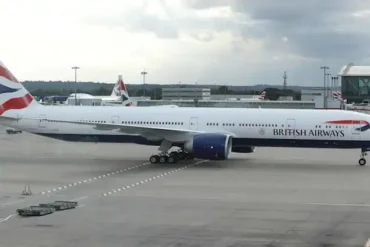
The market split reflected this. Singapore Airlines, Qantas, Lufthansa, and British Airways chose Rolls-Royce. Emirates, Air France, and Korean Air initially selected the GP7200. The rivalry was real, and it kept pricing aggressive throughout the A380’s production life.
Emirates and the Power of Choice
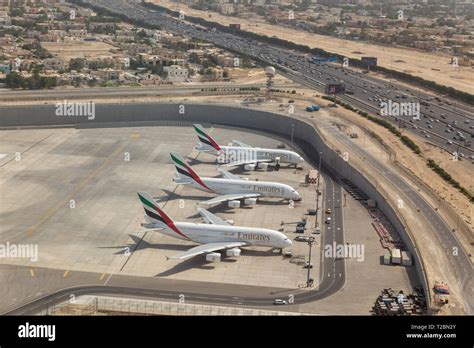
The ultimate proof of why Airbus allowed two engines arrived years later. Emirates, the A380’s largest customer by far, made a dramatic decision. After initially backing the Engine Alliance, the airline switched its final A380 orders to Rolls-Royce Trent 900s.
That move sent shockwaves through the industry. It demonstrated that engine choice gave airlines enormous negotiating leverage even late in a program’s life. Such leverage no longer exists on modern widebodies, where sole-source engines dominate. The A380, in this sense, was the last aircraft where airlines truly held the upper hand.
The End of the Quadjet Era, Not the End of the Technology
When A380 production ended in 2021, it marked more than the retirement of a giant. It closed the chapter on four-engine commercial aircraft as viable mainstream designs. Yet the engines themselves did not fade into obscurity.
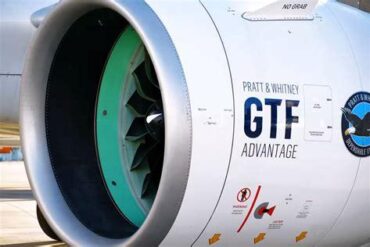
The Trent 900 directly informed the development of the Trent XWB, now the most efficient large turbofan in service. Lessons from the GP7200 influenced later engines such as the GEnx and even aspects of Pratt & Whitney’s Geared Turbofan philosophy. The A380’s engine war seeded technologies that power today’s most advanced aircraft.
The Airbus A380 has two different engine types because it was born at a crossroads. It emerged when physics demanded excess, when airlines demanded choice, and when noise rules demanded humility from raw power. Its engines are monuments to rivalry, cooperation, and compromise. Long after the superjumbo fades from the skies, the ideas forged beneath its wings continue to fly.