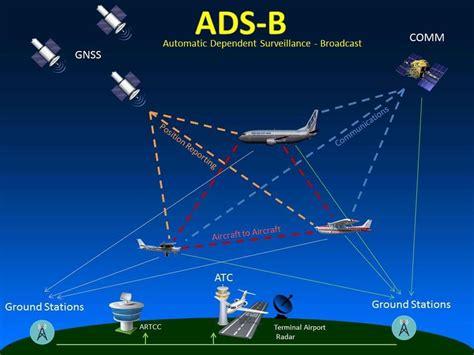
Automatic Dependent Surveillance-Broadcast (ADS-B) is an integral part of modern air traffic management systems. By providing real-time data regarding an aircraft’s position, velocity, and other relevant information, ADS-B improves the safety and efficiency of airspace operations. To facilitate the transmission and reception of ADS-B signals, various ground stations are utilized, each serving a specific purpose based on altitude and geographic location. In this article, we explore the four main types of ADS-B ground stations, highlighting their unique characteristics and how they contribute to the overall aviation ecosystem.
1. Surface ADS-B Ground Stations: The Foundation of Local Coverage
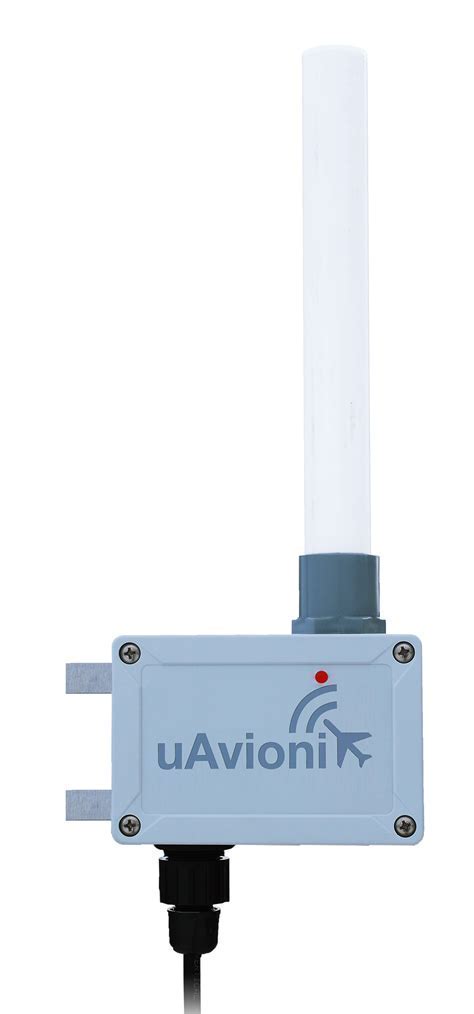
Surface ADS-B stations are the most basic and closest to the ground in terms of altitude. These stations are typically deployed in airports, helipads, or smaller airfields, where they provide localized coverage for aircraft operating near the surface of the earth.
These ground stations are designed primarily to track aircraft during takeoff, landing, and taxi operations. They transmit and receive ADS-B signals within a short range, generally up to 100 NM (nautical miles). This allows for high-precision tracking of aircraft as they maneuver on the ground or in the immediate vicinity of an airport.
Key Characteristics of Surface ADS-B Ground Stations:
- Coverage Range: Up to 100 NM
- Data Provided: METAR (weather reports), TAF (aviation forecasts), AIRMET, SIGMET, and PIREPs (pilot reports)
- Purpose: Ensuring situational awareness for air traffic controllers and improving safety during critical phases of flight like takeoff and landing.

2. Low Altitude ADS-B Ground Stations: Extending Coverage for Regional Flights
Low altitude ADS-B ground stations expand coverage beyond the immediate vicinity of airports to accommodate aircraft flying at altitudes typically between 1,000 to 10,000 feet. These stations are strategically located to cover regional airspace and enhance surveillance of aircraft flying at lower altitudes.
The coverage range of low altitude stations extends up to 250 NM, allowing for tracking of flights that are on approach or departure from regional airports or flying at altitudes where traditional radar might not have full visibility. These stations are critical for providing data on winds aloft, temperatures, and critical flight parameters, assisting pilots and air traffic controllers with planning and decision-making.
Key Characteristics of Low Altitude ADS-B Ground Stations:
- Coverage Range: Up to 250 NM
- Data Provided: METAR, TAF, AIRMET, SIGMET, PIREPs, and weather data like wind and temperature aloft
- Purpose: Enhancing situational awareness for regional flights, improving safety for lower altitude operations.
3. Medium Altitude ADS-B Ground Stations: Monitoring Flights at Higher Levels
Medium altitude ADS-B stations cover a broader region and are designed to monitor aircraft flying between 10,000 and 20,000 feet. These stations are often installed to monitor the transition between lower altitude regional operations and higher altitude en-route flights. The coverage of medium altitude stations can extend up to 375 NM, making them highly effective for providing coverage over wider geographic areas.
In addition to tracking aircraft at these intermediate altitudes, medium altitude stations also support enhanced weather data, such as regional NEXRAD (weather radar), and provide more detailed airspace information, including TAF (Terminal Aerodrome Forecasts) and AIRMETs (Aviation Weather Alerts). This data is essential for pilots flying through busy air corridors, where accurate weather and airspace information are crucial for safe flight operations.
Key Characteristics of Medium Altitude ADS-B Ground Stations:
- Coverage Range: Up to 375 NM
- Data Provided: METAR, TAF, AIRMET, SIGMET, PIREPs, NEXRAD imagery, and additional flight parameters
- Purpose: Facilitating efficient management of medium-altitude flight routes, improving navigation and safety.
4. High Altitude ADS-B Ground Stations: The Backbone of Long-Distance Surveillance
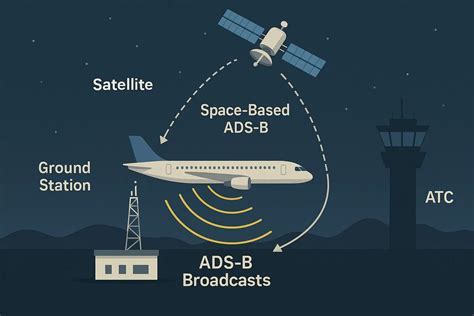
High altitude ADS-B stations provide the most expansive coverage, tracking aircraft flying at altitudes above 20,000 feet. These stations are vital for monitoring aircraft in cruise flight across vast airspaces, often covering entire countries or even large regions such as the continental United States.
The coverage range of high altitude ADS-B ground stations can extend up to 1,000 NM. This allows for continuous monitoring of aircraft at cruising altitudes, ensuring safety and providing essential information for long-distance flights. These stations are equipped to transmit and receive detailed information on various weather conditions, including winds aloft, temperature readings, and AIRMETs (aviation weather alerts), as well as the full array of METAR and TAF data.
These stations are also equipped to handle complex airspace management, helping to avoid conflicts in high-density air routes and providing essential surveillance in remote regions.
Key Characteristics of High Altitude ADS-B Ground Stations:
- Coverage Range: Up to 1,000 NM
- Data Provided: METAR, TAF, AIRMET, SIGMET, PIREPs, NEXRAD imagery, winds and temperatures aloft
- Purpose: Ensuring global flight surveillance and facilitating air traffic management across large distances.
How ADS-B Stations Interact with Portable Receivers
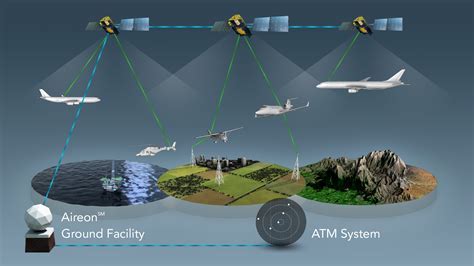
The interaction between ADS-B ground stations and portable receivers, such as the Stratus portable receiver, is crucial for providing real-time situational awareness to pilots. These devices collect ADS-B signals from ground stations, providing pilots with detailed weather information, traffic advisories, and alerts.
Each ground station type provides different levels of information based on the altitude at which it is situated. For example, pilots using a Stratus portable receiver will experience different data ranges and accuracy depending on whether they are flying in low, medium, or high altitude airspace. This integration is vital for pilots flying in non-radar airspace, as it allows for real-time updates and enhances their ability to navigate safely.
Conclusion
Understanding the various types of ADS-B ground stations is essential for aviation professionals, as each station type plays a unique role in monitoring and tracking aircraft at different altitudes. From surface-level operations at airports to high-altitude surveillance for long-distance flights, ADS-B ground stations provide a critical layer of safety and situational awareness across all phases of flight.
As technology continues to evolve, the role of ADS-B systems and their integration with portable receivers will only become more advanced, further enhancing the safety and efficiency of airspace operations. Whether for commercial pilots, air traffic controllers, or private aviators, ADS-B ground stations are an indispensable component of modern aviation infrastructure.