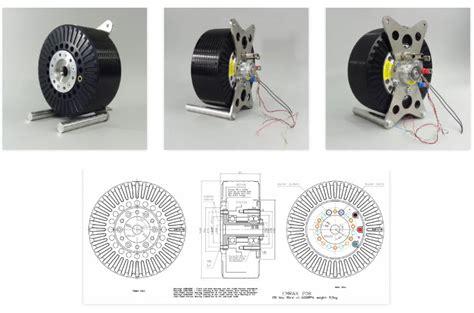
Electric motors play a crucial role in the evolution of the electric vehicle (EV) market, and among the most innovative names in this field is EMRAX. Known for their high performance and reliability, EMRAX electric motors are a popular choice for both custom EV builders and motorsport enthusiasts, especially in competitions like Formula SAE (FSAE). However, the cost of these motors can be a challenge for teams with limited budgets, leading many to explore alternatives. In this article, we will delve into the EMRAX motors, their performance capabilities, their cost implications, and why they might be the ideal choice for your EV project.
What Makes EMRAX Motors Stand Out?
EMRAX is known for producing high-efficiency electric motors that deliver exceptional performance for both commercial and motorsport applications. Their motors are specifically designed to meet the demanding needs of electric propulsion systems, offering a blend of power, reliability, and ease of integration.
Some of the standout features of EMRAX electric motors include:
- High Power Density: EMRAX motors are designed to deliver impressive power output relative to their size, making them suitable for applications where space and weight are crucial.
- Efficiency: EMRAX motors are highly efficient, meaning they extract maximum power from the energy stored in the battery, resulting in longer range and better performance in racing scenarios.
- Lightweight Construction: Despite their high power output, these motors are lightweight, which is particularly beneficial in motorsport and custom EV builds where weight distribution is critical.
- Durability: Built to withstand high-speed operations and extreme temperatures, EMRAX motors are known for their longevity and reliability, even under strenuous conditions.
The Cost of EMRAX Motors: Is It Worth the Investment?
One of the primary concerns for teams and individuals considering an EMRAX electric motor is the price. The motors, while offering cutting-edge performance, can be relatively expensive, particularly for teams working with tight budgets. For example, a new EMRAX 228 motor can cost around $4000, with additional costs for the necessary controllers and other components.
While the price point may seem steep, it’s essential to recognize the value that these motors offer. The EMRAX 228 motor, for instance, provides high torque and power, which is essential for achieving competitive performance in EV racing and custom builds. The motor is lightweight and compact, meaning it can be used in various applications without compromising on space or weight distribution.
For teams with more limited funds, it may be worthwhile to consider used EMRAX motors. Used motors can often be found through motorsport communities or specialized suppliers, and purchasing a used unit can significantly reduce the overall cost. The Emrax 228 motor and its associated controller can sometimes be found in the $4000 range, but this is still a significant investment for many smaller teams.
Is a Used EMRAX Motor a Viable Option?
For teams trying to balance performance and budget, purchasing a used EMRAX motor could be an excellent compromise. Used motors typically come at a fraction of the price of new ones and, if sourced carefully, can still provide outstanding performance. However, it’s essential to inspect used motors thoroughly for any potential issues, such as wear and tear or overheating problems.
Some teams have successfully purchased used EMRAX motors and paired them with aftermarket controllers to create a cost-effective yet powerful propulsion system. The Emrax 228, for example, is an excellent option due to its moderate pricing and solid performance. The controller setup is equally crucial, as pairing the motor with an optimized controller ensures that the motor operates within safe thermal limits and provides maximum power without risking damage.
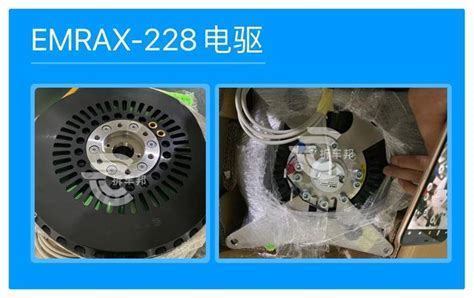
EMRAX 228 vs. Alternatives: A Performance Comparison
While the EMRAX 228 is widely regarded as one of the top choices for EV enthusiasts and motorsport teams, several alternative motors are often considered, particularly for those on a more restrictive budget. One such example is the ME1616 motor, which is another brushless motor often found in custom EV projects. In terms of performance, the ME1616 motor has a lower peak power output, rated at 55 kW peak and 20 kW continuous, but it offers good value for the cost.
Comparing the EMRAX 228 and ME1616, there are several key differences:
- Power Output: The EMRAX 228 offers a higher peak power output, making it more suitable for high-performance applications where acceleration and speed are crucial.
- Weight: The EMRAX 228 is relatively lightweight at just 28 pounds, which is an advantage for racing teams where every pound matters. In contrast, the ME1616 is heavier, potentially affecting overall vehicle dynamics.
- Cost: The EMRAX 228 is more expensive, typically around $4000, while the ME1616 can be found for around $2500, making it a more affordable option.
Cost-Effective Alternatives to EMRAX Motors
For teams with a tight budget, it is possible to find other viable alternatives to the EMRAX 228 without compromising too much on performance. Some motors like the ME1616 or Sevcon controllers offer a good balance of price and performance. However, these motors may require careful tuning to ensure that they do not overheat under heavy use, as their power output is generally lower than that of the EMRAX motors.
The Role of the Controller in Motor Performance
Regardless of the motor chosen, pairing it with the right controller is essential for achieving optimal performance. Controllers help manage the power flow between the motor and the battery, ensuring that the motor operates efficiently and safely. A high-quality controller will ensure smooth power delivery and prevent thermal overload, which is especially important when dealing with high-performance motors like the EMRAX 228.
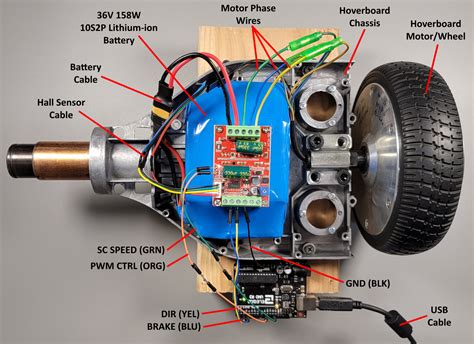
When selecting a controller, it’s essential to choose one that is compatible with the motor’s specifications. For instance, the EMRAX 228 typically requires a controller that can handle its peak power output and is optimized for performance in high-demand situations, such as racing.
Conclusion: EMRAX Motors as a Strategic Choice for EV Builders
In conclusion, EMRAX electric motors are a high-performance option for teams and enthusiasts looking to build or race electric vehicles. While they come with a higher price tag, their advanced features, power output, and efficiency make them a solid investment for serious projects. For those on a budget, considering used EMRAX motors or exploring alternatives like the ME1616 motor may be a good way to balance performance and cost. Ultimately, selecting the right motor depends on the specific needs and goals of the project, but there is no denying the EMRAX motor’s standing as a top-tier choice for electric vehicle propulsion.