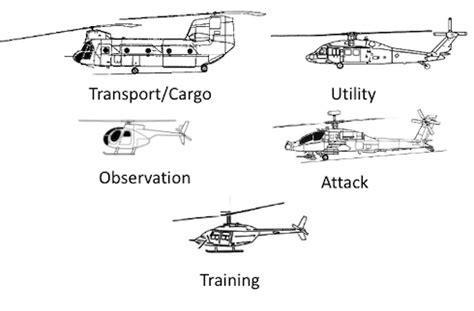
Military helicopters in 2025 remain the backbone of modern warfare, humanitarian operations, and homeland security. With precision targeting, heavy-lift capacity, stealth integration, and multi-domain flexibility, these rotorcraft continue to define aerial dominance. We explore the eight key types of military helicopters in operational use, with detailed insight into their roles, systems, and real-world applications.
Attack Helicopters: Precision in Combat
Attack helicopters are engineered for frontline firepower. These agile and lethal machines deliver close air support, strike enemy armor, and suppress defenses with unmatched precision. The 2025 landscape showcases formidable platforms:
The Apache AH-64 leads with its tandem cockpit, 30mm M230 chain gun, and Longbow radar. Built for night combat and extreme weather, it remains the U.S. Army’s primary attack asset. Meanwhile, the AH-1W Super Cobra pioneered dual-missile integration, becoming central to the Marine Air-Ground Task Force. Its successor, the AH-1Z Viper, features a four-blade rotor, glass cockpit, and targeting systems integrated via HMI interfaces, delivering improved accuracy with reduced pilot workload.
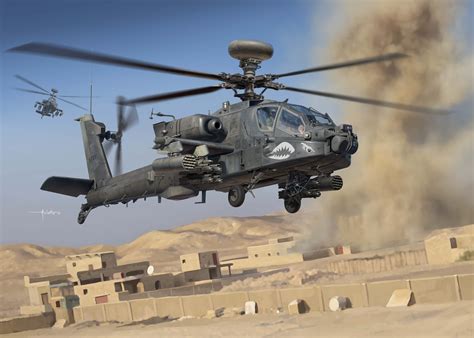
These helicopters utilize Hellfire missiles, Hydra rocket pods, and modern EO/IR sensors for varied threats. Their battlefield agility is essential in high-intensity zones, enabling commanders to project lethal force rapidly.
Transport Helicopters: Heavy Lift and Strategic Mobility
Transport helicopters provide the military with vital vertical logistics. Designed for strategic and tactical movement, they carry troops, artillery, and vehicles directly to the front lines.
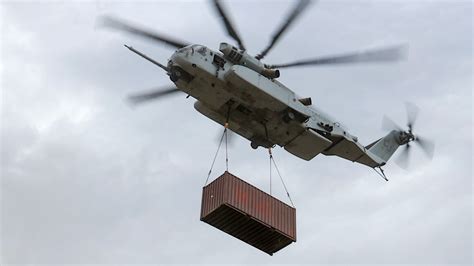
The Sikorsky CH-53K King Stallion stands as a behemoth in this class. With a 12-ton external payload, enlarged cabin, and automated fly-by-wire systems, it supports armored deployments with fewer sorties. The CH-53E Super Stallion, with its iconic seven-blade rotor, continues to provide unmatched lift for the U.S. Marine Corps.
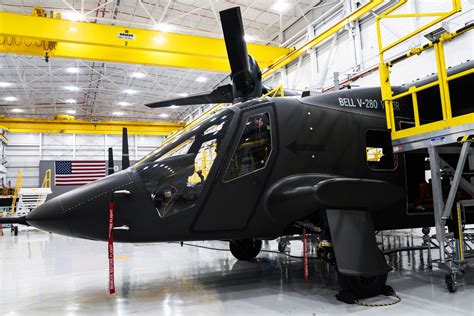
Bell’s V-280 Valor, a tiltrotor aircraft, represents the future of battlefield mobility. With cruise speeds of 280 knots and a 2,100-nautical mile range, it merges vertical takeoff with fixed-wing efficiency.
Transport helicopters reduce battlefield exposure by enabling rapid extraction and deployment — crucial in today’s fast-paced conflict environments.
Observation Helicopters: Eyes of the Battlefield
Reconnaissance is critical, and observation helicopters are the watchful eyes over hostile terrain. Equipped with sensors, IR cameras, and laser rangefinders, they scout, surveil, and direct fire support.
The MH-6 Little Bird, compact and modular, supports urban insertion with NVG and HUD-equipped cockpits. Historically, the Bell H-13 Sioux introduced bubble-canopy reconnaissance with battlefield medevac. More advanced, the OH-58 Kiowa Warrior integrates mast-mounted sighting systems, enabling it to acquire targets without full exposure.
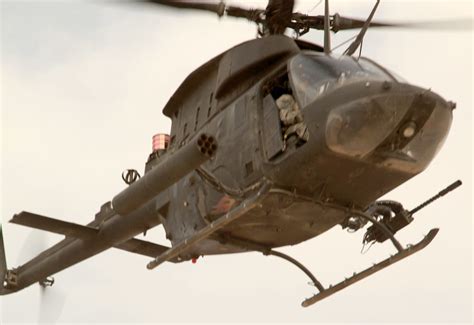
These helicopters facilitate real-time intelligence, help manage artillery guidance, and ensure troops avoid ambushes or IED zones. Their agility and tech-driven situational awareness are indispensable in asymmetric warfare.
Utility Helicopters: Versatility in Every Mission
Utility helicopters bridge support and operational roles, performing everything from troop transport to aerial firefighting and casualty evacuation.
The UH-60 Black Hawk, perhaps the most recognizable, offers internal and sling-load capacities for mission-critical supplies. Its modular weapons stations, armored seats, and FLIR sensors make it ideal for frontline supply and medevac under fire. The UH-1Y Venom, derived from the iconic Huey, delivers 50% increased range and payload with twin GE T700 engines and advanced cockpit integration.
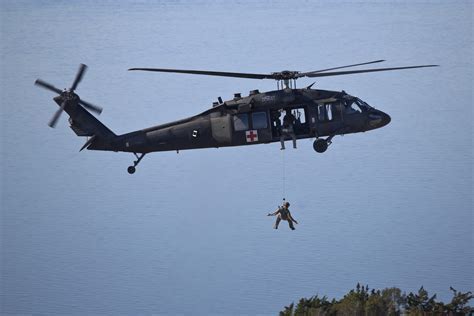
Supporting everything from humanitarian drops to special ops insertion, these helicopters form the connective tissue of military aviation operations.
Maritime Helicopters: Sea-Based Versatility
Operating in corrosive saltwater environments demands specialized rotorcraft. Maritime helicopters are reinforced for deck landings, ASW (Anti-Submarine Warfare), and SAR (Search and Rescue) at sea.
The MH-60R Seahawk is the U.S. Navy’s workhorse for both surface and subsurface warfare. Equipped with dipping sonar, sonobuoys, and torpedoes, it can identify and eliminate submerged threats. The AW101 Merlin, jointly operated by NATO nations, supports ship-to-shore movement, VIP transport, and rescue operations.
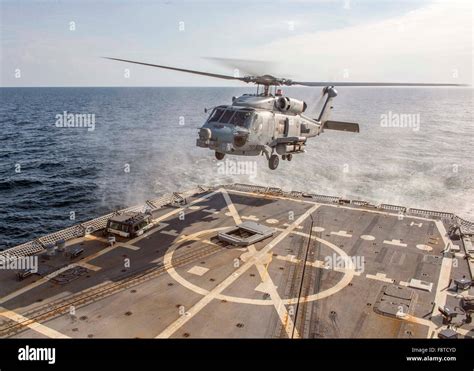
Legacy platforms like the Sikorsky SH-3 Sea King remain in limited service, notable for their autonomous navigation and robust sonar integration.
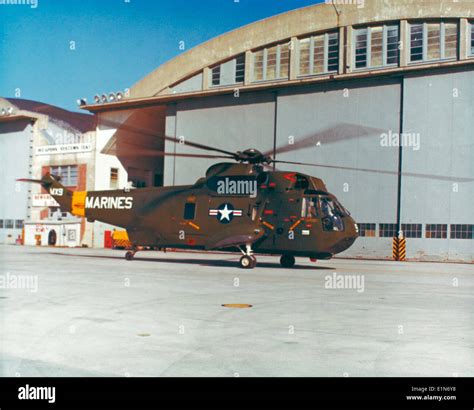
Maritime helicopters extend naval presence, enabling strategic reach far beyond the coastline.
Multi-Role Helicopters: Mission Flexibility in One Frame
Multi-role helicopters consolidate capabilities across combat, transport, and reconnaissance. Their adaptability reduces operational costs and improves field sustainability.
The UH-72A Lakota offers domestic medevac and disaster response, supporting National Guard and Homeland Security roles with minimal footprint. The MH-60 Jayhawk, built on the Black Hawk airframe, serves the U.S. Coast Guard with long-range SAR, environmental enforcement, and maritime patrol.
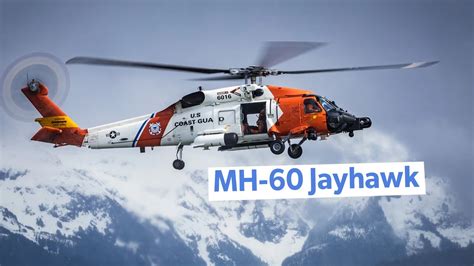
The groundbreaking V-22 Osprey merges vertical lift with turboprop performance. Its tilting nacelles permit both VTOL and high-altitude cruise, making it ideal for special ops and marine rapid insertion.
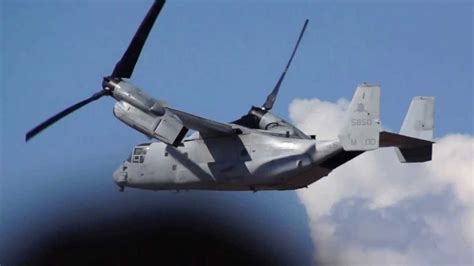
These platforms allow commanders to deploy one airframe across many missions, optimizing readiness and logistics.
Search and Rescue Helicopters: Saving Lives in Extreme Conditions
SAR helicopters combine speed, endurance, and onboard medical capabilities. They operate in combat zones, offshore disasters, and remote terrain.
The HH-60G Pave Hawk integrates advanced avionics, FLIR targeting, and terrain-following radar for low-level night recovery.
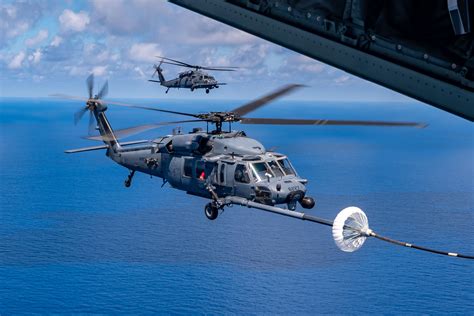
The MH-65 Dolphin, frequently seen in Coast Guard rescue missions, features robust airframe upgrades under the MH-65E sustainment program.
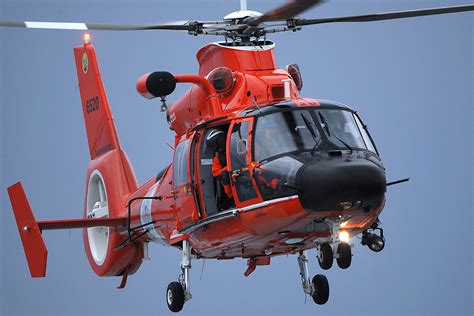
These helicopters play a vital humanitarian role while serving in highly dangerous conditions, often under fire or in violent weather systems.
Training Helicopters: Building Future Aviators
Training platforms focus on flight fundamentals, safety protocols, and maneuver tactics. Designed with dual controls, simplified avionics, and high visibility, they form the bedrock of military aviation education.
The Bell TH-67 Creek, powered by the Rolls-Royce 250 engine, served for decades as the Army’s primary flight trainer. The Eurocopter EC635, with Fenestron tail rotors, offers low acoustic signature and high maneuverability for pilot proficiency. The TH-57 Sea Ranger, still widely used by the Navy, enables formation flight, instrument navigation, and SAR training.
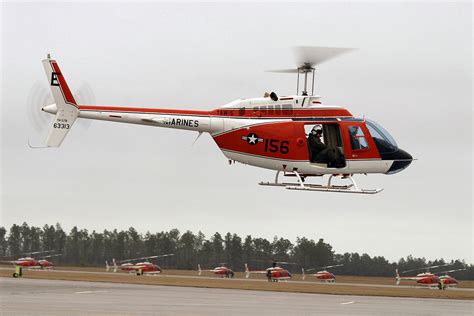
These aircraft ensure new pilots can safely transition to front-line helicopters with confidence and technical fluency.
Advanced Helicopter Technologies in 2025
Across all roles, military helicopters in 2025 benefit from cutting-edge technologies:
- Avionics: Enhanced glass cockpits, touchscreen interfaces, and integrated mission systems support faster decision-making.
- Weapon Systems: Guided rockets, laser-targeting pods, and EO/IR turrets improve strike accuracy.
- Survivability: Composite fuselages, IR suppression, and electronic warfare suites extend mission life in high-risk zones.
- Propulsion & Rotor Systems: Advanced turboshaft engines and composite rotor blades reduce vibration and increase fuel efficiency, enabling longer and safer missions.
Together, these innovations ensure that rotary-wing platforms remain indispensable in both peacetime and combat theaters.
Conclusion: Military Helicopters in 2025 and Beyond
Military helicopters in 2025 continue to define the vertical dimension of warfare and emergency response. From the lethal efficiency of attack gunships to the life-saving missions of SAR units, these eight types exemplify technological evolution and mission-driven design. Their presence on every continent underscores their strategic importance in both war and peace. As aerial threats and operational demands grow more complex, we can expect future iterations of these helicopters to push boundaries even further.